Category: Need to know
-
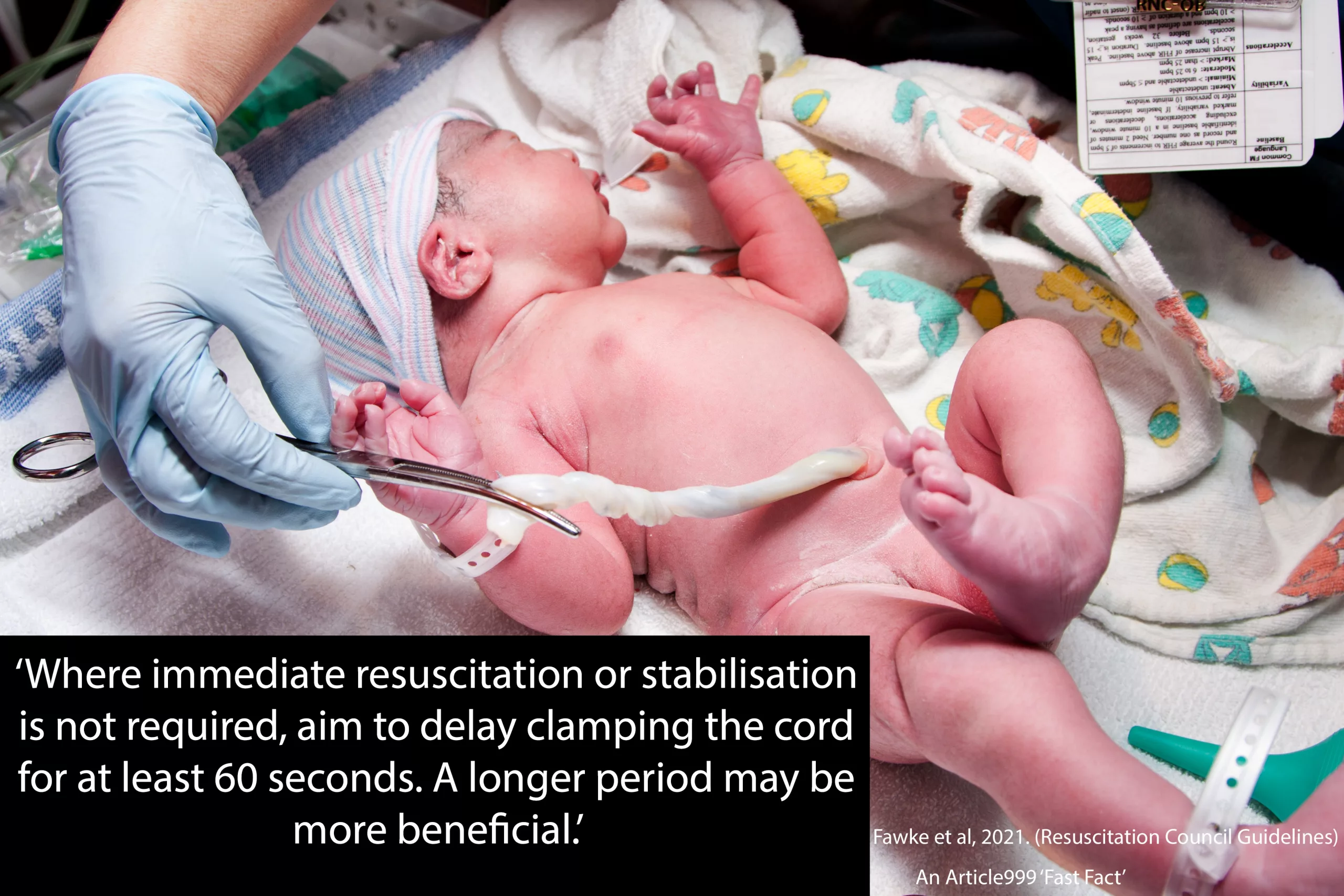
Medics: Should We Delay Cord Clamping? How Long?
Photo containing quote from Resus Council about delayed cord clamping. -
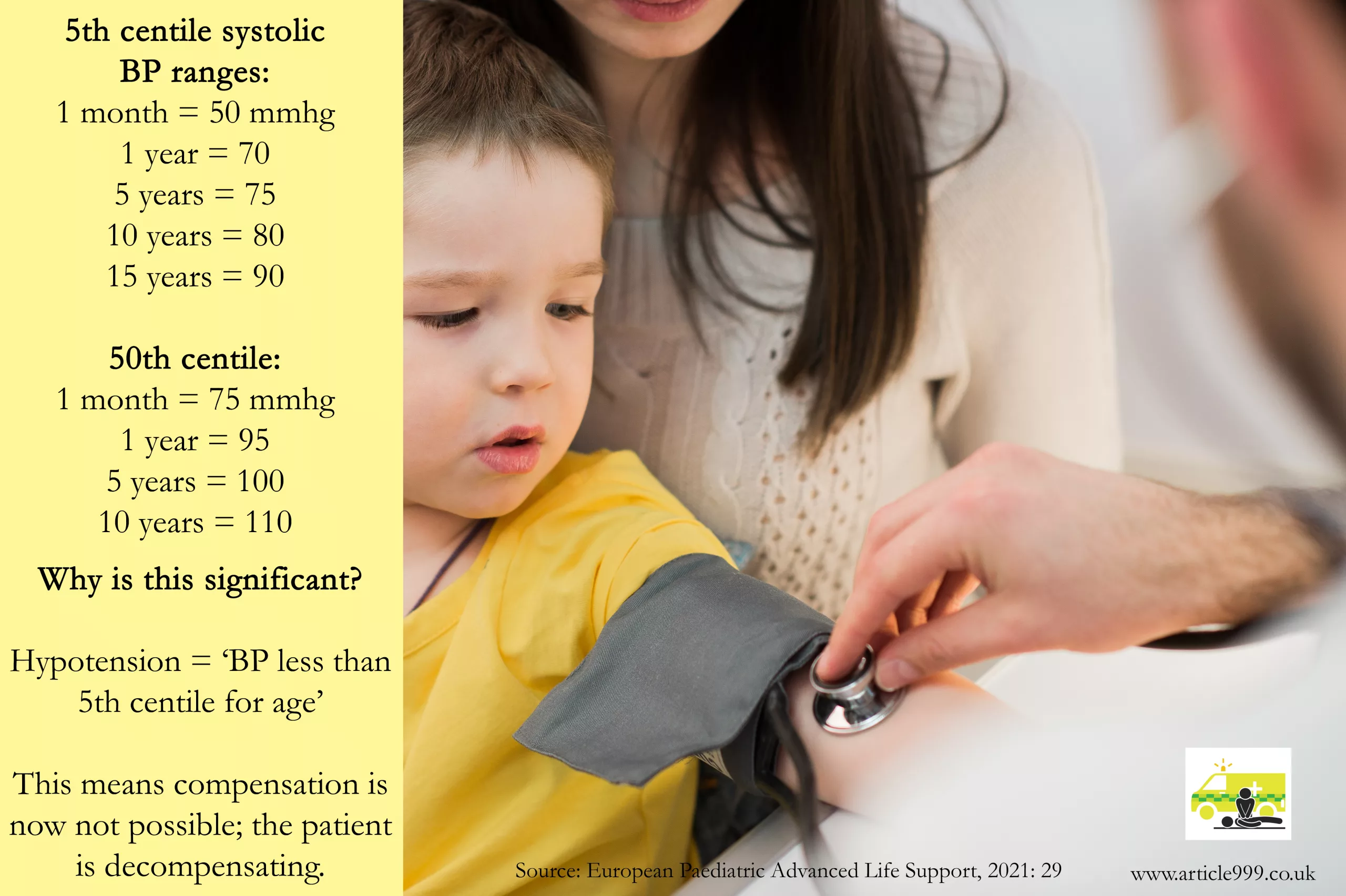
The Decompensating Child: Blood Pressure Ranges to Watch
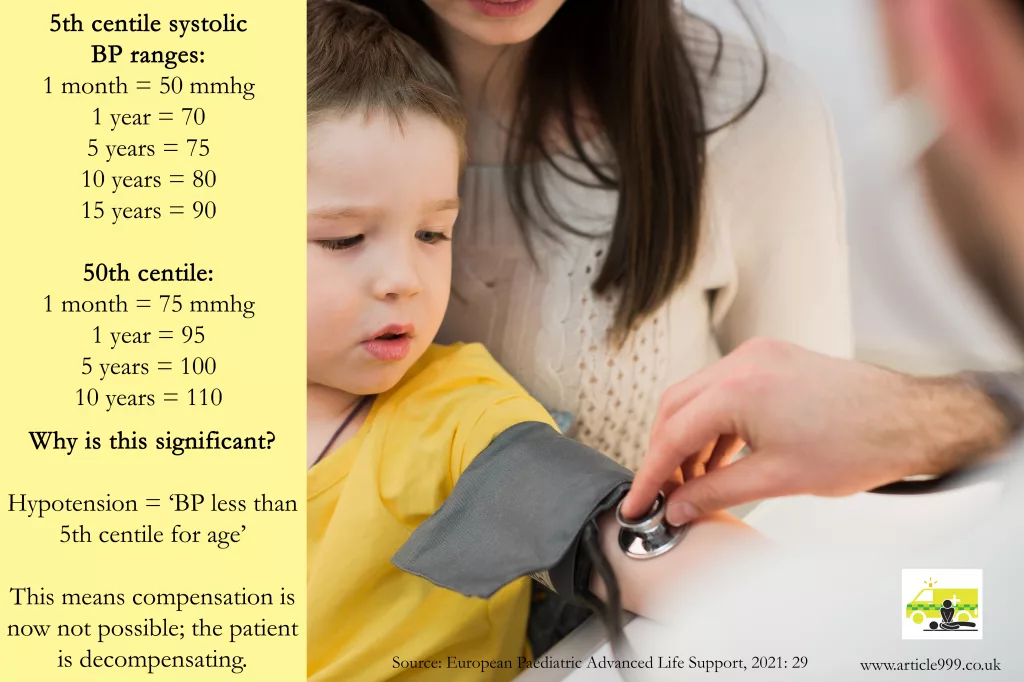
Image showing the 5th and 50th centile blood pressure ranges for children from 1 month-15 years. -
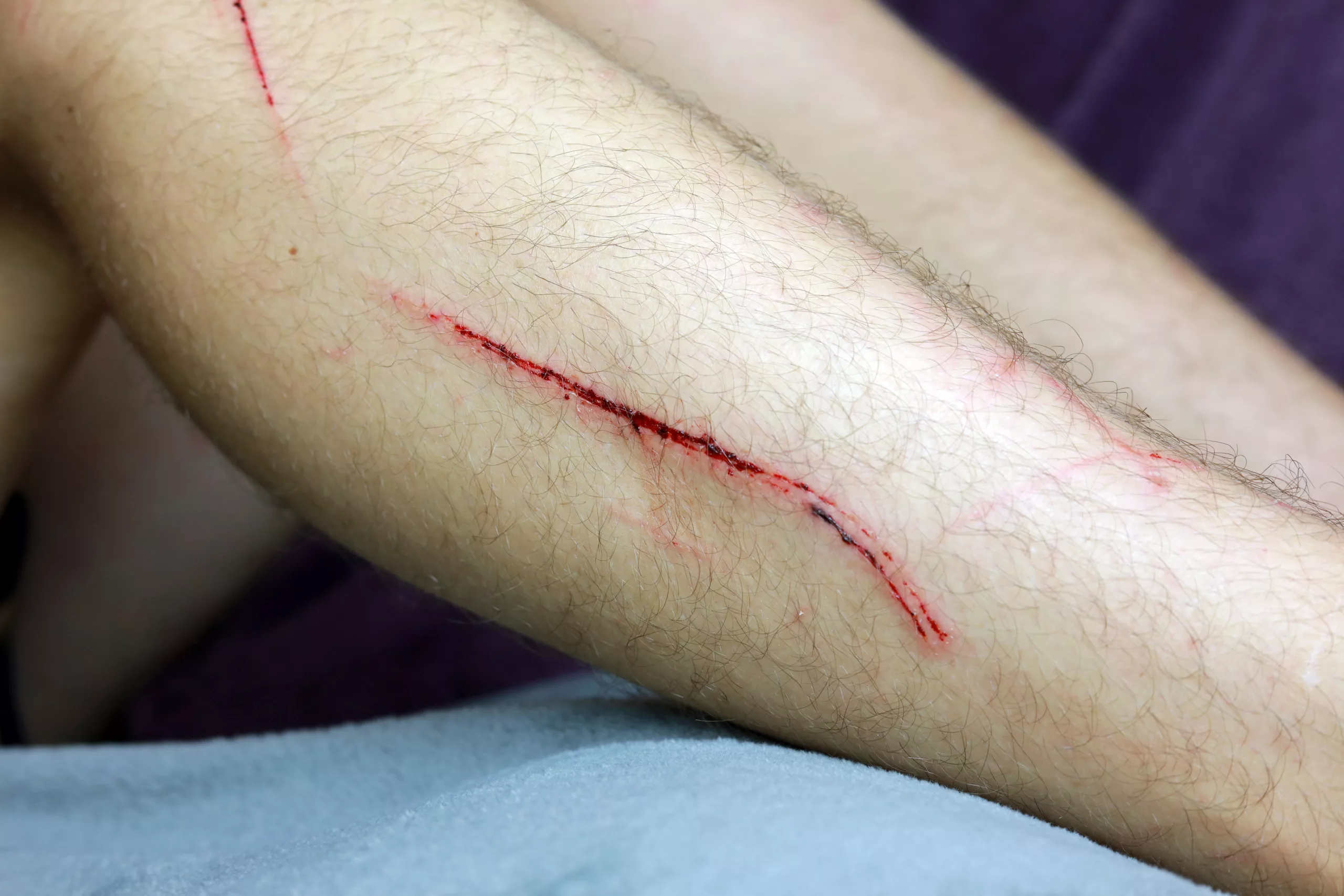
Lacerations – Criteria to Inform Referral Needs in Stable Patients
In your stable patients with lacerations, who do not have any urgent or troublesome A-D problems and who have not sustained injury through any great mechanism, what else should you be looking for in your assessment of their injury? What are the risk factors, according to different guidelines or authors?
While some of these elements may not be enough to refer a patient to secondary care on their own, they should help to increase your risk assessment during safe discharges. In combination, many of these factors should raise flags.
Depth Size Risk Factors Area There is limited evidence regarding the depth of wounds. The emphasis is on the structures that deep wounds would impact. For example, vascular damage, and nerve, tendon, or bony injuries (NICE, 2021). More than 5cm (NICE, 2021). Two or more of:
– Malaise
– Fever
– Rigors
– Contamination of site with body fluids, soil, faeces, or/and pus.
– Patient older than 65 years
– Diabetes
– Jagged wound edges
– Signs of tetanus
(NICE, 2021)Any of:
– Face
– Palm – and there is a potential infection.
– Joint with cellulitis.
(NICE, 2021).Contamination from unknown object (e.g. knife/glass) (NICE, 2021). Presence of necrotic tissue or slough, which could delay healing. Granulation tissue can also delay wound healing, but all can be prevented with appropriate dressings (Wilson, 2012: 11). Wounds older than 24 hours (Newman and Mahdy, 2021). Bites (Newman and Mahdy, 2021). Lacerations: A Collection of Risk Factors and Specific Criteria to Inform Referral Needs in Stable Patients. Have you found more, or would you like to add some from your own experience? Add these in the comments below, and let us know what you think about this post.
References
Newman, R.K. and Mahdy, H. (2021) ‘Laceration’, Treasure Island. Available at: https://www.ncbi.nlm.nih.gov/books/NBK545166/ (Accessed 18/11/2021)
NICE. (2021). Lacerations. Available at: https://cks.nice.org.uk/topics/lacerations/ (Accessed 18/11/2021).
Wilson, M. (2012) ‘Understanding the basics of wound assessment’. Wounds Essentials. 2. Pp. 8-12. Available at: https://www.wounds-uk.com/resources/details/wound-essentials-72-understanding-the-basics-of-wound-assessment (Accessed 28/12/2021).
-
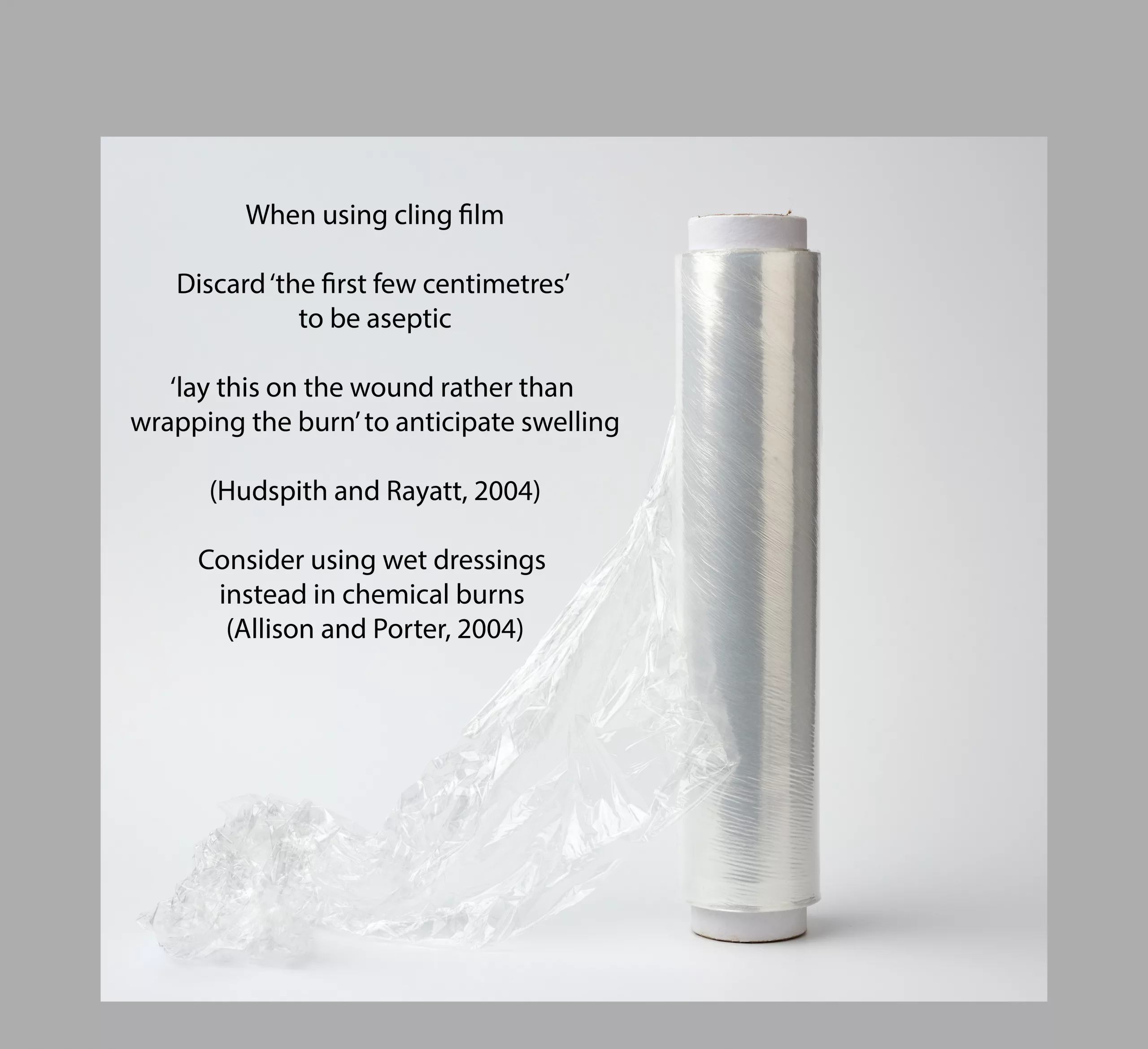
How to Use Cling Film to Treat Burns (Fast Fact)
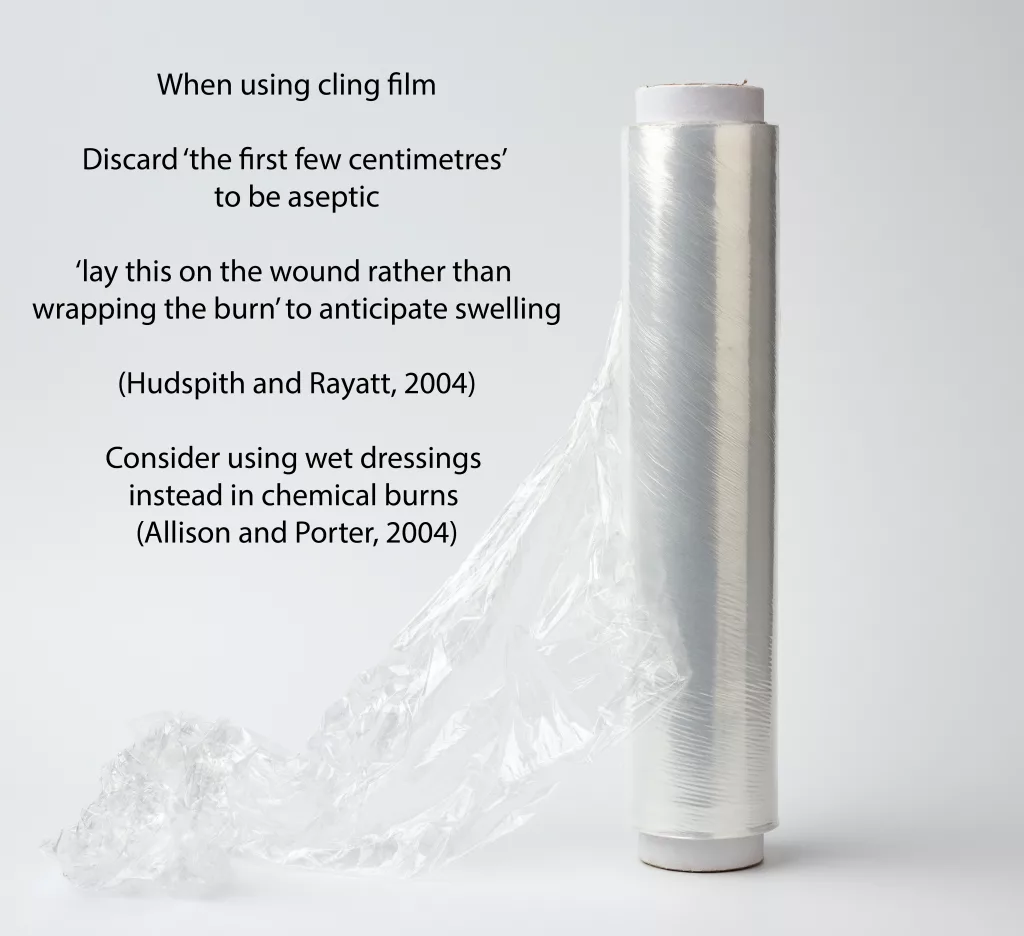
Fast Fact posts are designed to provide quick and easy ways to revise key topics – view a photo with a quote/fact by simply scrolling through the category. Refresh yourself during those middle-of-the-night breaks when you would have aimlessly scrolled through your phone. There is no need to read a lengthy post to do a little CPD. For more fast facts, head here.
-

Short Skills Video – What Happens When We Squeeze the BVM too Hard and Fast?
Full reference available at Article 999’s reference library here: https://airtable.com/appaQWBYHEs4Y6RjF/tblatVkrBMGBMdpRM/viwMSEJkOai9GwYS4/recFg1GuvEjKQZN9f?blocks=hide
-
Interpreting the Acid-Base Balance Using Tic Tac Toe (0s and Xs)
This information is taken from an excellent video by Radiometer, shown here:
Put Simply:
To interpret the acid-base blood gas results, you first need to know what normal levels are – and be careful, because there are international variations in what units we use, and you may also find slight variations in results. You also need to know what a high figure means vs a low figure – is this acidemia, or alkalemia? Let’s help you out:
Your normal levels are:
Ph = 7.35-7.45
Pc02 = 4.7-6.0 kPa
Hc03 = 22-26 mmol L
Which way is acid, and which way is alkaline?

You might notice that respiratory acidosis and respiratory alkalosis are in bold. That is to highlight the fact that these are opposite to the other parameters – a high pC02 = acidotic. A low pC02 – alkalosis. One simple way to remember this is to try to spell ‘opp’ (opposite) backwards, using the other parameters. To enable you to do this, you’re only allowed to swap one C for a P. Go ahead, try it.
For pH, you obviously can’t do this.
For HC03, you still can’t: Even if you change the C to a P, you still have an H in the way.
For pc02, you can swap the C for a P and you can spell: 0PP backwards… That’s the parameter that is opposite to the others!
How to Use Tic-Tac-Toe (0s and Xs)
First, draw a tic-tac-toe table like so.
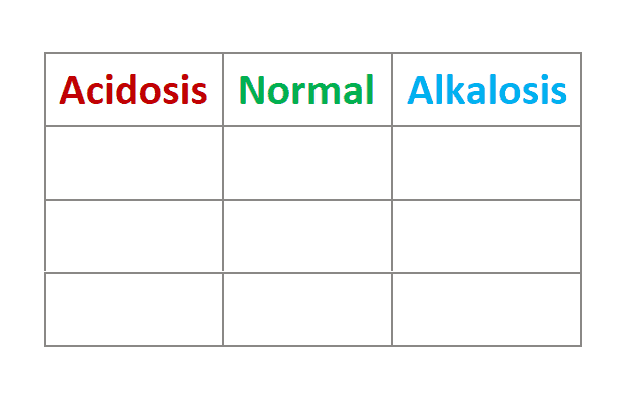
Next, put your pH into the acidosis, normal, or alkalosis column:
Acidosis Normal Alkalosis pH 7.12 Next, put your HC03 or pC02 into the corresponding column. In this case, it’s the pC02:
Acidosis Normal Alkalosis pH 7.12 pC02 13.9 It only takes 3 in a row for tic-tac-toe, and that includes the title, so you have an acidosis here. Because we are looking at the respiratory component (pC02), this is a respiratory acidosis.
But we keep looking because we want to know if the body is trying to compensate. If it is, the opposite component – in this case, the metabolic component, HC03 – will be going in the opposite direction to the general trend. In this case, the general trend is respiratory acidosis, so we’re looking to see if the metabolic component is alkalotic. If there is no compensation, it will be in the normal range.
Acidosis Normal Alkalosis pH 7.12 pC02 12 HC03 33 And it’s above the reference range, so there is partial compensation here. But it’s only partial compensation because the pH isn’t normal.
Acidosis Normal Alkalosis pH 7.36 pC02 11 HC03 33 This is now fully compensated. We know it was probably respiratory acidosis before because a) we have the luxury of repeat blood gas results, and b) the pH is only just normal; in fact, it’s heading towards acidosis. We need to keep monitoring to see if this continues to normalise or if it heads in the wrong direction.
You can use tic-tac-toe to identify respiratory or metabolic alkalosis or acidosis, mixed alkaloses/acidoses, and partial and full compensation. Don’t forget to look at other parameters as well though – more on those soon.
References
For this post, the video above, and:
Thompson, D. A. 2007. Blood Gases Made Simple, Easy, and Quick. Lulu Press.
-

What Does NICE Say About Epilepsy? The Video
The guidelines, summarised, and made relevant for Paramedics (anything irrelevant is not included):
The full guidelines:
(full reference in video)
*update 28/02/22 – music volume reduced to ensure voiceover is clearer
-
The ‘C’ of Burns – Do Your ECGs
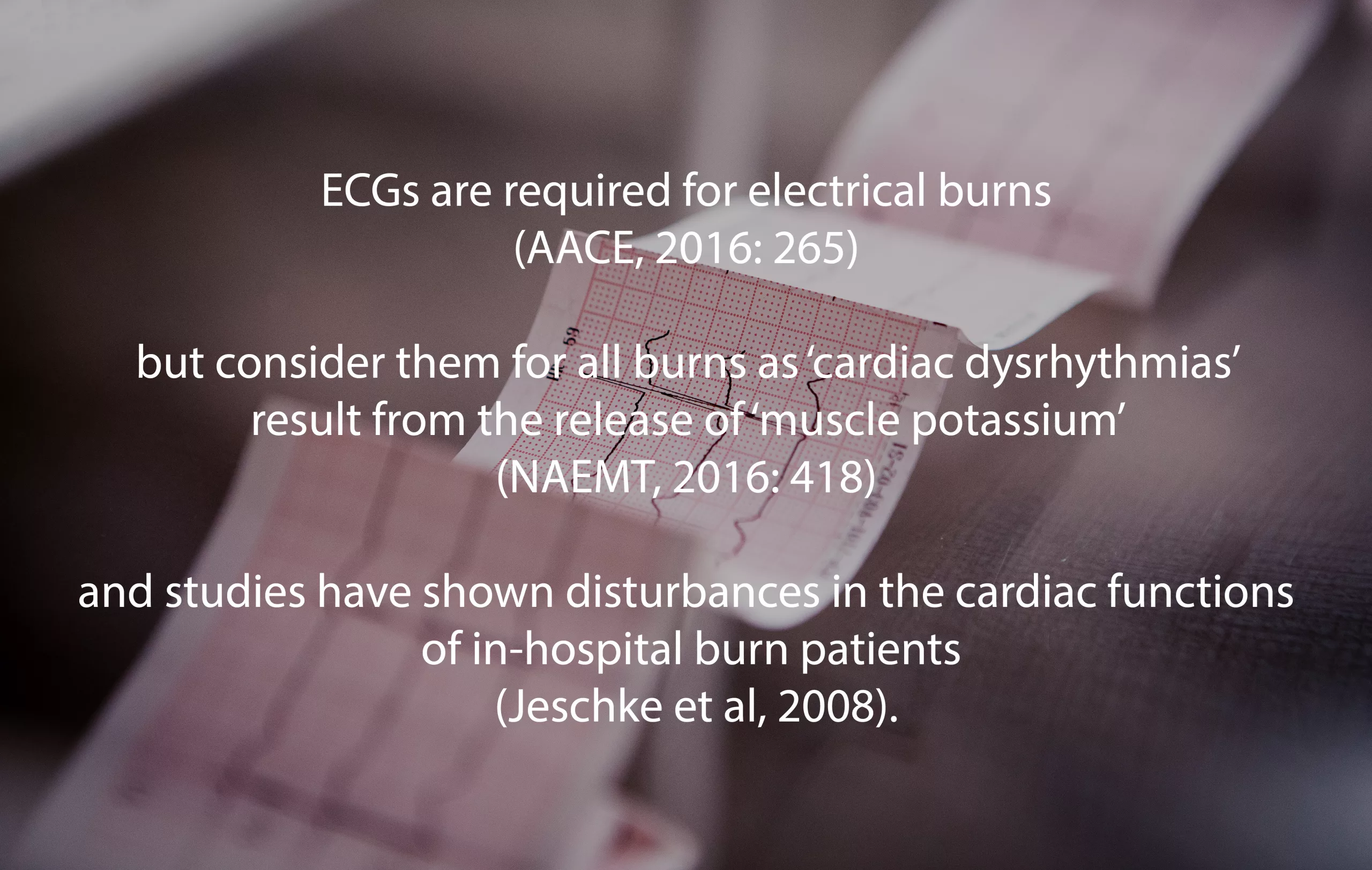
This is a fast fact based on the full post: Burns: The Practical Stuff. Full reference available there.