Want to give Article 999’s CPD templates a go? You’ll need a free Article 999 membership, and a free Airtable account. Find out everything you need to know here.
Update: the end of the video suggests that no feedback was received – this is what is indicated in the confirmation email from the HCPC. However, a PDF is downloadable from within my account, which shows the questions the assessors have had to answer. These questions are directly related to the standards of CPD, and the answers reflect elements of my submission – there are brief comments relating to specific courses I have done, explaining how and why these have met the standards in the words of the assessor(s). Given that three of the four comments relate to courses I have completed, I would definitely recommend completing (and reflecting on) courses within your registration period. The course certificates can form part of your evidence, as long as you then refer to them in sufficient length in your statement of how you have met the standards.
What is collaborative CPD? Well, it’s a way of tagging your crewmates/colleagues in specific CPD entries such as reflections on jobs, and then asking your crewmates/colleagues to answer some questions and provide some feedback on your communication and clinical management. You can then use this feedback as prompts to write – or expand – your reflective entries. Or you can export their feedback and add it to your portfolio as evidence of feedback. And your crewmates/colleagues can sync the shared CPD to their portfolios to evidence their own feedback or to prompt or expand on their own reflections. Watch the video for more:
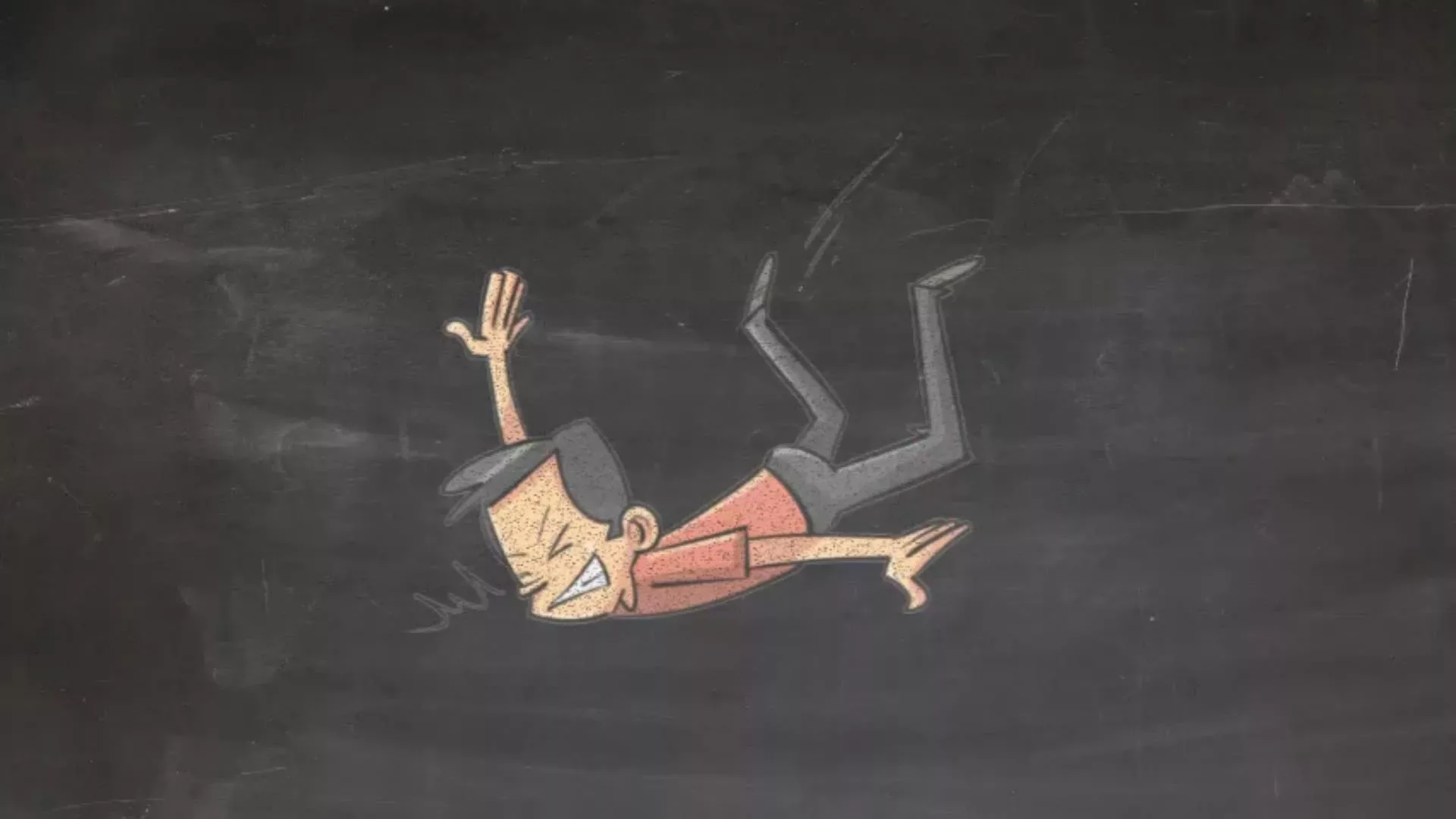
What to Do If You Fall (Adults Under 65) – When to Call for Help
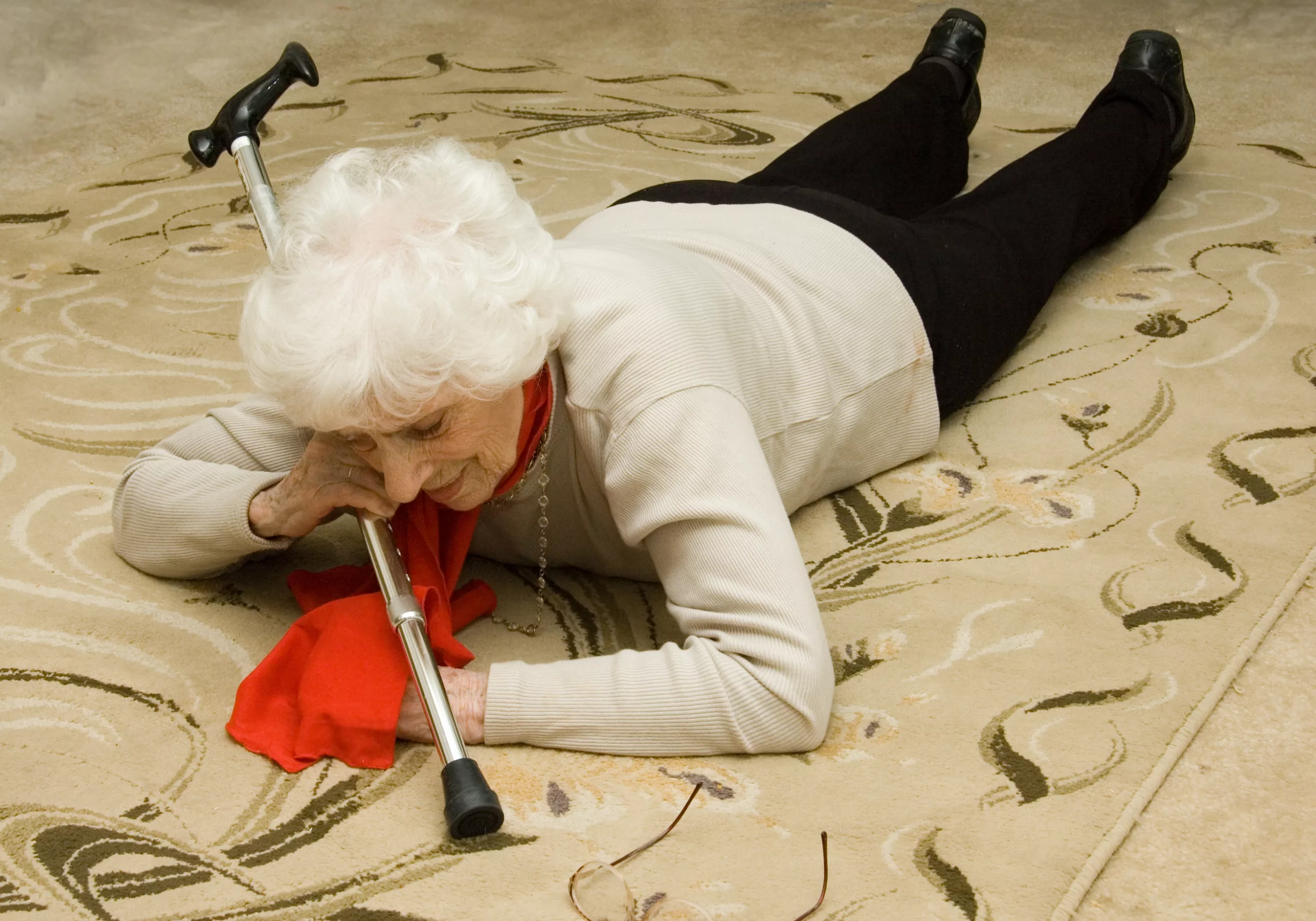
What to do if you fall (adults under 65) and you are not hurt.
More
Adults under 65 who fall regularly may be interested in watching Article 999’s video about when to let your Doctor know about your falls. This is available on the over-65s page but please don’t be offended – the reasons to let your Doctor know will still be applicable.
[tabby title=”For Patients”]
Transcript
*Full references at end of page
If you have fallen over and you’re not sure what to do, or would like some additional information, please keep watching. If an ambulance crew have seen you and you have not attended hospital, this video is also for you.
If you or the person you are watching this for has just fallen and the following apply, please call 999.
If you or they fall again, and the following applies, please call us back:
SYMPTOMS:
You are having difficulty breathing, or have chest pain
You’re unable to move your arms or legs, or they’re numb
You have sudden, new weaknesses
You are dizzy and feel faint when you stand up
You lost consciousness, or have had a seizure, which is not normal for you.
You can’t remember what happened since, or before, you fell over
You have continuous vomiting, or headaches, which is not normal for you.
Your behaviour is different – you feel more confused, or more irritated
call 999
PAIN –
You have neck or back pain
You are unable to get up from the floor
You have another injury that PREVENTS YOU FROM WALKING or causes EXTREME PAIN, for example, you think you might have broken your leg.
call 999
HOW IT HAPPENED –
You have fallen from height – more than 1m
You have landed on your head
call 999
If you have had alcohol, this may be hiding symptoms, making it more difficult for us to assess you. If you are intoxicated, you may be advised to attend a&e to rule out serious complications that are masked by the alcohol.
If you have been advised to attend a&e and have chosen not to, please make sure you have someone who can check in on you over the next 48 hours (NICE, 2014), and ask them to look out for these symptoms.
Also, if you take any medications to thin your blood, AND you have hit your head, you must attend a&e to be monitored and receive a scan of your head, a CT scan. Even if you have not drawn blood, you are still at risk of bleeding internally, especially in the brain because these medications are designed to prevent blood clots.
These medications might be called:
Warfarin
Rivaroxaban
Dabigatran
Apixaban
Edoxaban
Heparin (injection)
You might also be taking any of these antiplatelet medications:
Clopidogrel, aspirin, and others shown on the screen:
Dipyridamole
Prasugrel
Ticagrelor
Cangrelor
(BNF, n.d.)
*These are more concerning when taken in combination, e.g. clopidogrel + aspirin
You should also attend a&e when taking these, or at minimum maintain extreme caution for the same reason. For more information about blood thinners and antiplatelets, please scroll below the video.
What to do if you are on the floor because of a fall, and you’re not hurt
Don’t get up quickly. Roll onto your knees and use nearby stable furniture to push yourself up. Then, sit down until you feel able to continue with your day (NHS, 2021). If you are disabled, ensure use your mobility aids today to prevent yourself from falling again.
Remember, if you have hurt yourself, or you can’t get up, call for help. If you have one, you can press your personal alarm. You can call: family, friends, 999, or 111. Both 999 and 111 will lead to an ambulance arrival with a crew who can assess you and help you up. Both 999 and 111 result in the same ambulance service.
While you wait, the NHS recommends changing your position ‘at least once every half hour or so,’ (NHS, 2021) if you are able to and it is not painful to do so.
Keep yourself warm and let 999 know if anything gets worse.
PREVENTION –
To prevent yourself falling again, remove any objects that might have caused you to fall, avoid drinking too much alcohol, and ensure you wear appropriate safety equipment when performing sports, such as helmets when cycling.
Alter SM, Mazer BA, Solano JJ, et al. (2020). Antiplatelet therapy is associated with a high rate of intracranial hemorrhage in patients with head injuries. Trauma Surgery & Acute Care Open, 5(1), e000520
NICEd. (2014). Head injury: assessment and early management (NICE Clinical Guideline 176). Available at: https://www.nice.org.uk/guidance/cg176 (Accessed 16/06/2020).
Nishijima, D. (2012). Immediate and delayed traumatic intracranial hemorrhage in patients with head trauma and preinjury warfarin or clopidogrel use. Annals of Emergency Medicine, 59(6), pp: 460-468.
North American Thrombosis Forum. (2020). Falls and anticoagulation. Available at: https://natfonline.org/2020/08/falls-and-anticoagulation. (Accessed 18/10/2021).
Probst, M. et al. (2020). ‘Prevalence of Intracranial Injury in Adult Patients With Blunt Head Trauma With and Without Anticoagulant or Antiplatelet Use’. Annals of Emergency Medicine, 75(3), pp: 354-364.
Soliman, Y., Meyer, R., And Baum, N. (2016). Falls in the Elderly Secondary to Urinary Symptoms. Reviews in Urology. 18(1), pp: 28-32.
Stiell, I. et al. (2003). ‘The Canadian C-Spine Rule versus the NEXUS Low-Risk Criteria in Patients with Trauma’, The New England Journal of Medicine. 349. pp: 2510-2518.
Please feel free to share this video with your patients, but please attach this link with it so that all accompanying information is also shared.
For more info about what Article 999 is, and why I am creating videos for patients, please see the ‘About Us’ page and click on the ‘About article 999 for patients’ tab.
Feel free to add comments or feedback. Please let us know how well received this is.
Thank you,
Louise Sopher HCPC Registered Paramedic Article 999 Founder
27:45 additional free support – details. Note: Teams 1:1 support is now a paid service of a one-off fee, set at £15. Support for customisation to ensure the template meets Trust requirements will continue to be offered for free.
For mentors/PPEDs, PHEM feedback facilitators, ALS instructors, teachers, and those interested in responding better to feedback (and in doing so, giving better feedback), here’s one for you. This is a summary in quotes of the ‘Thanks for the Feedback’ book, picking up on some key points. The full reference is available in our new reference database here: https://airtable.com/shrmbfb43bwcyYtPG
This video took about 2 hours of an evening to produce and was created by Article 999’s founder, Louise, using a great software program purchased out of pocket. The actual reading and saving of quotes has taken [insert actual time] far too long and a similar amount of time will be needed for other books. If you like Article 999’s content, let us know by buying us a coffee here or clicking on the coffee symbol in the bottom right corner.
As is the style of Article 999, here’s a video guide to the CPD templates.
Note: This relates to v1.4. If the template you’re using doesn’t have a version number, look out for info on how to make these changes or send me a message or an email, and I’ll help you update your portfolio to the latest version.
Update: The current version (Aug 2022) is v1.5. Look out for a new video walkthrough soon.
If you are 65 years old or above, you are at an increased risk of falling and serious injury from falling (NICE, 2013; WHO, 2021). But falling isn’t just a part of getting older, it’s often due to a combination of factors – over 400, in fact (NICE, 2015) – some more serious than others.
If you or the person you are watching this for has just fallen and the following factors apply, please CALL 999. If you or they fall again, and the following apply, please CALL US BACK, no matter what time it is. Finally, if you have been advised to attend a&e and have chosen not to, please make sure you have someone who can check in on you over the next 48 hours (NICE, 2014). You and they should look out for:
Breathing difficulties or chest pain
A change in your behaviour, for example if you feel more irritated or confused than normal.
Vomiting
Dizziness, or feeling faint when you stand up
Persistent headaches
Memory changes – are you forgetting events since, or before, you fell over?
Seizures
Losses of consciousness, including faints.
Any loss of sensation in your limbs or sudden new weaknesses, including signs of strokes.
Swollen, painful muscles
Or if you’re unable to mobilise, can’t get up from the floor, or develop any new pain
*This is not an exhaustive list.
Call 999.
If you have had alcohol, this may be hiding symptoms, so you may be advised to attend a&e.
Also, if you have fallen, hit your head, and you take blood thinners, or medications called anti-platelets, you need to be cautious.
You must attend a&e to be monitored and receive a scan of your head, a CT scan. Even if you have not drawn blood, you are still at risk of bleeding internally, especially in the brain because these medications are designed to prevent blood clots.
These medications might be called:
Warfarin
Rivaroxaban
Dabigatran
Apixaban
Edoxaban
Heparin (injection)
Antiplatelet medications include clopidogrel, aspirin.
And others shown on the screen:
Dipyridamole
Prasugrel
Ticagrelor
Cangrelor
(BNF, n.d.)
*These are more concerning when taken in combination, e.g. clopidogrel + aspirin
You must maintain extreme caution if you are on these medications. For more information about blood thinners and antiplatelets, please scroll below the video.
If none of this applies to you, but you are on the floor and you’re not hurt, don’t get up quickly.
Roll onto your knees and use nearby stable furniture to push yourself up. Then, sit down until you feel able to continue with your day (NHS, 2021).
Remember, if you’re not hurt but you still can’t get up, call for help. If you have one, you can press your personal alarm. You can call: family, friends, 999, or 111. In this circumstance, both 999 and 111 will lead to an ambulance arrival with a crew who can assess you and help you up. Both 999 and 111 result in the same ambulance service.
While you wait, the NHS recommends changing your position ‘at least once every half hour or so,’ (NHS, 2021) if you are able to and it is not painful to do so. Keep yourself warm and let 999 know if anything gets worse.
Be aware of what might have caused or contributed to your fall, and let the ambulance crew know when they arrive.
Additional Information
When to speak to your doctor:
6 out of 10 falls happen at home (SAGA, CSP, PHE, 2015), so there are often contributing factors – and there are ways we can help prevent these from causing you to fall.
If you are noticing an increase in your urine output, you should request a urine dip from your doctor in case you have a urine infection, which might make you confused (Alzheimer’s Society, 2021), or rush to the toilet (Soliman, Meyer, and Baum, 2016), often leading to falls.
If you are falling more often,
If your balance has worsened gradually,
Or you’re noticing a gradual worsening in the way you walk,
Or you’re feeling afraid of falling
*If anything mentioned here happens suddenly, you must call 999.
… You should ask for a falls assessment from your doctor. Health care professionals will look for factors contributing to your falls, which may range from problems with your eyes to problems with your bones, and looking at your medications to see if they are causing side effects (Saga, CSP, PHE, 2015).
They may also look at your home environment and identify items that could cause you to trip, even if they never have before. Ambulance crews might also point these out if they are attending to you. They should also ask to refer you for this falls assessment. (NICE, 2013)
Scroll beneath the video to find a link for information on how to get equipment, grants to pay for additional items, and personal alarms if you fall.If you have purchased your own keysafe, make sure you pass on the code to the ambulance service in case you cannot answer the door.
Thank you.
Links:
For equipment such as hand and grab rails, commodes, raised toilet seats, slip mats for the shower, grants to pay for additional items, and personal alarms if you fall, please follow this link. You should be able to get financial support from your local council for some of these items.
Alter SM, Mazer BA, Solano JJ, et al. (2020). Antiplatelet therapy is associated with a high rate of intracranial hemorrhage in patients with head injuries. Trauma Surgery & Acute Care Open, 5(1), e000520
NICEd. (2014). Head injury: assessment and early management (NICE Clinical Guideline 176). Available at: https://www.nice.org.uk/guidance/cg176 (Accessed 16/06/2020).
Nishijima, D. (2012). Immediate and delayed traumatic intracranial hemorrhage in patients with head trauma and preinjury warfarin or clopidogrel use. Annals of Emergency Medicine, 59(6), pp: 460-468.
North American Thrombosis Forum. (2020). Falls and anticoagulation. Available at: https://natfonline.org/2020/08/falls-and-anticoagulation. (Accessed 18/10/2021).
Probst, M. et al. (2020). ‘Prevalence of Intracranial Injury in Adult Patients With Blunt Head Trauma With and Without Anticoagulant or Antiplatelet Use’. Annals of Emergency Medicine, 75(3), pp: 354-364.
Soliman, Y., Meyer, R., And Baum, N. (2016). Falls in the Elderly Secondary to Urinary Symptoms. Reviews in Urology. 18(1), pp: 28-32.
Stiell, I. et al. (2003). ‘The Canadian C-Spine Rule versus the NEXUS Low-Risk Criteria in Patients with Trauma’, The New England Journal of Medicine. 349. pp: 2510-2518.
Please feel free to share this video with your patients, but please attach this link with it so that all accompanying information is also shared.
For more info about what Article 999 is, and why I am creating videos for patients, please see the ‘About Us’ page and click on the ‘About article 999 for patients’ tab.
Feel free to add comments or feedback. Please let us know how well received this is.
A history of falls in the past year is the single most important risk factor for falls and is a predictor of further falls.