1 video – Article 999: Refresh, support, advance UK public health literacy & Paramedics (and similar roles).

Tag: video

  • What To Do If You Have Fallen Over, Aged 18-64

    What To Do If You Have Fallen Over, Aged 18-64

    Contents
    Videos (below) – Split into 2
    Transcript
    Additional Information
    References

    Please read more about Article 999.
    Please also take the time to read our disclaimer.

    What to Do If You Fall (Adults Under 65) – When to Call for Help
    What to do if you fall (adults under 65) and you are not hurt.

    More

    Adults under 65 who fall regularly may be interested in watching Article 999’s video about when to let your Doctor know about your falls. This is available on the over-65s page but please don’t be offended – the reasons to let your Doctor know will still be applicable.

    [tabby title=”For Patients”]

    Transcript

    *Full references at end of page

    If you have fallen over and you’re not sure what to do, or would like some additional information, please keep watching. If an ambulance crew have seen you and you have not attended hospital, this video is also for you.

    If you or the person you are watching this for has just fallen and the following apply, please call 999.

    If you or they fall again, and the following applies, please call us back:

    SYMPTOMS:

    • You are having difficulty breathing, or have chest pain
    • You’re unable to move your arms or legs, or they’re numb
    • You have sudden, new weaknesses
    • You are dizzy and feel faint when you stand up
    • You lost consciousness, or have had a seizure, which is not normal for you.
    • You can’t remember what happened since, or before, you fell over
    • You have continuous vomiting, or headaches, which is not normal for you.
    • Your behaviour is different – you feel more confused, or more irritated

    call 999

    PAIN –

    • You have neck or back pain
    • You are unable to get up from the floor
    • You have another injury that PREVENTS YOU FROM WALKING or causes EXTREME PAIN, for example, you think you might have broken your leg.

    call 999

    HOW IT HAPPENED –

    • You have fallen from height – more than 1m
    • You have landed on your head

    call 999

    If you have had alcohol, this may be hiding symptoms, making it more difficult for us to assess you. If you are intoxicated, you may be advised to attend a&e to rule out serious complications that are masked by the alcohol.

    If you have been advised to attend a&e and have chosen not to, please make sure you have someone who can check in on you over the next 48 hours (NICE, 2014), and ask them to look out for these symptoms.

    Also, if you take any medications to thin your blood, AND you have hit your head, you must attend a&e to be monitored and receive a scan of your head, a CT scan. Even if you have not drawn blood, you are still at risk of bleeding internally, especially in the brain because these medications are designed to prevent blood clots.

    These medications might be called:

    • Warfarin
    • Rivaroxaban
    • Dabigatran
    • Apixaban
    • Edoxaban
    • Heparin (injection)

    You might also be taking any of these antiplatelet medications:

    • Clopidogrel, aspirin, and others shown on the screen:
    • Dipyridamole 
    • Prasugrel
    • Ticagrelor
    • Cangrelor

    (BNF, n.d.)

    *These are more concerning when taken in combination, e.g. clopidogrel + aspirin

    You should also attend a&e when taking these, or at minimum maintain extreme caution for the same reason. For more information about blood thinners and antiplatelets, please scroll below the video.

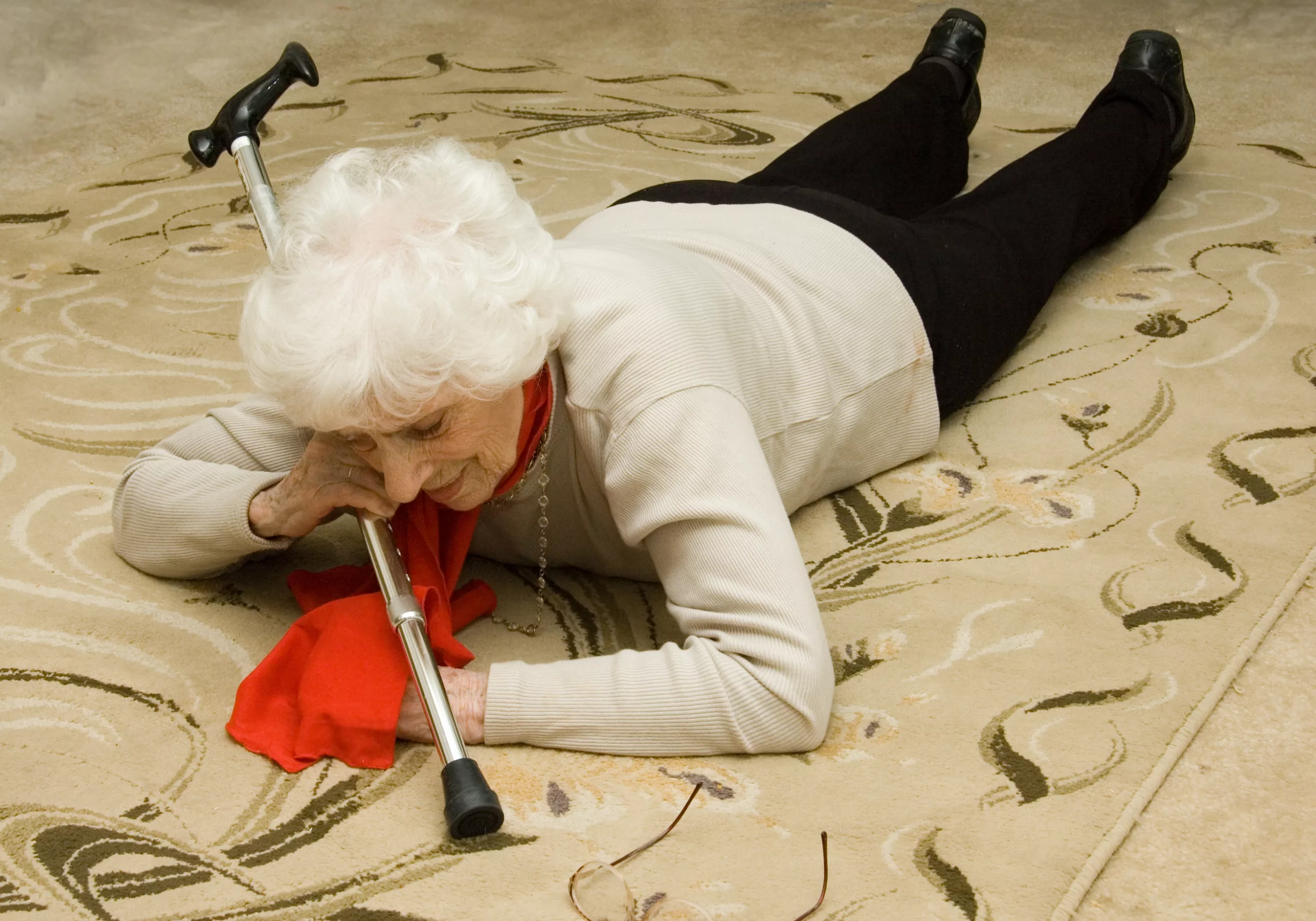
    What to do if you are on the floor because of a fall, and you’re not hurt

    Don’t get up quickly. Roll onto your knees and use nearby stable furniture to push yourself up. Then, sit down until you feel able to continue with your day (NHS, 2021). If you are disabled, ensure use your mobility aids today to prevent yourself from falling again.

    Remember, if you have hurt yourself, or you can’t get up, call for help. If you have one, you can press your personal alarm. You can call: family, friends, 999, or 111. Both 999 and 111 will lead to an ambulance arrival with a crew who can assess you and help you up. Both 999 and 111 result in the same ambulance service.

    While you wait, the NHS recommends changing your position ‘at least once every half hour or so,’ (NHS, 2021) if you are able to and it is not painful to do so.

    Keep yourself warm and let 999 know if anything gets worse.

    PREVENTION –

    To prevent yourself falling again, remove any objects that might have caused you to fall, avoid drinking too much alcohol, and ensure you wear appropriate safety equipment when performing sports, such as helmets when cycling.

    Additional Information

    https://natfonline.org/2020/08/falls-and-anticoagulation/

    https://www.everydayhealth.com/news/need-know-side-effect-blood-thinners/

    https://www.stoptheclot.org/living-your-best-life-while-taking-blood-thinners/

    References

    Age UK. (2020). Avoiding a fall. Available at: https://www.ageuk.org.uk/information-advice/health-wellbeing/exercise/falls-prevention/ (Accessed 12/10/2021).

    Alter SM, Mazer BA, Solano JJ, et al. (2020). Antiplatelet therapy is associated with a high rate of intracranial hemorrhage in patients with head injuries. Trauma Surgery & Acute Care Open, 5(1), e000520

    Alzheimer’s Society. (2021). Urinary tract infections and dementia. Available at: https://www.alzheimers.org.uk/get-support/daily-living/urinary-tract-infections-utis-dementia (Accessed 18/10/2021)

    BNF. (N.D.). Antiplatelet drugs. Available at: https://bnf.nice.org.uk/treatment-summary/antiplatelet-drugs.html (Accessed 12/10/2021).

    CDC. (2017). Assessment. Timed Up and Go. Available at: www.cdc.gov/steadi/pdf/TUG_Test-print.pdf (Accessed 12/10/2021).

    The Chartered Society of Physiotherapy (CSP). (2015). Get up and go – a guide to staying steady. Available at: https://www.csp.org.uk/publications/get-go-guide-staying-steady-english-version (Accessed 12/10/2021).

    CSP. (2017). Stay active at home – Strength and balance exercises for older adults. Available at: Stay Active at Home – Strength and balance exercises for older adults (Accessed 12/10/2021).

    Dallas, M. (2015). The Need-to-Know Side Effect of Blood Thinners. Available at: https://www.everydayhealth.com/news/need-know-side-effect-blood-thinners/ (Accessed 18/10/2021).

    Knott, L. (2021). Rhabdomyolysis and Myoglobinuria. Available at: https://patient.info/doctor/rhabdomyolysis-and-other-causes-of-myoglobinuria (Accessed 12/10/2021).

    National Blood Clot Alliance. (n.d.). Living your best life while taking blood thinners. Available at: https://www.stoptheclot.org/living-your-best-life-while-taking-blood-thinners/ (Accessed 18/10/2021).

    NHSa. (2021). Falls. Available at: https://www.nhs.uk/conditions/falls/ (Accessed 12/10/2021).

    NHSb. (2021). Anticoagulant medications. Available at: https://www.nhs.uk/conditions/anticoagulants/ (Accessed 12/10/2021)

    NHSc. (N.D.). Care Services, Equipment and Care Homes. Available at: https://www.nhs.uk/conditions/social-care-and-support-guide/care-services-equipment-and-care-homes/ (Accessed 12/10/2021).

    NICEa. (2013). Falls in older people: assessing risk and prevention. Available at: https://www.nice.org.uk/guidance/cg161 (Accessed 12/10/2021).

    NICEb. (2015). Falls in older people. Available at: https://www.nice.org.uk/guidance/qs86/chapter/About-this-quality-standard (Accessed 12/10/2021).

    NICEc. (2019). Falls – risk assessment. Available at: https://cks.nice.org.uk/topics/falls-risk-assessment/ (Accessed 12/10/2021).

    NICEd. (2014). Head injury: assessment and early management (NICE Clinical Guideline 176). Available at:  https://www.nice.org.uk/guidance/cg176 (Accessed 16/06/2020).

    NICEe. (2016; 2021). Spinal Injury: assessment and initial management. Available at: https://www.nice.org.uk/guidance/ng41/resources/spinal-injury-assessment-and-initial-management-pdf-1837447790533 (Accessed 19/10/2021).

    Nishijima, D. (2012). Immediate and delayed traumatic intracranial hemorrhage in patients with head trauma and preinjury warfarin or clopidogrel use. Annals of Emergency Medicine, 59(6), pp: 460-468.

    North American Thrombosis Forum. (2020). Falls and anticoagulation. Available at: https://natfonline.org/2020/08/falls-and-anticoagulation. (Accessed 18/10/2021).

    Probst, M. et al. (2020). ‘Prevalence of Intracranial Injury in Adult Patients With Blunt Head Trauma With and Without Anticoagulant or Antiplatelet Use’. Annals of Emergency Medicine, 75(3), pp: 354-364.

    Public Health England. (2017). Falls and fracture consensus statement – Supporting commission for prevention. Available at: https://assets.publishing.service.gov.uk/government/uploads/system/uploads/attachment_data/file/586382/falls_and_fractures_consensus_statement.pdf (Accessed 12/10/2021).

    Saga, CSP, and PHE. (2015). Get Up and Go: A Guide to Staying Steady. Available at: https://www.csp.org.uk/system/files/get_up_and_go_0.pdf (Accessed 12/10/2021).

    Soliman, Y., Meyer, R., And Baum, N. (2016). Falls in the Elderly Secondary to Urinary Symptoms. Reviews in Urology. 18(1), pp: 28-32.

    Stiell, I. et al. (2003). ‘The Canadian C-Spine Rule versus the NEXUS Low-Risk Criteria in Patients with Trauma’, The New England Journal of Medicine. 349. pp: 2510-2518.

    Skellet, S. et al (2021). Paediatric advanced life support Guidelines. Available at: https://www.resus.org.uk/library/2021-resuscitation-guidelines/paediatric-advanced-life-support-guidelines (Accessed 18/10/2021).

    WHO. (2021). Falls. Available at: https://www.who.int/news-room/fact-sheets/detail/falls (Accessed 18/10/2021).

    [tabby title=”Extra Info For HCPs”]

    Extra Info for HCPs

    Please feel free to share this video with your patients, but please attach this link with it so that all accompanying information is also shared.

    For more info about what Article 999 is, and why I am creating videos for patients, please see the ‘About Us’ page and click on the ‘About article 999 for patients’ tab.

    Feel free to add comments or feedback. Please let us know how well received this is.

    Thank you,

    Louise Sopher
    HCPC Registered Paramedic
    Article 999 Founder

    [tabbyending]

  • Video Guide/Walkthrough to Article 999’s CPD Templates (v1.5)

    Video Guide/Walkthrough to Article 999’s CPD Templates (v1.5)

    00:00 start

    00:45 where to find the templates

    03:50 logging cpd entries

    09:29 the details (beginnings)

    09:46 cpd log table – overview

    10:18 printing or exporting to pdf your basic log

    11:56 evidence list table – overview & printing/exporting

    14:18 reflections table – overview and printing/exporting (use of the ‘extensions’ tab)

    15:58 viewing and reviewing (not printing) – checking the word count of your reflections

    17:49 how to display records within a specific date range and apply this range to the tables you want to print/export

    19:16 the calendar

    19:48 nqp learning outcome table – checking/adding/editing/printing/exporting/another way of logging

    22:38 development goals table – adding/editing/printing/exporting/another way of logging

    23:37 skill log – adding/editing/printing/exporting/using the calendar/another way of logging

    24:20 hcpc standards of proficiency 2023 – checking/adding/editing/printing/exporting/another way of logging

    27:00 additional features – visual data

    27:45 additional free support – details. Note: Teams 1:1 support is now a paid service of a one-off fee, set at £15. Support for customisation to ensure the template meets Trust requirements will continue to be offered for free.


    Head here for the links.

    Not convinced? Have a look at 10 reasons to use the templates.

  • Demo – Sizing an Oral Airway Adjunct – GIPHY (Quick View)

    Demo – Sizing an Oral Airway Adjunct – GIPHY (Quick View)

    https://giphy.com/gifs/opa-oral-airway-adjunct-8HxbiSgO7sUT6DDZiz
  • ‘Thanks for the Feedback’ – A Video Summary in Quotes

    ‘Thanks for the Feedback’ – A Video Summary in Quotes

    For mentors/PPEDs, PHEM feedback facilitators, ALS instructors, teachers, and those interested in responding better to feedback (and in doing so, giving better feedback), here’s one for you. This is a summary in quotes of the ‘Thanks for the Feedback’ book, picking up on some key points. The full reference is available in our new reference database here: https://airtable.com/shrmbfb43bwcyYtPG

    This video took about 2 hours of an evening to produce and was created by Article 999’s founder, Louise, using a great software program purchased out of pocket. The actual reading and saving of quotes has taken [insert actual time] far too long and a similar amount of time will be needed for other books. If you like Article 999’s content, let us know by buying us a coffee here or clicking on the coffee symbol in the bottom right corner.

  • The Case of Anna Bagenholm

    The Case of Anna Bagenholm

    In 1999, Anna Bagenholm survived a cardiac arrest after a prolonged down-time and a temperature of just 13.7c. The circumstances of her survival continue to make international news and to inform and inspire research about target temperature management. There have been very few documented cases of survival from such extreme hypothermia, especially with minimal neurological impact. Consider the statistics on neurological impact from ordinary cardiac arrests, with less down-time, and Anna’s case becomes even more extraordinary. But does her survival mean we should target hypothermia in cardiac arrest patients? Should we target hypothermia in ROSC? Let’s have a look at the case and the research that has followed:

    The case

    Situation: 29 Year Old Female (Anna Bagenholm) is submerged head-first in a hole in the ice in a mostly frozen stream for 80 minutes.

    Background: She has no medical history. She has slid down an icy slope while skiing with colleagues.

    Assessment: She was conscious for the first 40 minutes, but has been unconscious for 40 mins since. After recovery, she is in cardiac arrest. Her ECG shows asystole. During the resuscitation attempt, the following is also learned:

    • Temp: 13.7
    • Pupils: dilated

    She is warmed and the resuscitation team are watching an echo of her heart, which begins to move. ROSC was not gained until 4 ½ hours after she fell, and she spent 35 days on life support.

    Questions: What would your expectations be of her ROSC management? What would your expectations of her survival and neurological impact be?

    Recommendation — today:

    • Maintain a target temperature at a constant value between 32°C and 36°C for at least 24 h. 
    • Avoid fever (> 37.7°C) for at least 72 h after ROSC in patients who remain in coma. 
    • Do not use pre-hospital intravenous cold fluids to initiate hypothermia. 

    (Resuscitation Council, 2021)

    Decision/Outcome: Not only does Anna survive, her long-term neurological impact is minimal. Have a look at the video:

    More Questions:

    • What target temperature does your Trust follow for ROSC management? Do you think it should be lower, or higher, having seen Anna’s case?
    • Do you think it’s possible to replicate the results of Anna’s treatment? What makes her situation so different to a cardiac arrest patient who has been treated with target temperature management?

    The Research

    Have a look at the results of some recent studies into target temperature management, below:

    YearIn or out of hospital studyPresenting rhythmTargetsOutcome  
    2002OHCAShockable33 and 37Positive for survival and neurological impact
    2010OHCAShockableCooled IV fluids (No target temperature listed)No difference
    2013OHCABoth shockable and non-shockable, but presumed cardiac cause33 and 36No difference
    2014OHCABoth shockable and non-shockable2L of normal saline at 4 degrees, vs standard careNo difference
    2018OHCAShockable32, 33, 34No difference
    2019OHCA and IHCANon-shockable33 vs 37.5Improved survival and good neurological outcome (CPC = 1 or 2)
    2021OHCAPresumed cardiac cause33 vs 37.5No difference
    Adapted from: Rasmussen and Girotra, 2021.

    Final discussion point:

    Why can’t controlled studies replicate the kind of outcome that Anna had? Share your thoughts below, or on our Facebook or Twitter pages.


    References (excluding videos and direct links above):

    Rasmussen, T. P. and Girotra, S. 2021. A Contemporary Update on Targeted Temperature Management, Available at: https://www.acc.org/latest-in-cardiology/articles/2021/11/09/13/16/a-contemporary-update-on-targeted-temperature-management (Accessed 15/05/2022).

    Resuscitation Council, 2021. Post-Resuscitation Care Guidelines, Available at: https://www.resus.org.uk/library/2021-resuscitation-guidelines/post-resuscitation-care-guidelines (Accessed 15/05/2022).

  • What To Do When You Fall Over, Aged 65+

    What To Do When You Fall Over, Aged 65+

    Contents
    Videos – Below, split into 3, followed by the complete (merged) version
    In Text
    Additional Information
    References

    The Videos

    What to Do if you Fall, Aged Over 65 – When to Seek Help
    What to Do if you Fall, Aged Over 65, and You’re Not Hurt
    When to Speak to Your Doctor About Your Falls – For People in the UK Aged over 65
    The Complete Video – Watch it all at once above.

    Please read more about Article 999.
    Please also take the time to read our disclaimer.

    [tabby title=”For Patients”]

    In Text:

    If you are 65 years old or above, you are at an increased risk of falling and serious injury from falling (NICE, 2013; WHO, 2021). But falling isn’t just a part of getting older, it’s often due to a combination of factors – over 400, in fact (NICE, 2015) – some more serious than others.

    If you or the person you are watching this for has just fallen and the following factors apply, please CALL 999. If you or they fall again, and the following apply, please CALL US BACK, no matter what time it is. Finally, if you have been advised to attend a&e and have chosen not to, please make sure you have someone who can check in on you over the next 48 hours (NICE, 2014). You and they should look out for:

    • Breathing difficulties or chest pain
    • A change in your behaviour, for example if you feel more irritated or confused than normal.
    • Vomiting
    • Dizziness, or feeling faint when you stand up
    • Persistent headaches
    • Memory changes – are you forgetting events since, or before, you fell over?
    • Seizures
    • Losses of consciousness, including faints.
    • Any loss of sensation in your limbs or sudden new weaknesses, including signs of strokes.
    • Swollen, painful muscles
    • Or if you’re unable to mobilise, can’t get up from the floor, or develop any new pain

    *This is not an exhaustive list.

    Call 999.

    If you have had alcohol, this may be hiding symptoms, so you may be advised to attend a&e.

    Also, if you have fallen, hit your head, and you take blood thinners, or medications called anti-platelets, you need to be cautious.

    You must attend a&e to be monitored and receive a scan of your head, a CT scan. Even if you have not drawn blood, you are still at risk of bleeding internally, especially in the brain because these medications are designed to prevent blood clots.

    These medications might be called:

    • Warfarin
    • Rivaroxaban
    • Dabigatran
    • Apixaban
    • Edoxaban
    • Heparin (injection)

    Antiplatelet medications include clopidogrel, aspirin.

    • And others shown on the screen:

    Dipyridamole 

    Prasugrel

    Ticagrelor

    Cangrelor

    (BNF, n.d.)

    *These are more concerning when taken in combination, e.g. clopidogrel + aspirin

    You must maintain extreme caution if you are on these medications. For more information about blood thinners and antiplatelets, please scroll below the video.

    If none of this applies to you, but you are on the floor and you’re not hurt, don’t get up quickly.

    Roll onto your knees and use nearby stable furniture to push yourself up. Then, sit down until you feel able to continue with your day (NHS, 2021).

    Remember, if you’re not hurt but you still can’t get up, call for help. If you have one, you can press your personal alarm. You can call: family, friends, 999, or 111. In this circumstance, both 999 and 111 will lead to an ambulance arrival with a crew who can assess you and help you up. Both 999 and 111 result in the same ambulance service.

    While you wait, the NHS recommends changing your position ‘at least once every half hour or so,’ (NHS, 2021) if you are able to and it is not painful to do so. Keep yourself warm and let 999 know if anything gets worse.

    Be aware of what might have caused or contributed to your fall, and let the ambulance crew know when they arrive.

    Additional Information

    When to speak to your doctor:

    6 out of 10 falls happen at home (SAGA, CSP, PHE, 2015), so there are often contributing factors – and there are ways we can help prevent these from causing you to fall.

    If you are noticing an increase in your urine output, you should request a urine dip from your doctor in case you have a urine infection, which might make you confused (Alzheimer’s Society, 2021), or rush to the toilet (Soliman, Meyer, and Baum, 2016), often leading to falls.

    If you are falling more often,

    If your balance has worsened gradually,

    Or you’re noticing a gradual worsening in the way you walk,

    Or you’re feeling afraid of falling

    *If anything mentioned here happens suddenly, you must call 999.

    … You should ask for a falls assessment from your doctor. Health care professionals will look for factors contributing to your falls, which may range from problems with your eyes to problems with your bones, and looking at your medications to see if they are causing side effects (Saga, CSP, PHE, 2015).

    They may also look at your home environment and identify items that could cause you to trip, even if they never have before. Ambulance crews might also point these out if they are attending to you. They should also ask to refer you for this falls assessment. (NICE, 2013)

    Scroll beneath the video to find a link for information on how to get equipment, grants to pay for additional items, and personal alarms if you fall. If you have purchased your own keysafe, make sure you pass on the code to the ambulance service in case you cannot answer the door.

    Thank you.

    Links:

    For equipment such as hand and grab rails, commodes, raised toilet seats, slip mats for the shower, grants to pay for additional items, and personal alarms if you fall, please follow this link. You should be able to get financial support from your local council for some of these items.

    Other resources:

    Stay Active at Home – Strength and balance exercises for older adults

    Age UK also offer great advice and a ‘handyperson’ to help with small adaptations you might need.

    References

    Age UK. (2020). Avoiding a fall. Available at: https://www.ageuk.org.uk/information-advice/health-wellbeing/exercise/falls-prevention/ (Accessed 12/10/2021).

    Alter SM, Mazer BA, Solano JJet al. (2020). Antiplatelet therapy is associated with a high rate of intracranial hemorrhage in patients with head injuries. Trauma Surgery & Acute Care Open, 5(1), e000520

    Alzheimer’s Society. (2021). Urinary tract infections and dementia. Available at: https://www.alzheimers.org.uk/get-support/daily-living/urinary-tract-infections-utis-dementia (Accessed 18/10/2021)

    BNF. (N.D.). Antiplatelet drugs. Available at: https://bnf.nice.org.uk/treatment-summary/antiplatelet-drugs.html (Accessed 12/10/2021).

    CDC. (2017). Assessment. Timed Up and Go. Available at: www.cdc.gov/steadi/pdf/TUG_Test-print.pdf (Accessed 12/10/2021).

    The Chartered Society of Physiotherapy (CSP). (2015). Get up and go – a guide to staying steady. Available at: https://www.csp.org.uk/publications/get-go-guide-staying-steady-english-version (Accessed 12/10/2021).

    CSP. (2017). Stay active at home – Strength and balance exercises for older adults. Available at: Stay Active at Home – Strength and balance exercises for older adults (Accessed 12/10/2021).

    Dallas, M. (2015). The Need-to-Know Side Effect of Blood Thinners. Available at: https://www.everydayhealth.com/news/need-know-side-effect-blood-thinners/ (Accessed 18/10/2021).

    Knott, L. (2021). Rhabdomyolysis and Myoglobinuria. Available at: https://patient.info/doctor/rhabdomyolysis-and-other-causes-of-myoglobinuria (Accessed 12/10/2021).

    National Blood Clot Alliance. (n.d.). Living your best life while taking blood thinners. Available at: https://www.stoptheclot.org/living-your-best-life-while-taking-blood-thinners/ (Accessed 18/10/2021).

    NHSa. (2021). Falls. Available at: https://www.nhs.uk/conditions/falls/ (Accessed 12/10/2021).

    NHSb. (2021). Anticoagulant medications. Available at: https://www.nhs.uk/conditions/anticoagulants/ (Accessed 12/10/2021)

    NHSc. (N.D.). Care Services, Equipment and Care Homes. Available at: https://www.nhs.uk/conditions/social-care-and-support-guide/care-services-equipment-and-care-homes/ (Accessed 12/10/2021).

    NICEa. (2013). Falls in older people: assessing risk and prevention. Available at: https://www.nice.org.uk/guidance/cg161 (Accessed 12/10/2021).

    NICEb. (2015). Falls in older people. Available at: https://www.nice.org.uk/guidance/qs86/chapter/About-this-quality-standard (Accessed 12/10/2021).

    NICEc. (2019). Falls – risk assessment. Available at: https://cks.nice.org.uk/topics/falls-risk-assessment/ (Accessed 12/10/2021).

    NICEd. (2014). Head injury: assessment and early management (NICE Clinical Guideline 176). Available at:  https://www.nice.org.uk/guidance/cg176 (Accessed 16/06/2020).

    Nishijima, D. (2012). Immediate and delayed traumatic intracranial hemorrhage in patients with head trauma and preinjury warfarin or clopidogrel use. Annals of Emergency Medicine, 59(6), pp: 460-468.

    North American Thrombosis Forum. (2020). Falls and anticoagulation. Available at: https://natfonline.org/2020/08/falls-and-anticoagulation. (Accessed 18/10/2021).

    Probst, M. et al. (2020). ‘Prevalence of Intracranial Injury in Adult Patients With Blunt Head Trauma With and Without Anticoagulant or Antiplatelet Use’. Annals of Emergency Medicine, 75(3), pp: 354-364.

    Public Health England. (2017). Falls and fracture consensus statement – Supporting commission for prevention. Available at: https://assets.publishing.service.gov.uk/government/uploads/system/uploads/attachment_data/file/586382/falls_and_fractures_consensus_statement.pdf (Accessed 12/10/2021).

    Saga, CSP, and PHE. (2015). Get Up and Go: A Guide to Staying Steady. Available at: https://www.csp.org.uk/system/files/get_up_and_go_0.pdf (Accessed 12/10/2021).

    Soliman, Y., Meyer, R., And Baum, N. (2016). Falls in the Elderly Secondary to Urinary Symptoms. Reviews in Urology. 18(1), pp: 28-32.

    Stiell, I. et al. (2003). ‘The Canadian C-Spine Rule versus the NEXUS Low-Risk Criteria in Patients with Trauma’, The New England Journal of Medicine. 349. pp: 2510-2518.

    Skellet, S. et al (2021). Paediatric advanced life support Guidelines. Available at: https://www.resus.org.uk/library/2021-resuscitation-guidelines/paediatric-advanced-life-support-guidelines (Accessed 18/10/2021).

    WHO. (2021). Falls. Available at: https://www.who.int/news-room/fact-sheets/detail/falls (Accessed 18/10/2021).

    [tabby title=”Extra Info For HCPs”]

    Please feel free to share this video with your patients, but please attach this link with it so that all accompanying information is also shared.

    For more info about what Article 999 is, and why I am creating videos for patients, please see the ‘About Us’ page and click on the ‘About article 999 for patients’ tab.

    Feel free to add comments or feedback. Please let us know how well received this is.

    A history of falls in the past year is the single most important risk factor for falls and is a predictor of further falls.

    https://www.nice.org.uk/guidance/qs86/chapter/Quality-statement-1-Identifying-people-at-risk-of-falling>

    NICE (2019) recommends using the ‘Timed Up and Go’ test to assess a person’s risk of falling. Details on this can be found here: https://www.cdc.gov/steadi/pdf/TUG_Test-print.pdf

    ‘An older adult who takes ≥12 seconds to complete the TUG is at risk for falling’

    (CDC, 2017)

    A video on this is available from the CSP here.

    Thank you,

    Louise Sopher
    HCPC Registered Paramedic
    Article 999 Founder

    [tabbyending]
  • What Does NICE Say About Epilepsy? The Video

    What Does NICE Say About Epilepsy? The Video

    The guidelines, summarised, and made relevant for Paramedics (anything irrelevant is not included):

    The full guidelines:

    https://www.nice.org.uk/guidance/cg137/resources/epilepsies-diagnosis-and-management-pdf-35109515407813

    (full reference in video)

    *update 28/02/22 – music volume reduced to ensure voiceover is clearer

  • Video – Burns: The Practical Stuff

    Video – Burns: The Practical Stuff

    Uploaded to YouTube in April 2019; Filmed 2018

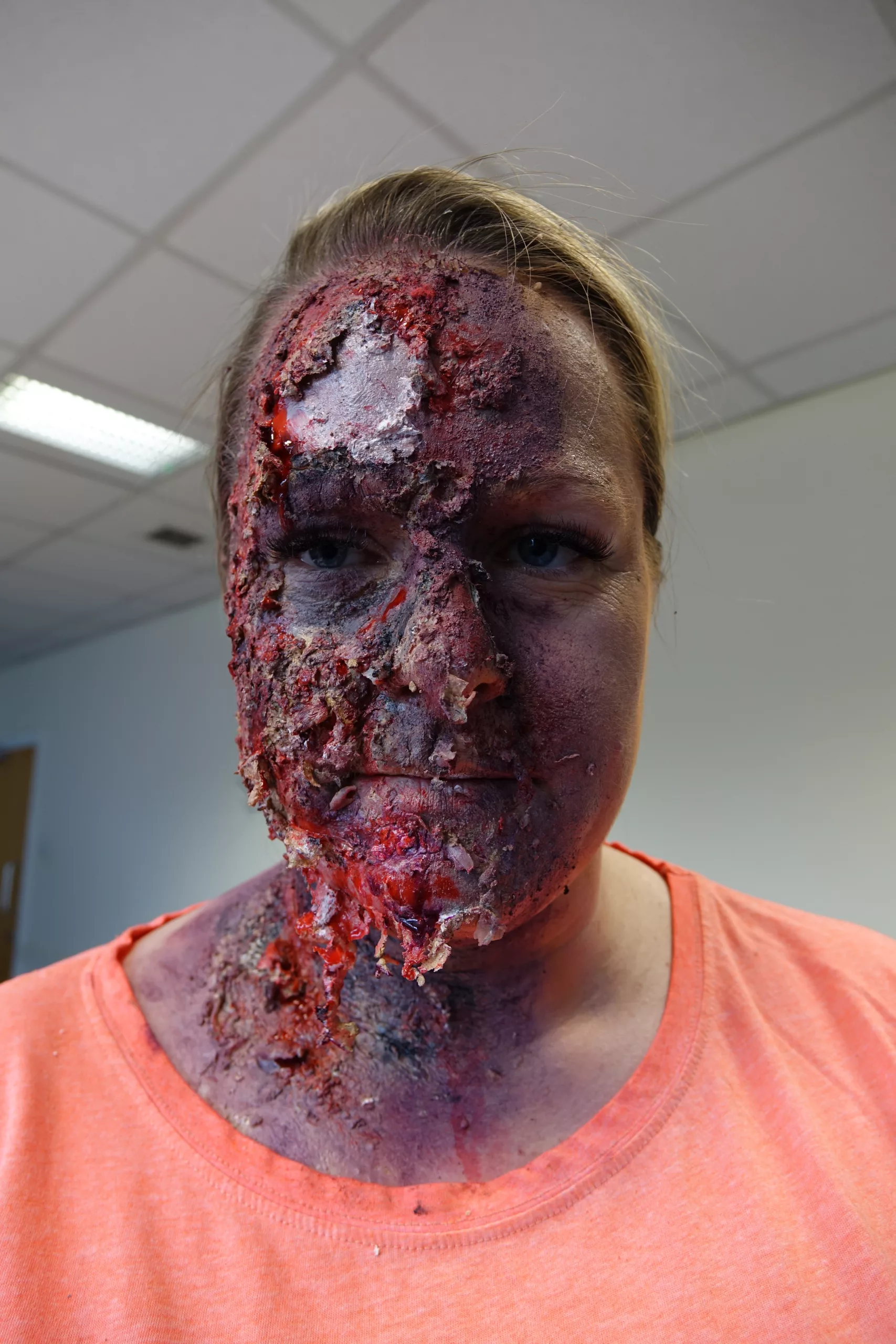
    Content warning: This video may contain sensitive content.

    This video demonstrates the assessment and management of burns, using equipment that is recommended within the locality at the time of production. Remember to check your local, current guidelines before putting anything into practice. Produced by HCPs and students.

    This video demonstrates use of burn gel wraps, which may no longer be used in your ambulance Trust. Please check your local guidelines regarding this. According to the British Burn Association:

    Burn gel wraps may be used to provide analgesia, but only after adequate cooling has
    occurred as they do not actively remove heat from the wound

    Varley et al (2014)

    Remember to follow good IPC in real life.

    The transcript below has been slightly edited, with titles added, to make it easier to read.

    Further recommended reading: The British Burn Association First Aid Clinical Practice Guidelines

    Transcript

    You must read the full disclaimer at www.article999.co.uk/disclaimer and check your local guidelines before putting into practice any of our content.

    BURNS: The practical stuff

    This video contains content some might find sensitive.

    Treatment

    With all assessments and interventions, use an aseptic technique, especially because ‘burns are prone to infection’

    Purcell, 2003: 217

    Airway

    The patient’s airway might worsen. Here’s why:

    ‘A burned patient may have a patent airway on the initial evaluation. […] In the time that follows, the face, as well as the airway, will likely swell.’

    NAEMT, 2016: 411

    … So, consider HEMS for RSI.

    Breathing

    The patient’s breathing might worsen. Here’s why:

    Is there a chest wall burn?

    ‘Burns constrict the chest wall similarly to having several leather belts progressively tightening around the patient’s chest. As time progresses, the patient cannot move the chest wall to breathe.’

    NAEMT, 2016: 412

    So, consider HEMS and ventilatory support where needed.

    Other considerations:

    Inhaled toxins ‘can produce asphyxiation’

    NAEMT, 2016: 412

    If:
    – LOC in a fire with ‘heavy smoke’
    – trapped patient in a fire
    consider O2

    El-Helbawy & Ghareeb, 2011

    Circulation

    Swelling might get worse. Here’s what to do about it:

    ‘Distal limb perfusion may be critically reduced’; ‘Burned extremities should be elevated during transport to reduce the degree of swelling in the affected limb’

    NAEMT, 2016: 412

    A complication of swelling:

    Fluid loss occurs from swelling and evaporation

    NAEMT, 2016: 416

    Giving Fluids – Pros and Cons

    Consider IV fluids, especially if the burn is >10% of the body (AACE, 2016: 265-266). Keep watching for info on how to determine this.

    Give fluids with caution. Too much -> ‘cardiac failure, […] infectious complications, acute respiratory distress syndrome, and even death’.

    Too little -> ‘hypovolemic shock, organ failure’

    (NICE, 2016)

    Judicious fluid management of children with severe burn injury can improve the respiratory outcome measures of these children

    Duran and Sheridan, 2016

    Cannulating – Essentials

    When cannulating, ‘placement through the burn is appropriate [only] if no alternative sites are available’

    NAEMT, 2016: 412

    What about heat?

    Patients with burns are not able to maintain their own body heat

    NAEMT, 2016: 413

    …So, give blankets

    ECGs

    ECGs are required for electrical burns (AACE, 2016: 265) but consider them for all burns as ‘cardiac dysrhythmias’ result from the release of ‘muscle potassium’ (NAEMT, 2016: 418) and studies have shown disturbances in the cardiac functions of in-hospital burn patients (Jeschke et al, 2008).

    Disability

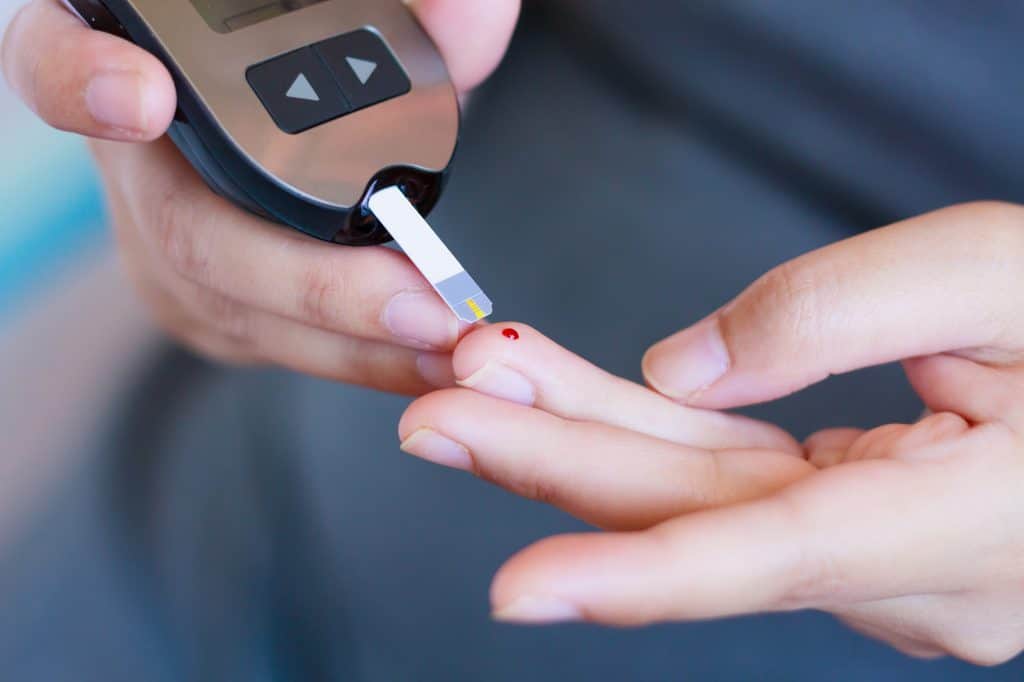
    Do your BMs

    Hyperglycemia may occur in burns patients and has a higher risk of ‘morbidity and mortality in critically ill patients’ (Wolfe et al, 1979; Mecott et al, 2010).

    Pain management in children

    In children, ‘a multi-modal approach to pain and sedation can improve the neurological status of severely burned children’

    Duran and Sheridan, 2016

    Expose/Examine

    Cooling the burn:

    Cool with a wet compress

    Purcell, 2003: 217

    ‘Cooling gels such as Burnshield are often used by paramedics. These are useful in cooling the burn and relieving pain in the initial stages.’ *

    Be aware of the risk of ‘heat loss’

    Hudspith and Rayatt, 2004

    *This guidance is changing. Check your local guidance first, and consider the use of cling-film after running water.

    Documentation during examination:

    Assess and document:

    ‘Burn depth & features’ (Purcell, 2003: 217)

    Other considerations:

    Anticipate Swelling. Take off jewelry. Be aware that these and clothing ‘retain residual heat’ (NAEMT, 2016: 413).

    Cooling – more details

    Irrigate early to cool and prevent further burning.

    Chemical burns: 15 mins min (AACE, 2016: 265)

    All burns: Max 20 mins (AACE, 2016: 266)

    This is most effective ‘within 20 minutes of the injury’ (Hudspith and Rayatt, 2004).

    Don’t use ice cold water as ‘intense vasoconstriction can cause burn progression’ (Hudspith and Rayatt, 2004).

    When using cling film

    Discard ‘the first few centimetres’ to be aseptic

    ‘lay this on the wound rather than wrapping the burn’ to anticipate swelling

    (Hudspith and Rayatt, 2004)

    Consider using wet dressings instead in chemical burns (Allison and Porter, 2004)

    Estimating total burns

    Consider the use of tools to estimate the total body percentage of the burns (NICE, 2016; Mersey Burns, 2013).

    Transport

    Using those tools [such as Mersey Burns] will help determine the right treatment centre for the patient and the treatment priority.

    Time critical features:

    • major abcd problems
    • airway burns
    • history of hot air or gas inhalation
    • respiratory distress
    • burns that completely encircle the chest, neck, or limb
    • significant facial burns
    • burns >10% total body area
    • ‘presence of other major injuries’

    (AACE, 2016: 266)

    References

    Association of Chief Ambulance Executives (AACE), 2016. UK Ambulance Services Clinical Practice Guidelines. Bridgwater: Class Professional Publishing

    Allison, K. and Porter, K. 2004. Consensus on the prehospital approach to pain management. Emergency Medicine Journal. 21 (1), pp. 112-114

    Duran, C. and Sheridan, R.L. 2016. Current Concepts in the Medical Management of the Pediatric Burn Patient. Current Trauma Reports. 2 (4), pp. 202-209

    El-Helbawy, R.H. and Ghareeb, F.M. 2011. Inhalation injury as a prognostic factor for mortality in burns patients. Annals of Burns and Fire Disasters. 24 (2), pp.82-88

    Hudspith, J. and Rayatt, S. 2004. First aid and treatment of minor burns. BMJ. 328 (7454), pp. 1487-1489

    Jeschke, M.G. et al. 2008. Pathophysiologic response to severe burn injury. Anals of surgery. 126, pp. 37-51

    National Association of Emergency Medical Technicians (NAEMT). 2016. PHTLS. Prehospital Trauma Life Support, 8th Edition. Burlington: Jones and Bartlett Learning.

    NICE, 2016. Mersey Burns for calculating fluid resuscitation volume when managing burns. Available at: https://www.nice.org.uk/advice/mib58/chapter/summary (Accessed 06/04/19)

    Purcell, D. 2003. Minor Injuries. A Clinical Guide. Edinburgh. Elsevier.

    St Helens and Knowsley Teaching Hospitals NHS Trust, 2013. Mersey Burns. Available at: https://merseyburns.com (Accessed 06/04/19)

    *Stiles, K. and Goodwin, N. 2018. British Burn Association: First Aid Clinical Practice Guidelines. Available Online: https://www.britishburnassociation.org/wp-content/uploads/2017/06/BBA-First-Aid-Guideline-24.9.18.pdf (Accessed 29/03/21)

    *Varley, A. et al. 2014. British Burn Association: First Aid Position Statement. Available Online: https://www.nbt.nhs.uk/sites/default/files/attachments/British%20Burn%20Association%20First%20Aid%20Position%20Statement.pdf (Accessed 29/03/21)

    Wolfe, R.R. et al. 1979. Glucose metabolism in severely burned patients. Metabolism. 28 (10), pp. 1031-1039

    *Added to post 29/03/21