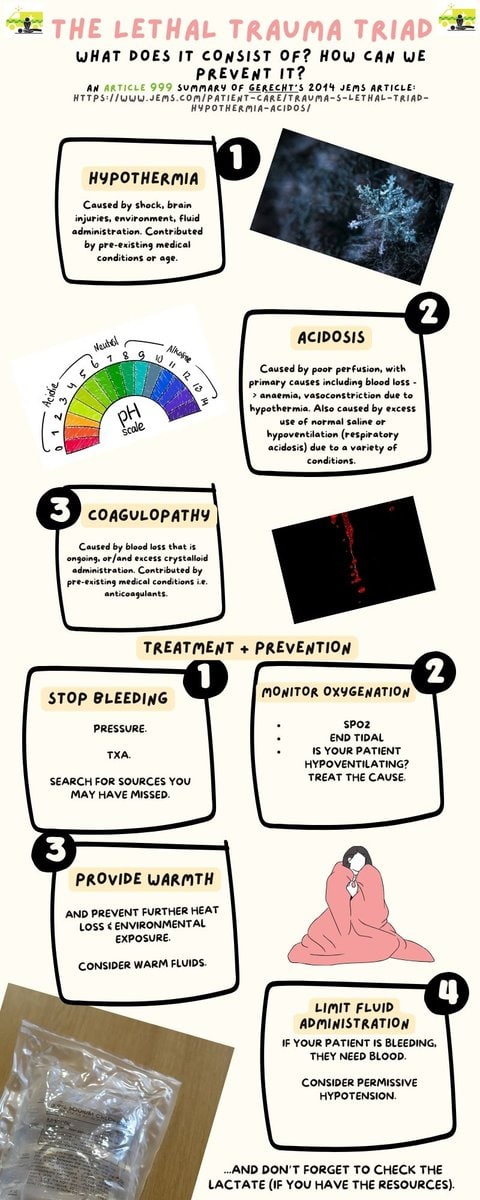
The above is based on a summary of this article.
Part of the above is also featured in Article 999’s Road to Disaster card game.
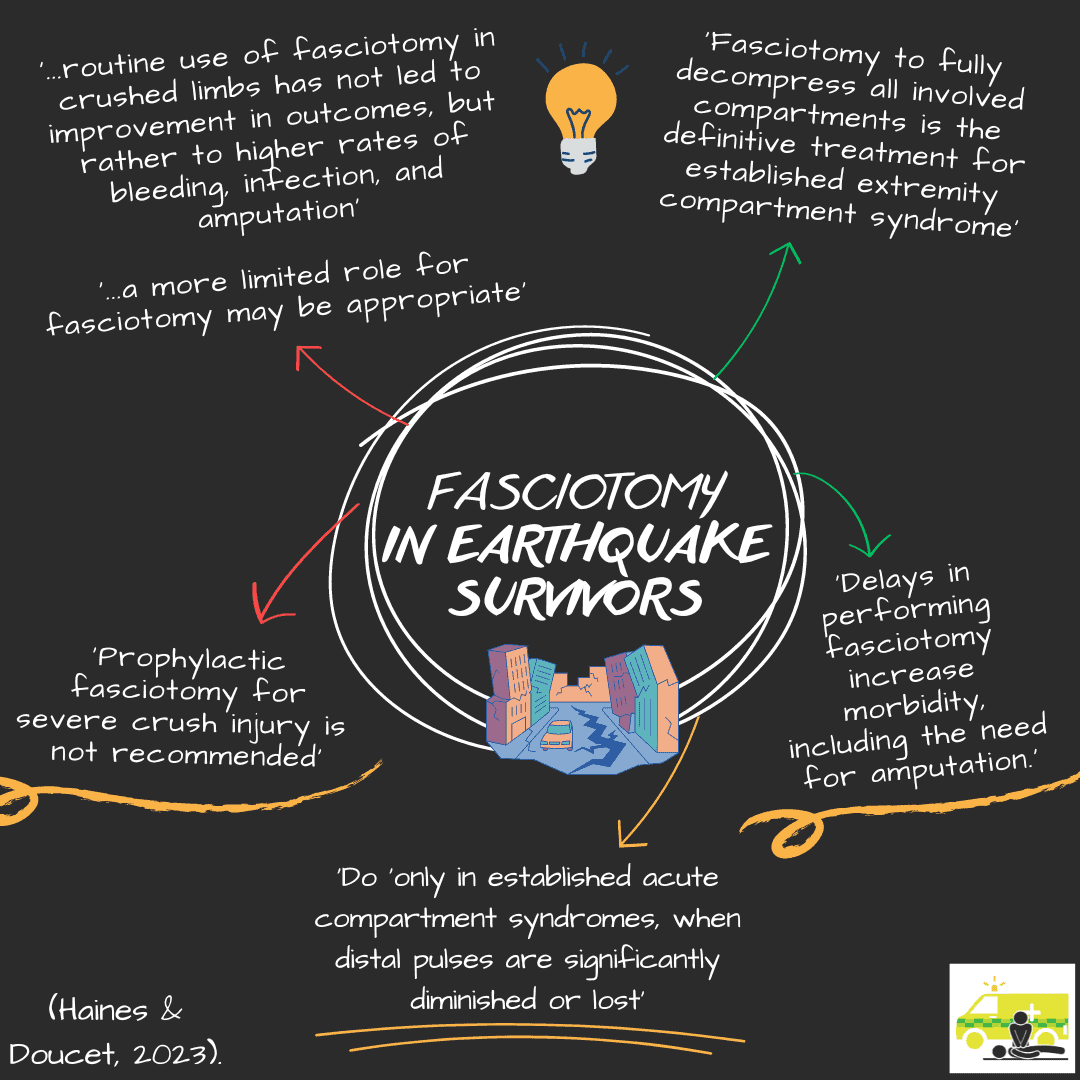
The above is based on a summary of this article.
Part of the above is also featured in Article 999’s Road to Disaster card game.
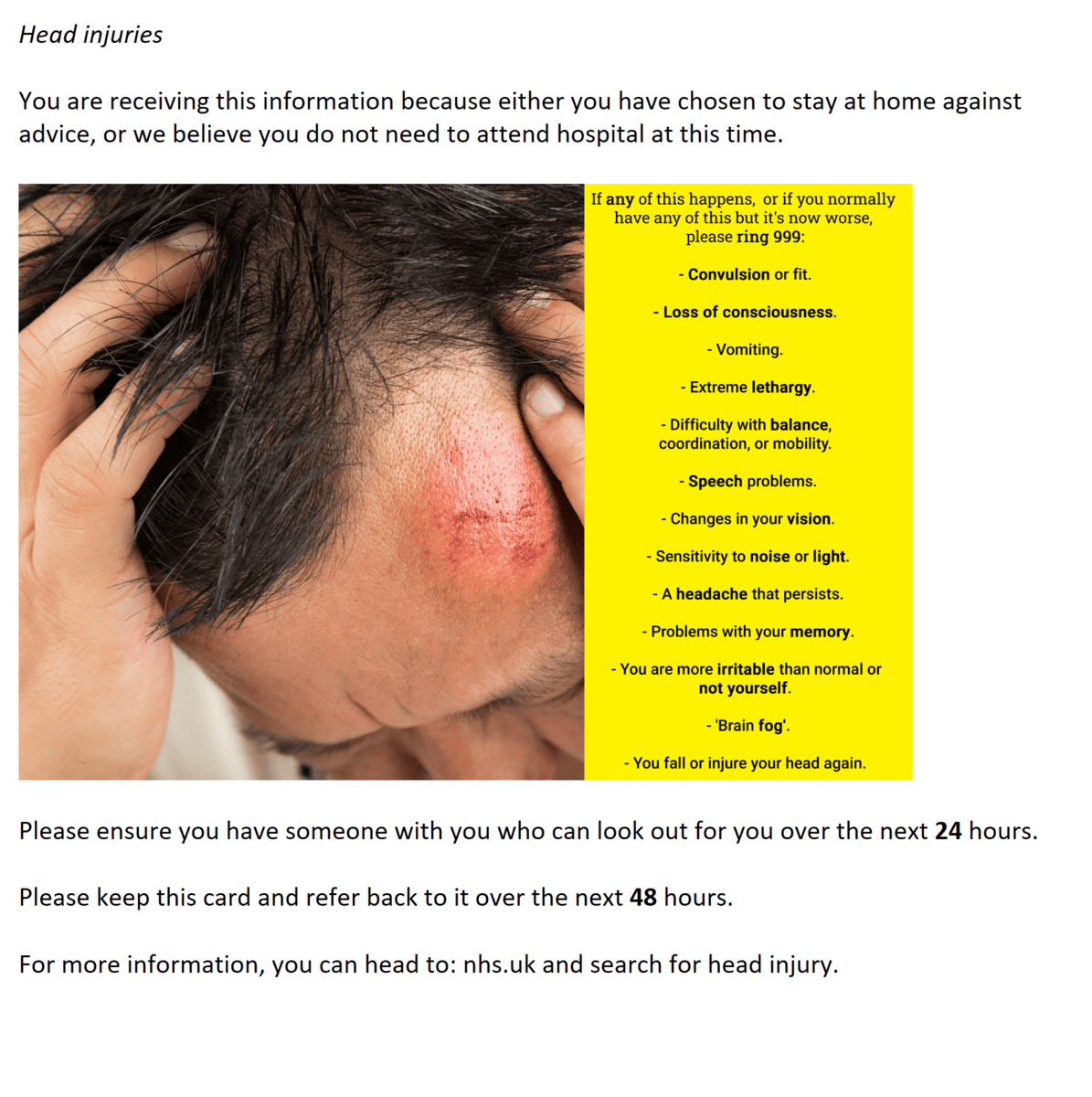
The below is an information card designed for patients to receive should ambulance crews need to non-convey. This information is based on the NICE guidelines – https://www.nice.org.uk/guidance/ng232 (2023). This card has not yet been peer reviewed – please add your feedback on the content and presentation below. If you are not a medic, please add your feedback on presentation below.
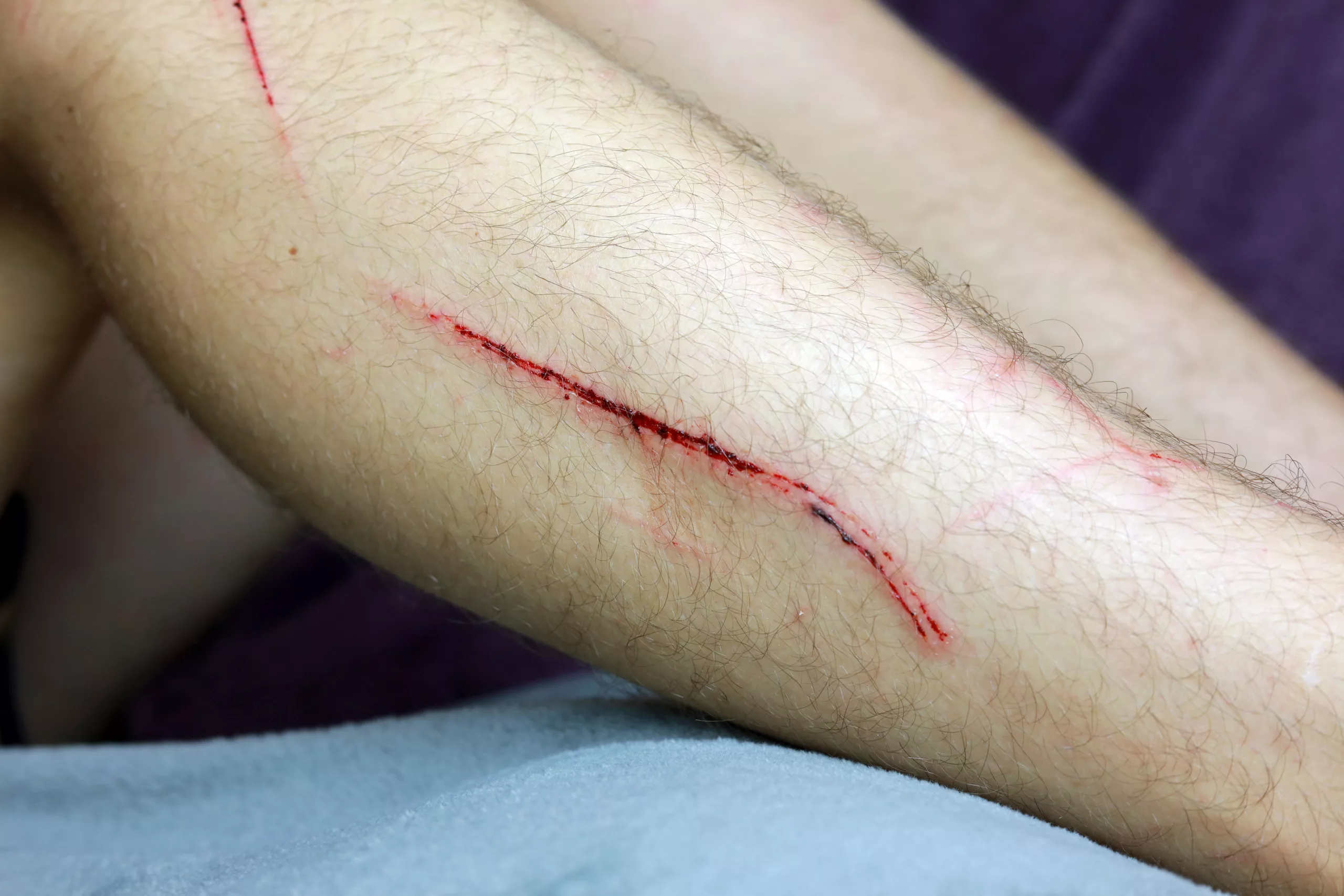
In your stable patients with lacerations, who do not have any urgent or troublesome A-D problems and who have not sustained injury through any great mechanism, what else should you be looking for in your assessment of their injury? What are the risk factors, according to different guidelines or authors?
While some of these elements may not be enough to refer a patient to secondary care on their own, they should help to increase your risk assessment during safe discharges. In combination, many of these factors should raise flags.
| Depth | Size | Risk Factors | Area |
|---|---|---|---|
| There is limited evidence regarding the depth of wounds. The emphasis is on the structures that deep wounds would impact. For example, vascular damage, and nerve, tendon, or bony injuries (NICE, 2021). | More than 5cm (NICE, 2021). | Two or more of: – Malaise – Fever – Rigors – Contamination of site with body fluids, soil, faeces, or/and pus. – Patient older than 65 years – Diabetes – Jagged wound edges – Signs of tetanus (NICE, 2021) | Any of: – Face – Palm – and there is a potential infection. – Joint with cellulitis. (NICE, 2021). |
| Contamination from unknown object (e.g. knife/glass) (NICE, 2021). | |||
| Presence of necrotic tissue or slough, which could delay healing. Granulation tissue can also delay wound healing, but all can be prevented with appropriate dressings (Wilson, 2012: 11). | |||
| Wounds older than 24 hours (Newman and Mahdy, 2021). | |||
| Bites (Newman and Mahdy, 2021). |
Have you found more, or would you like to add some from your own experience? Add these in the comments below, and let us know what you think about this post.
References
Newman, R.K. and Mahdy, H. (2021) ‘Laceration’, Treasure Island. Available at: https://www.ncbi.nlm.nih.gov/books/NBK545166/ (Accessed 18/11/2021)
NICE. (2021). Lacerations. Available at: https://cks.nice.org.uk/topics/lacerations/ (Accessed 18/11/2021).
Wilson, M. (2012) ‘Understanding the basics of wound assessment’. Wounds Essentials. 2. Pp. 8-12. Available at: https://www.wounds-uk.com/resources/details/wound-essentials-72-understanding-the-basics-of-wound-assessment (Accessed 28/12/2021).
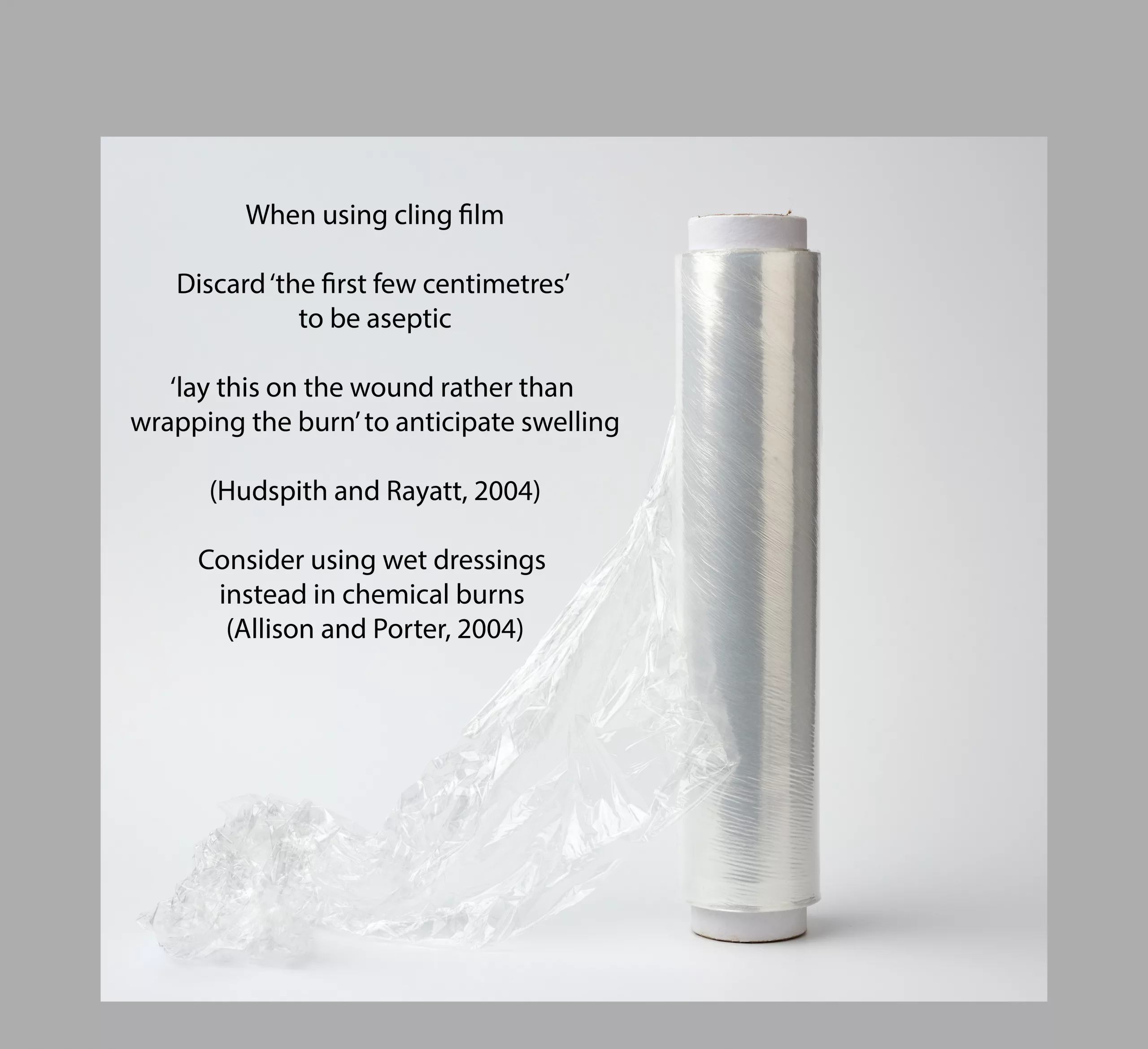
Fast Fact posts are designed to provide quick and easy ways to revise key topics – view a photo with a quote/fact by simply scrolling through the category. Refresh yourself during those middle-of-the-night breaks when you would have aimlessly scrolled through your phone. There is no need to read a lengthy post to do a little CPD. For more fast facts, head here.
Here’s a list I’ve had for a while but not published: obvious, less obvious, and utterly surprising reasons your alive patient might be pale. References within. Detailed reference list coming soon.

Discoloration of the hands/nails/eyelids:
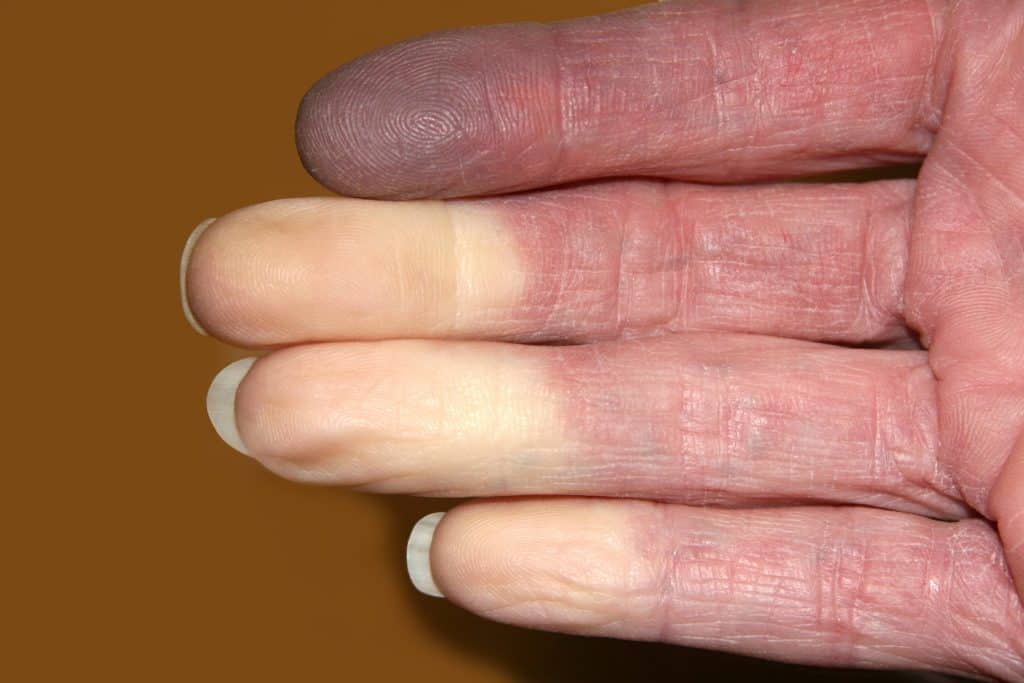
13. White discoloration of nails – 6 of 155 HIV patients in a 1998 study had this, amongst other more prevalent changes of their nails – https://jamanetwork.com/journals/jamadermatology/fullarticle/189490
14. Anaemia – ‘pallor of the conjunctiva, palm, nail beds or at any site was associated with a significantly lower hemoglobin concentration’ – From <https://academic.oup.com/jn/article/129/9/1675/4721973>
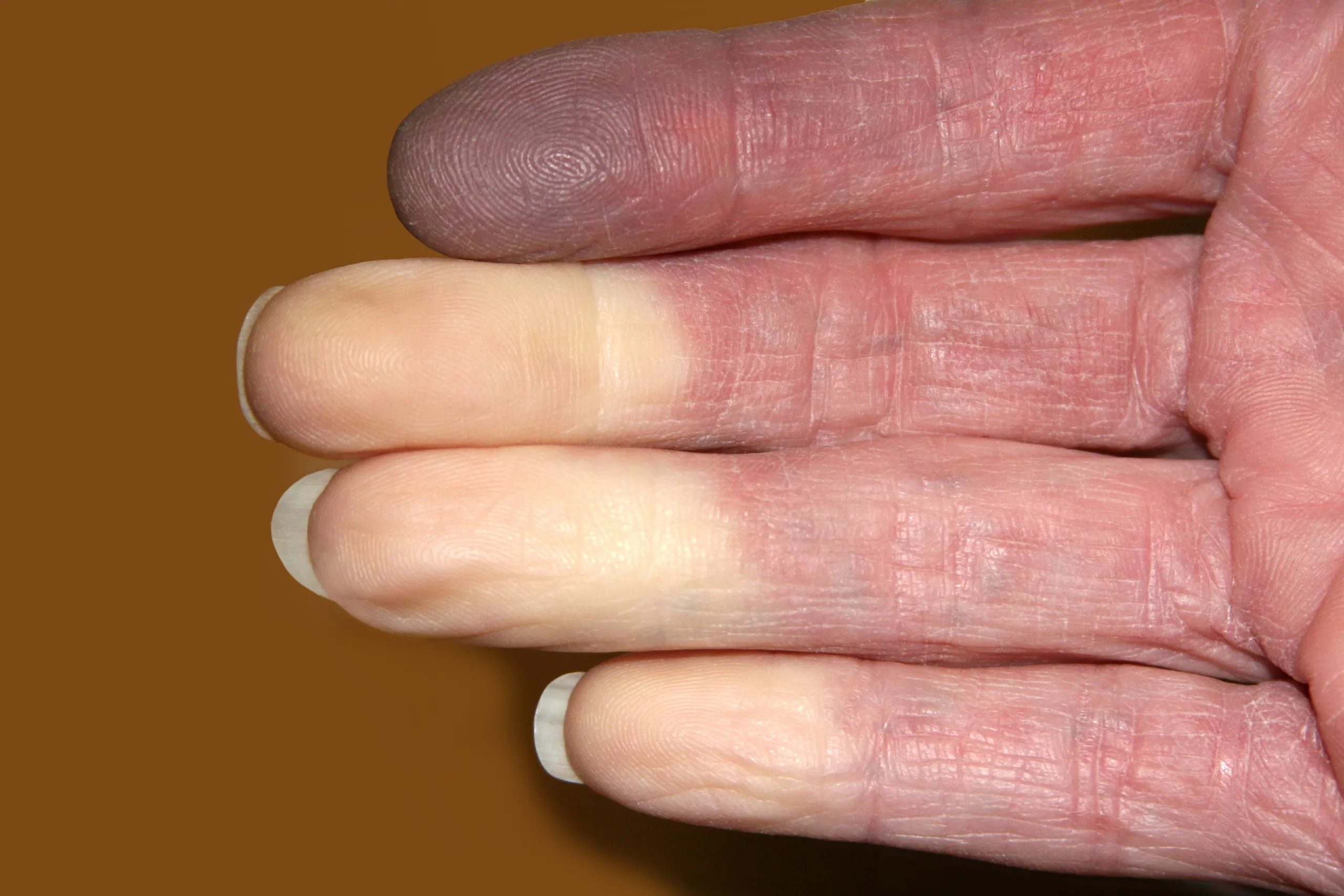
15. Raynaud Phenomenon – leading to white/yellow/purple fingers, temporarily – http://www.cmaj.ca/content/188/15/E396
Red herring
16. Rigor mortis and liver mortis in an alive patient who was suffering from a dissecting abdominal aorta: https://content.sciendo.com/view/journals/sjfs/22/1/article-p11.xml
Have I missed any? Add in the comments below —>