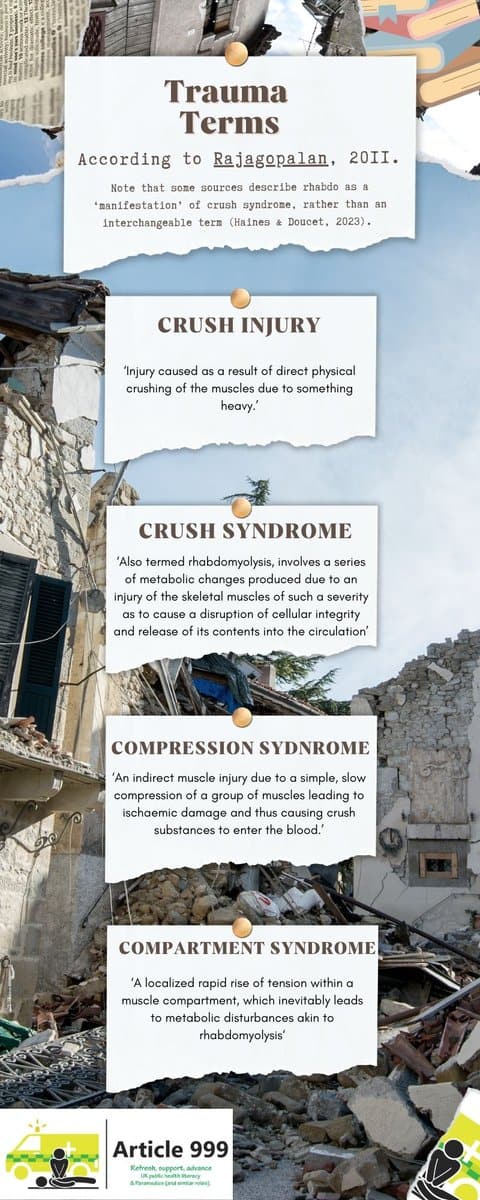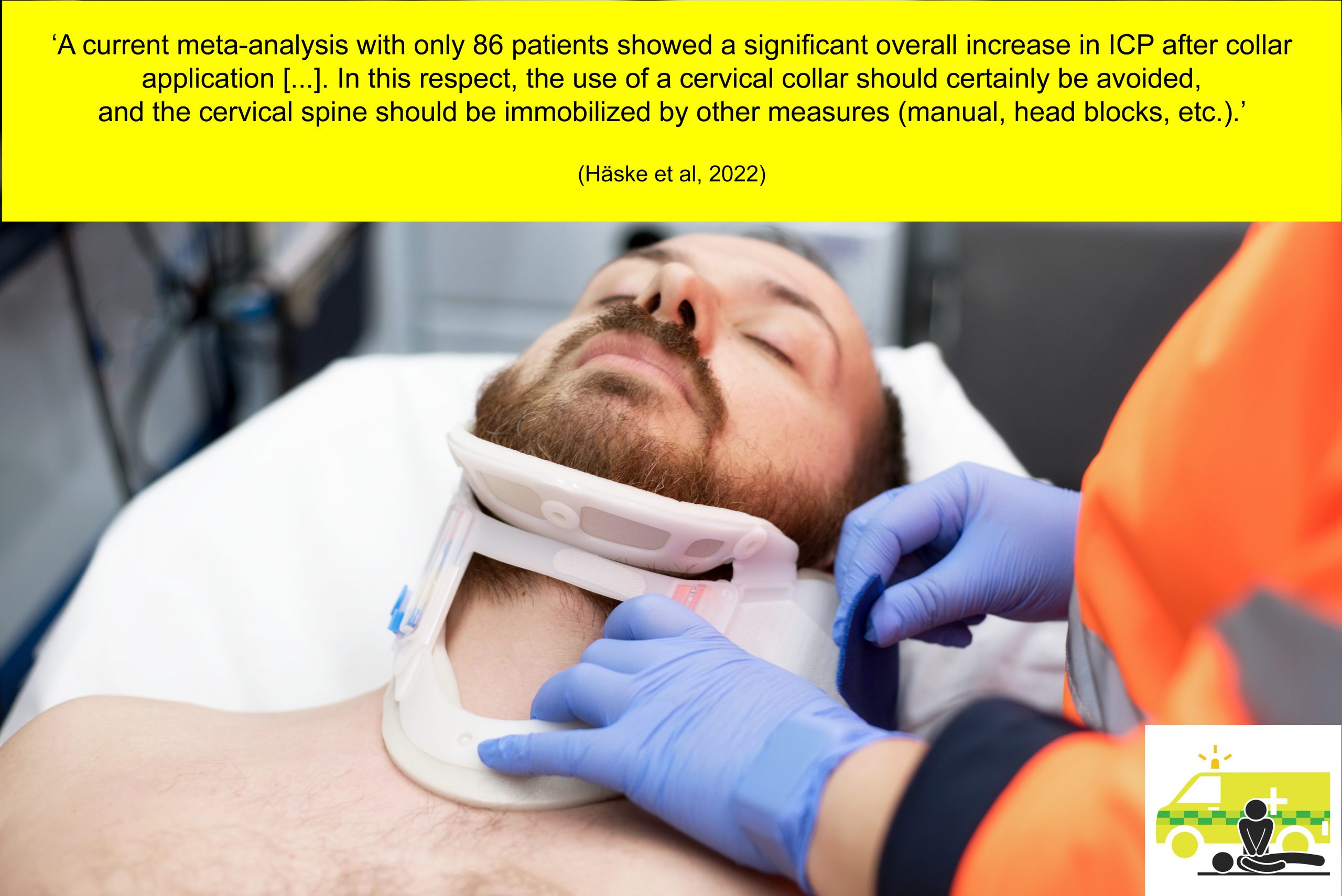
Questions related to topics like these appear in Article 999’s Road to Disaster card game, which is available to purchase here.
Questions related to topics like these appear in Article 999’s Road to Disaster card game, which is available to purchase here.
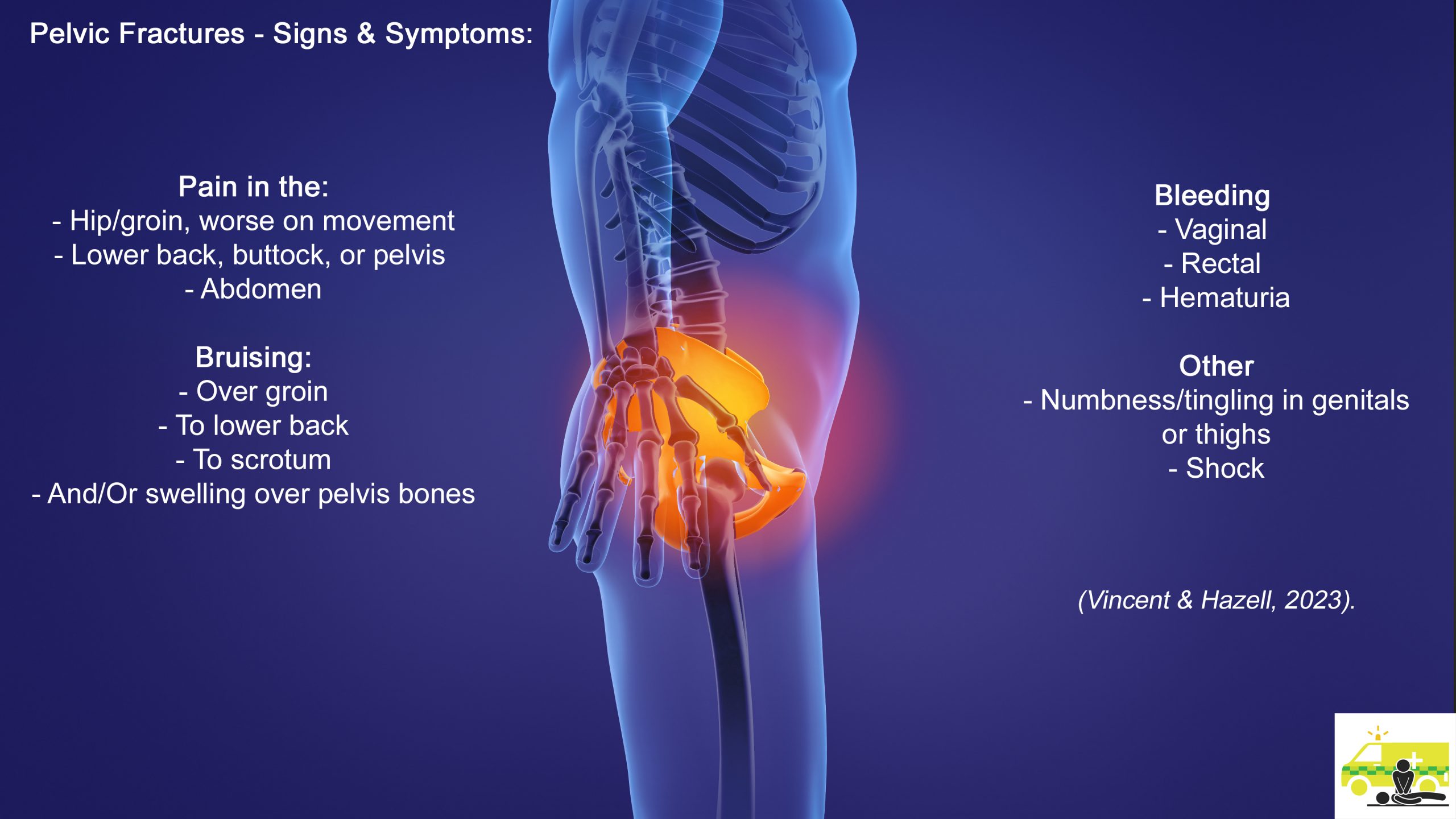
Quizzes based on topics like these are included in Article 999’s Road to Disaster card game, which is available to purchase here. Profits from the game go to search and rescue charities and the organisations supporting them.
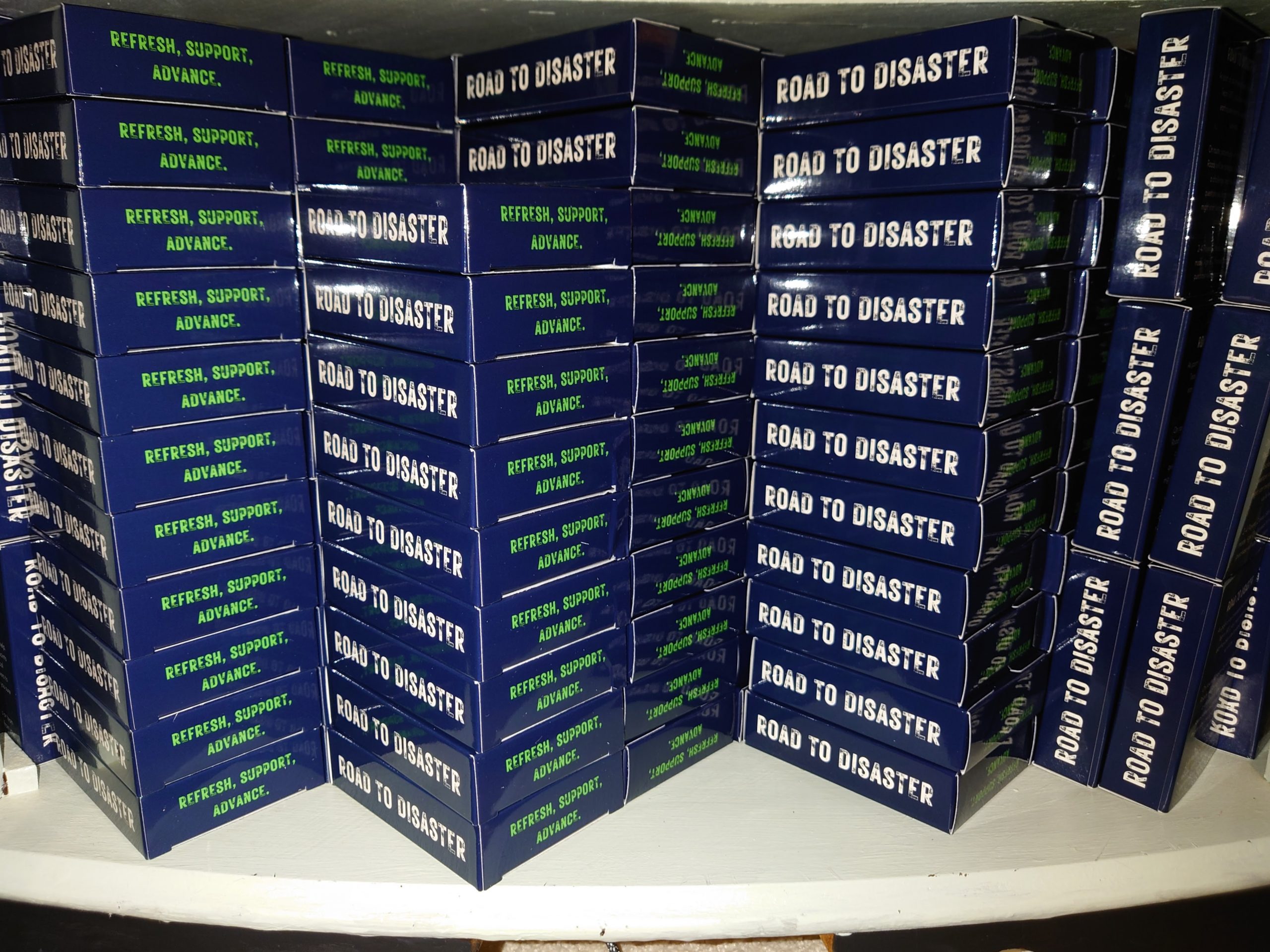
Road to Disaster is a quiz based tile-laying game. It’s designed for anyone interested in the medical side of disaster response. Profit from these games goes to real search and rescue/international response teams and the organisations that support them. Do your bit for charity while updating your trauma and remote first aid knowledge.
The evidence supporting the cards are the culmination of over a year of research by Article 999. The cards are fully referenced, using the QR code provided.
To purchase, please head to article999.co.uk/shop
[restabs alignment=”osc-tabs-left” pills=”nav-pills” responsive=”false” tabcolor=”#6ad61d”]
[restab title=”Full Summary and Reference” active=”active”]
- Remember to follow ATLS protocol [and/or your local guidance and JRCALC guidelines]
- Use cervical spine control along with effective airway management
- ‘The most common critical care errors are related to airway and respiratory management. Gruen et al studied 25 trauma mortality patients […] [and] found that failure to intubate, secure or protect the airway was […] responsible for 16% of inpatient deaths’ [and that was in a trauma centre, albeit in 1996-2004!] (Gruen et al, 2006)
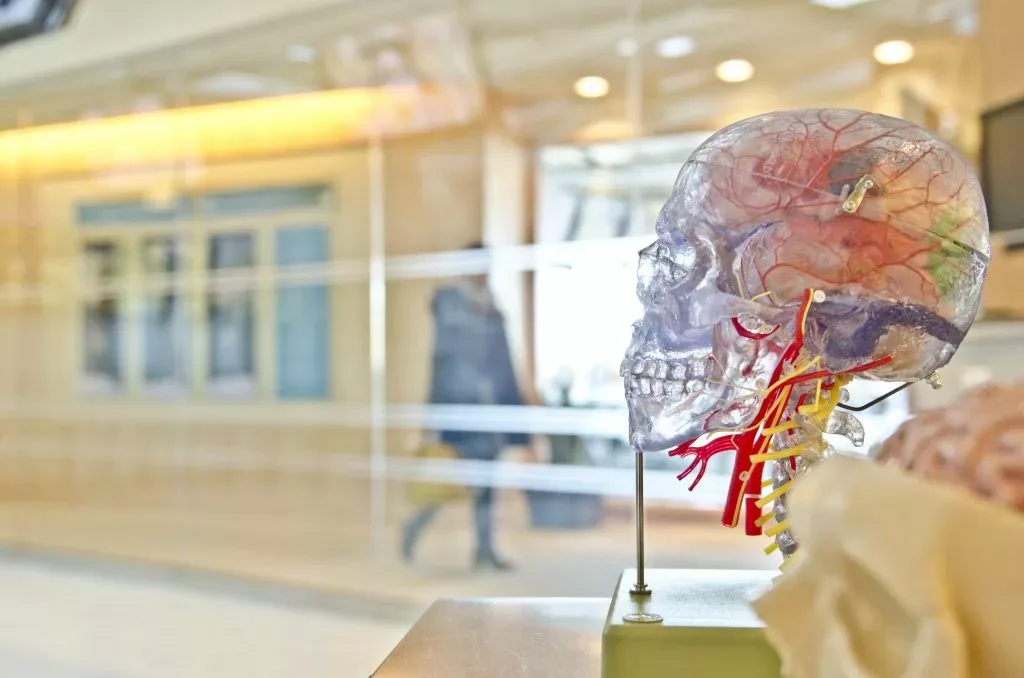
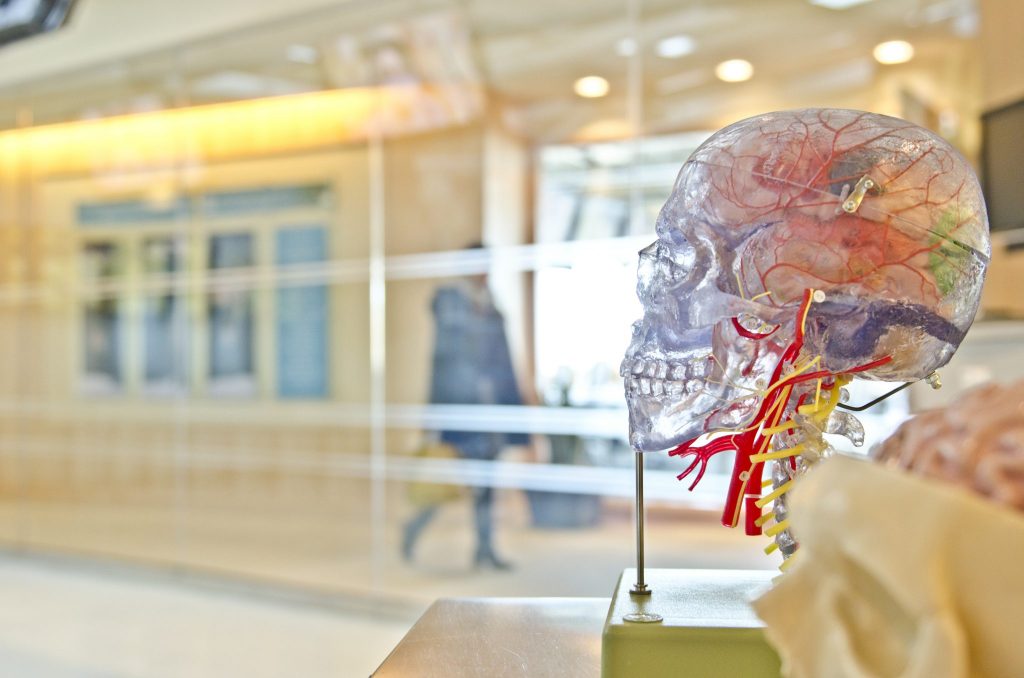
These, from the top of the head downwards, can be summarised as:
Head and soft tissue trauma
– These risk ‘delayed airway compromise’
Nasal bleeding/open wounds causing obstruction
Mandible fractures
– Leading to the tongue to drop back, blocking the oropharnyx
– Leading to blockage of the nasopharnygeal airway
Mouth obstructions
– From loose items & bodily fluids
Tracheal trauma
– Leading to swelling and displacement of essential airway structures behind them.
C-spine injury
– Leading to the need for “in-line stablization”. This can cause a reduced view during intubation
– The act of intubating might increase neck movements, potentially worsening this injury
Stomach
– [All patients ambulance personnel intubate in the prehospital environment might realistically have a full stomach]
– Note the risk of regurgitation
– Consider cricoid pressure – but also consider that this might ‘worsen the larnygeal view’
– Other tips noted in this section are not relevant to UK paramedics. Please read the full article for more information
These cause:
– Difficulties fitting a mask
– Less ‘efficient air transferring from the mask to the lungs’
– A ‘difficulty in visualizing the vocal cords’ when intubating due to fluids & obstructions
Gruen, R.L. et al. 2006. Patterns of Errors Contributing to Trauma Mortality: Lessons Learned from 2594 Deaths, Annals of Surgery, 244 (3): 371-380, Available Online:
https://www.ncbi.nlm.nih.gov/pmc/articles/PMC1856538/
Krausz, A. et al. 2009. Maxillofacial trauma patient: coping with the difficult airway, World Journal of Emergency Surgery, 4: 21, Available Online: https://wjes.biomedcentral.com/articles/10.1186/1749-7922-4-21
[/restab]
[restab title=”Article 999 Super Summary”]
Head and soft tissue trauma, nasal bleeding or open wounds, mandible fractures, mouth obstructions, tracheal trauma, c-spine injury and the patient’s stomach contents can all make airway management more challenging (Hutchinson et al, 1990 in Krausz et al, 2009).
Top tips?
(Krausz et al, 2009)
[/restab]
[/restab][/restabs]