Category: Need to know

  • I-Gel: When, How?

    I-Gel: When, How?

    This video shows only the when and how of I-Gels. To view a longer video, which contains the why, what, when and how, click here.

    This version has been created to enable those of you who want to refresh yourself on only the need to knows – the use of the i-gel – to do so quickly and easily.

    This video has not been endorsed by any organisation, author or ambulance trust. You must refer to local guidelines and read Article 999’s full disclaimer, available at www.article999.co.uk/about/ (disclaimer tab), before putting into place anything you see or read here.


     

    This video has been peer reviewed by 2 or more individuals. No drastic changes have been suggested, so improvements will be made to future posts.


  • I-Gel: Why, What, When, How?

    I-Gel: Why, What, When, How?

    Over the coming weeks and months, Article 999 aims to build a video library of skills and equipment, and in the future, scenarios. The aims are to make it easier for all operational staff to access refreshers or aid their training, while also enabling students to learn how to find and use equipment.

    These videos should add to a resource that provides information that is easy to find and quick to learn from. Importantly, all of our videos have been produced based on publicly available information that is referenced, and all of them have been created by and for operational staff in the UK.

    Feedback is welcome. As with all of our content, please remember to check local guidelines and read our full disclaimer before putting into place anything you see or read here.

    Presenting one of our videos, I Gel: Why, What, When, How?


    This video has been reviewed by one or more individuals. No drastic changes have been suggested but improvements will be made to future videos. Let us know if you have any feedback in the comments below.
  • The NEWS Score

    The NEWS Score

    news score

    Shaw, J. et al. 2017. ‘Can the prehospital National Early Warning Score identify patients most at risk from subsequent deterioration?’ Emergency Medical Journal, 34: 533-537

  • Be wary of the quiet child

    Be wary of the quiet child

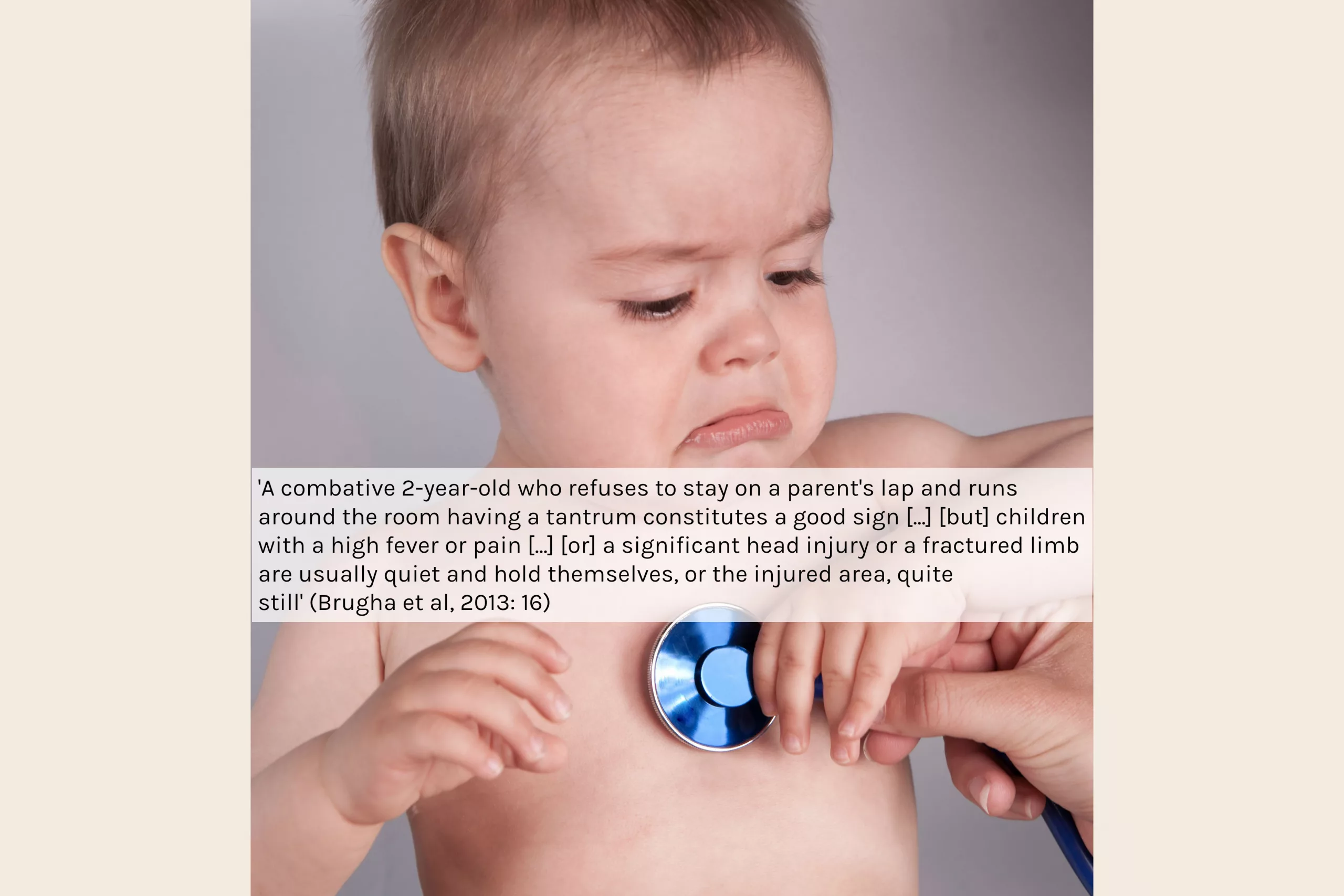
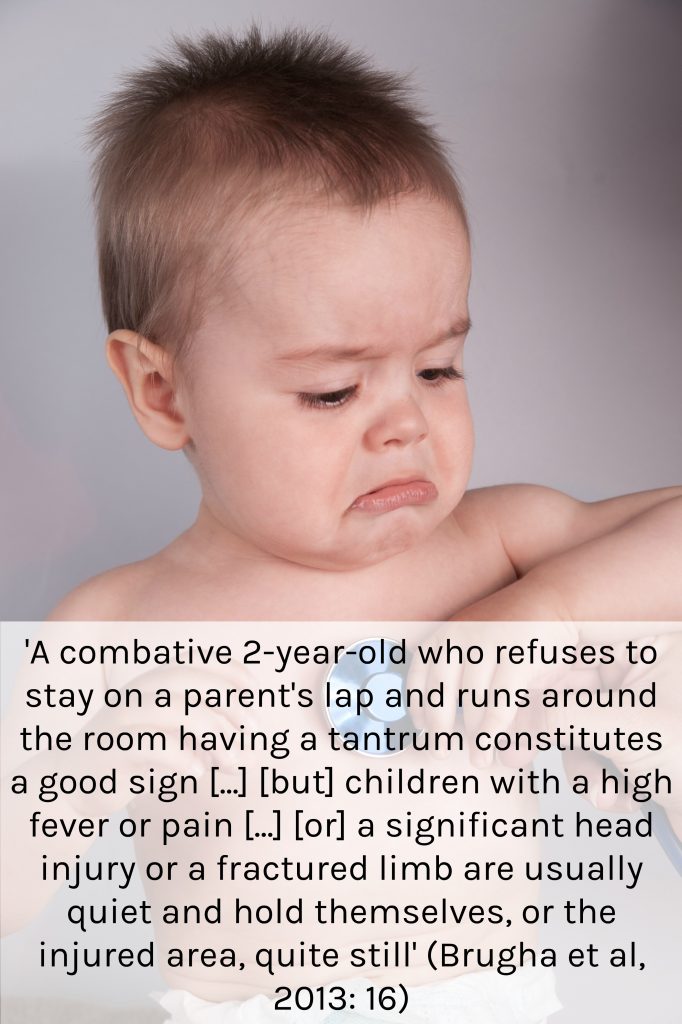
    While this is very important, Brugha et al (2013) also warn that the child who isn’t quiet ‘may be distressed as a result of pain’ (Brugha et al, 2013: 16).


    Reference

    Brugha, R. et al, 2013. Paediatric Clinical Examination, London: JP Medical Ltd.

  • What red flags need to be looked out for in a child?

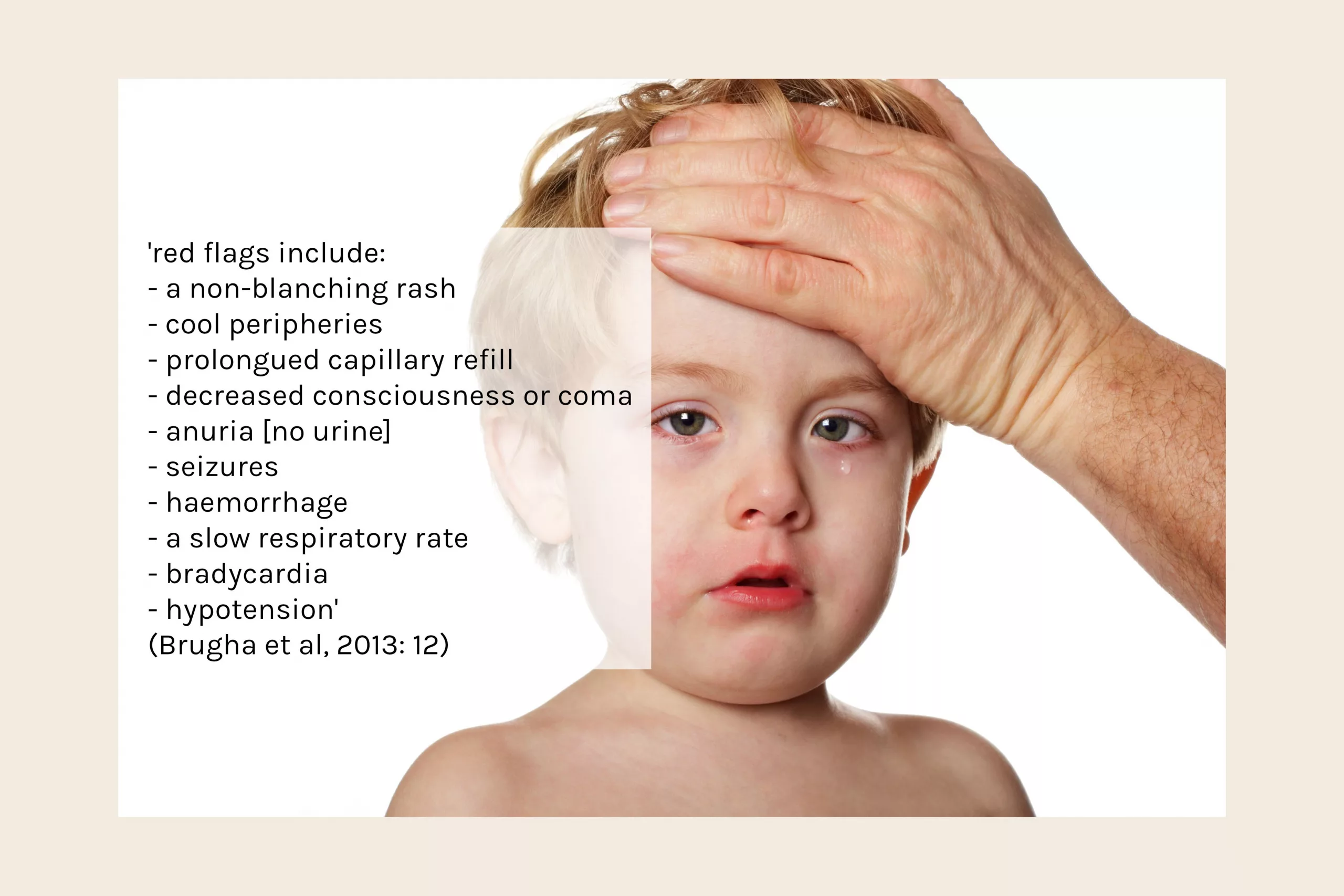
    What red flags need to be looked out for in a child?


    Reference

    Bruga, R. et al. 2013. Paediatric Clinical Examination, London: JP Medical Ltd

  • Fare Warning: The Decompensating Child

    Fare Warning: The Decompensating Child

    ‘Children are able to maintain their blood pressure through physiological compensation mechanisms in the early phases of serious illness, and the early signs of illness may be quite subtle. […] Once a child decompensates, he or she can collapse extremely quickly’ (Brugha et al, 2013: 11).

    Reference:

    Brugha, R. et al (2013) Paediatric Clinical Examination, London: JP Medical Ltd

  • What is a section?

    What is a section?

    [tabby title=”1) What is a section?” open=”yes”]

    A sectioning order is legislation powers given to health care professionals and police officers under the Mental Health Act’s of 1983 and 2007 that allow for compulsory admission of an individual to hospital or a place of safety. These are enacted if a patient is judged to have a mental disorder that is sufficiently severe to require treatment for said disorder or to remove a person to a place of safety who could be at risk of being a danger to themselves or the public.


    References:

    • Crown Copyright (1983) Mental Health Act 1983 [online]. Available at: http://www.legislation.gov.uk/ukpga/1983/20/contents (Accessed 21/07/17) (amended by the Mental Health Act 2007)
    • J. Collier, M. Longmore, T. Turmezel and A. R. Mafi. Oxford Handbook of Clinical Specialties, 8th edition, Oxford University press, 2008, pp: 398-401

    [tabbyurl title=”2. Who Can Enforce a Sectioning Order?” url=”https://article999.co.uk/can-enforce-sectioning-order” indicator=”ext”]

    [tabbyurl title= “3. What are the main sections used for?” url=”https://article999.co.uk/main-sections-used” indicator=”ext”]

    [tabbyending]


  • What are the paramedic drugs and doses for adult ALS?

    What are the paramedic drugs and doses for adult ALS?


    Created using Visme. An easy-to-use Infographic Maker.

    Association of Ambulance Chief Executives (AACE), 2016. UK Ambulance Services Clinical Practice Guidelines 2016, Bridgwater: Class Professional Publishing


  • Where do you insert the cannula in Needle Cricothyroidotomy?

    Where do you insert the cannula in Needle Cricothyroidotomy?

    Or:
    – What are the landmarks for Needle Cricothyroidotomy (Needle Cric)?

    The cannula should be inserted ‘into the trachea via the cricothyroid membrane’ (Gregory & Mursell, 2010: 28).

    (more…)