Created using Visme. An easy-to-use Infographic Maker.
Association of Ambulance Chief Executives (AACE), 2016. UK Ambulance Services Clinical Practice Guidelines 2016, Bridgwater: Class Professional Publishing
Created using Visme. An easy-to-use Infographic Maker.
Association of Ambulance Chief Executives (AACE), 2016. UK Ambulance Services Clinical Practice Guidelines 2016, Bridgwater: Class Professional Publishing


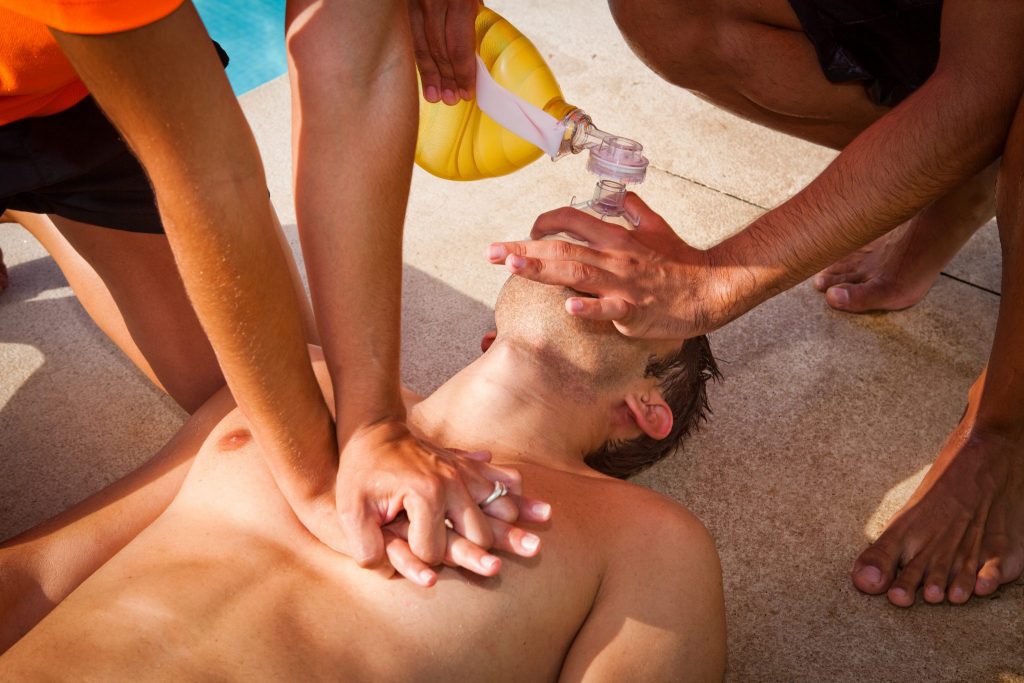
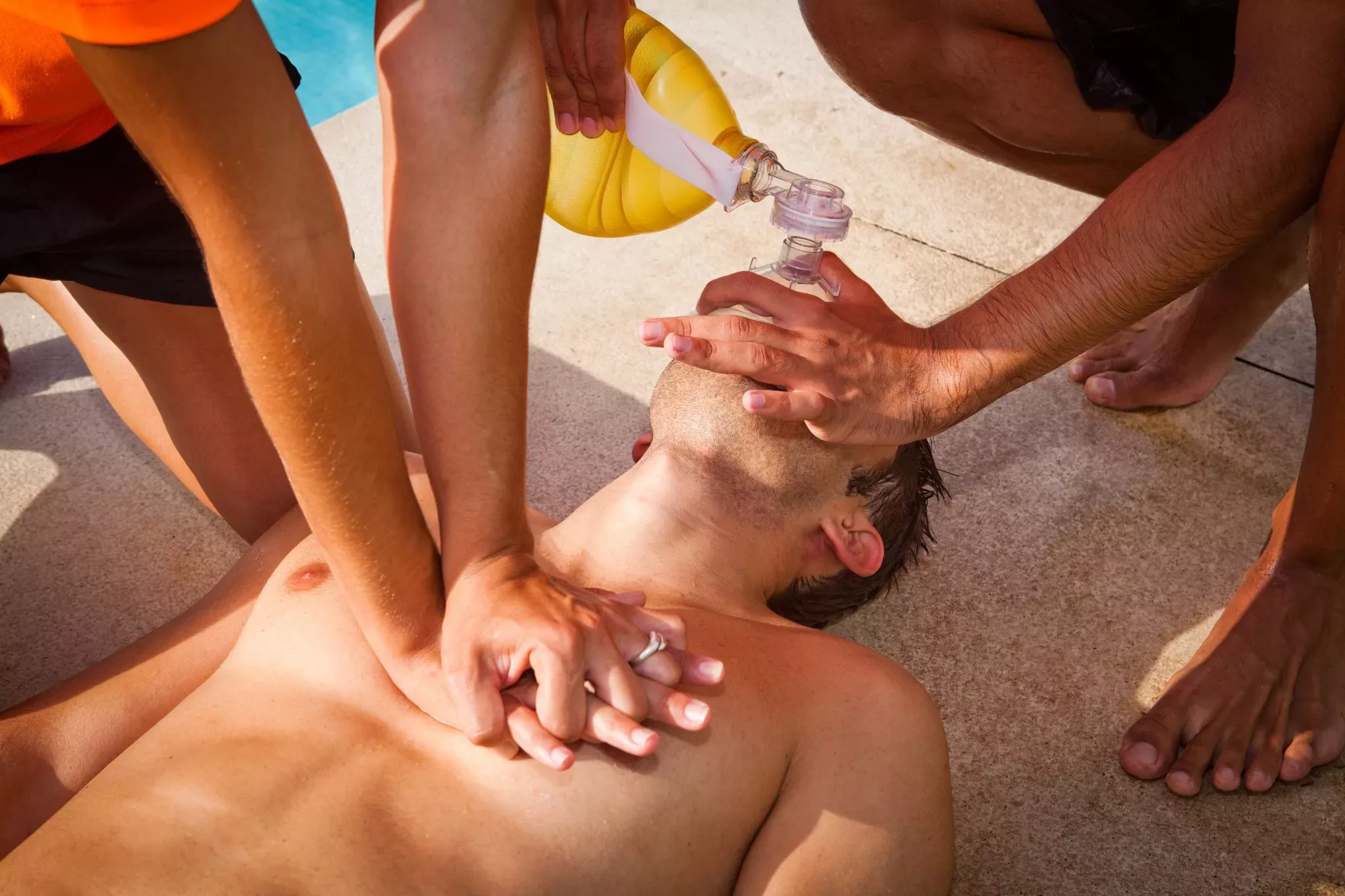
According to research by Khosraven et al (2015) one of the main disadvantages of an OP airway is that its length, shape & lack of an inflatable cuff may cause oxygen to leak, leading to less oxygen than we might hope for entering the patient’s lungs.
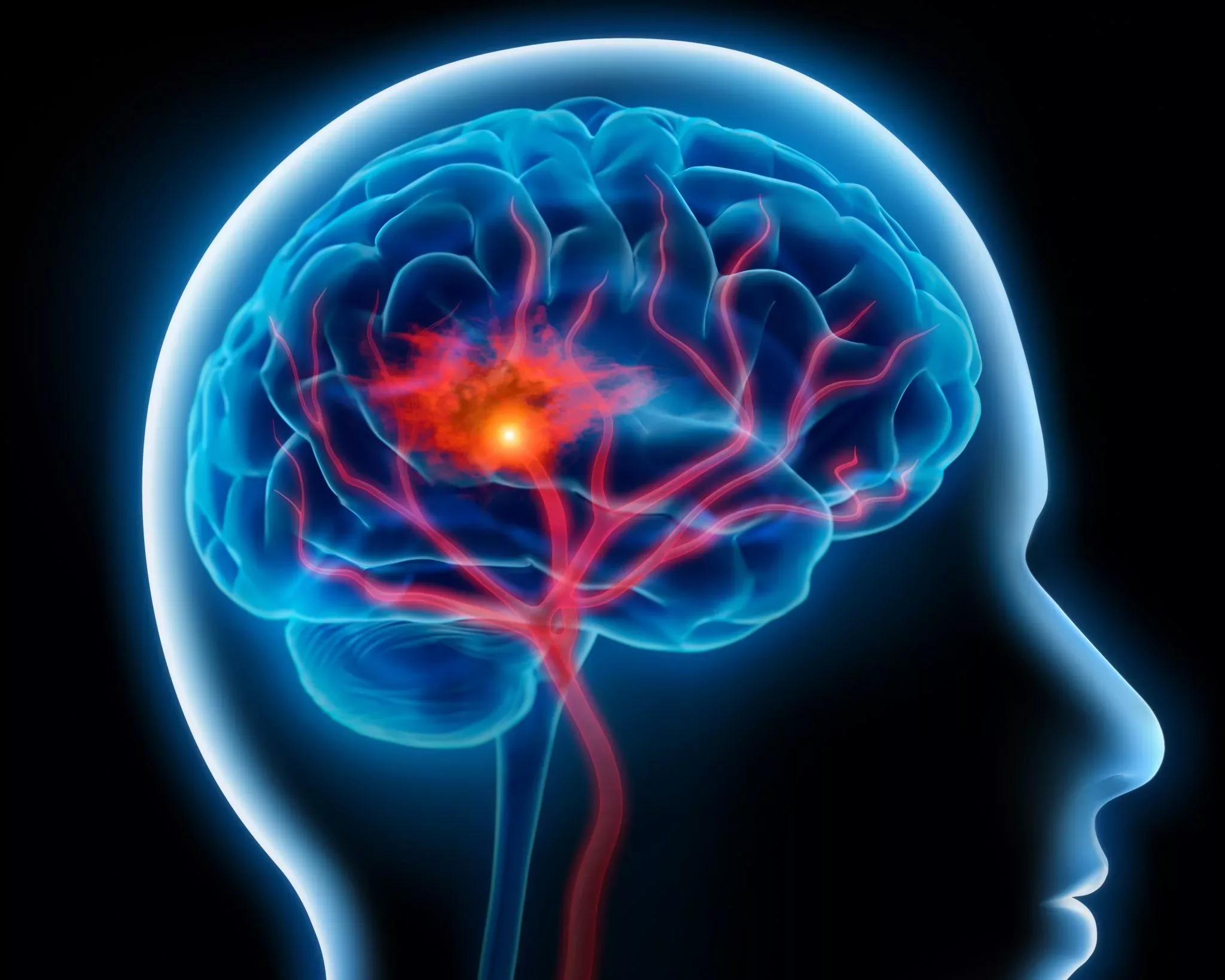
These are strokes that are caused by a blockage in the blood flow to the brain. They may be treated with thrombolysis if not contra-indicated

Or:
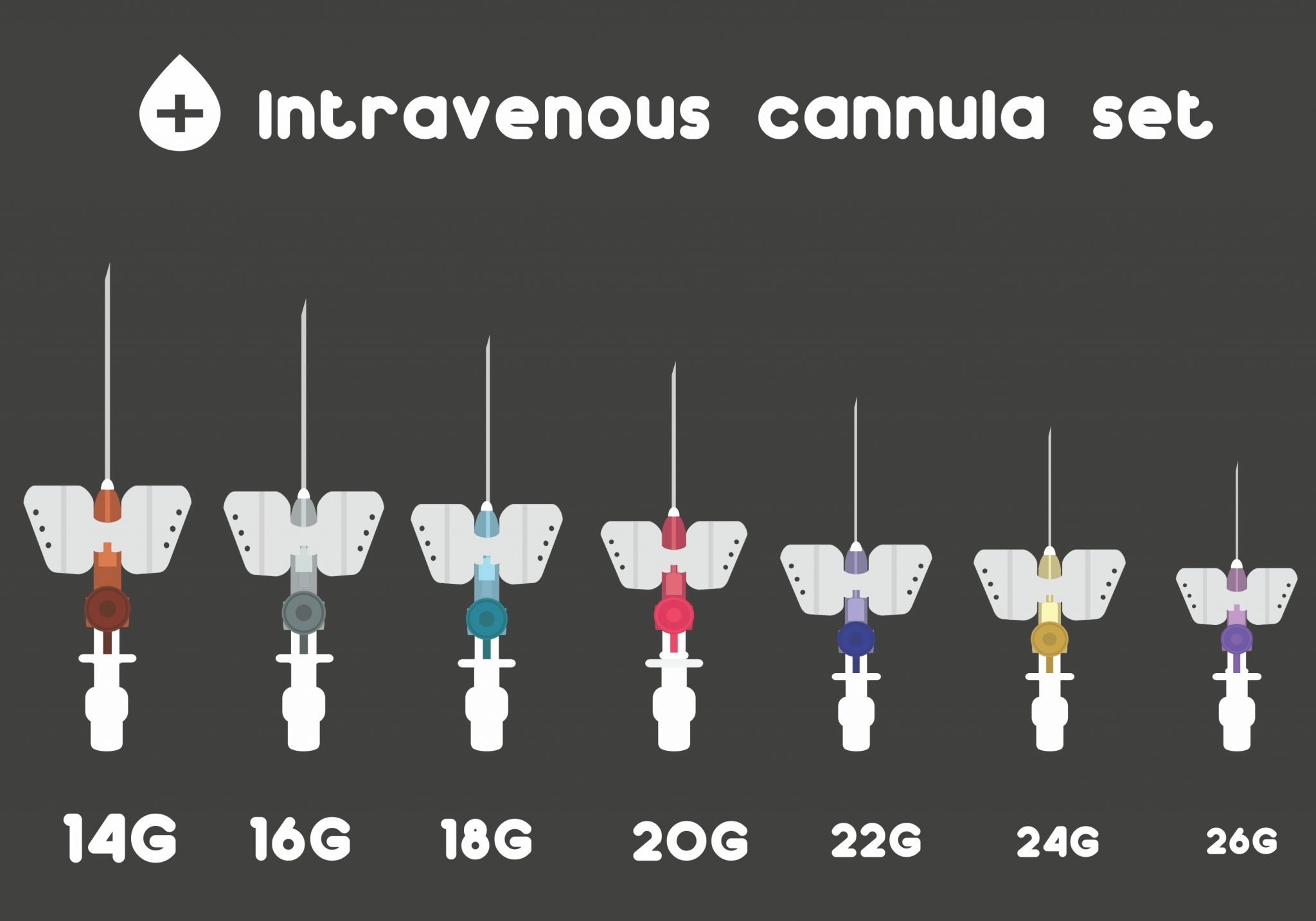
– What are the landmarks for Needle Cricothyroidotomy (Needle Cric)?
The cannula should be inserted ‘into the trachea via the cricothyroid membrane’ (Gregory & Mursell, 2010: 28).

If the person cannot:
‘understand the information relevant to the decision’
‘retain that information’
Remember, the person only needs to retain this information long enough to decide
‘use or weigh that information as part of the process of making the decision’
‘communicate his decision’
A person may communicate verbally or non-verbally. So long as he is able to get the information across, he can communicate.
…You might be able to say that he lacks capacity…
(Crown Copyright, 2005)
…But make sure you address the information below first
Or:
How do you decide if someone has capacity?
Crown Copyright (2005) Mental Capacity Act 2005, Available Online: http://www.legislation.gov.uk/ukpga/2005/9/part/1

This content has been summarised and quoted directly. The opinion or interpretation of this writer should not be evident. The reference is in accordance with the Harvard system. You must read the full disclaimer (link below) before putting into place anything you see here.
Also: What can cause adult disability?
According to Haran et al (2016), ‘Stroke is the third most common cause of death and largest cause of adult disability’
Haran et al, 2016, ‘Hyperacute stroke unit training for paramedics’, Journal of Paramedic Practice, Vol. 8. No. 10
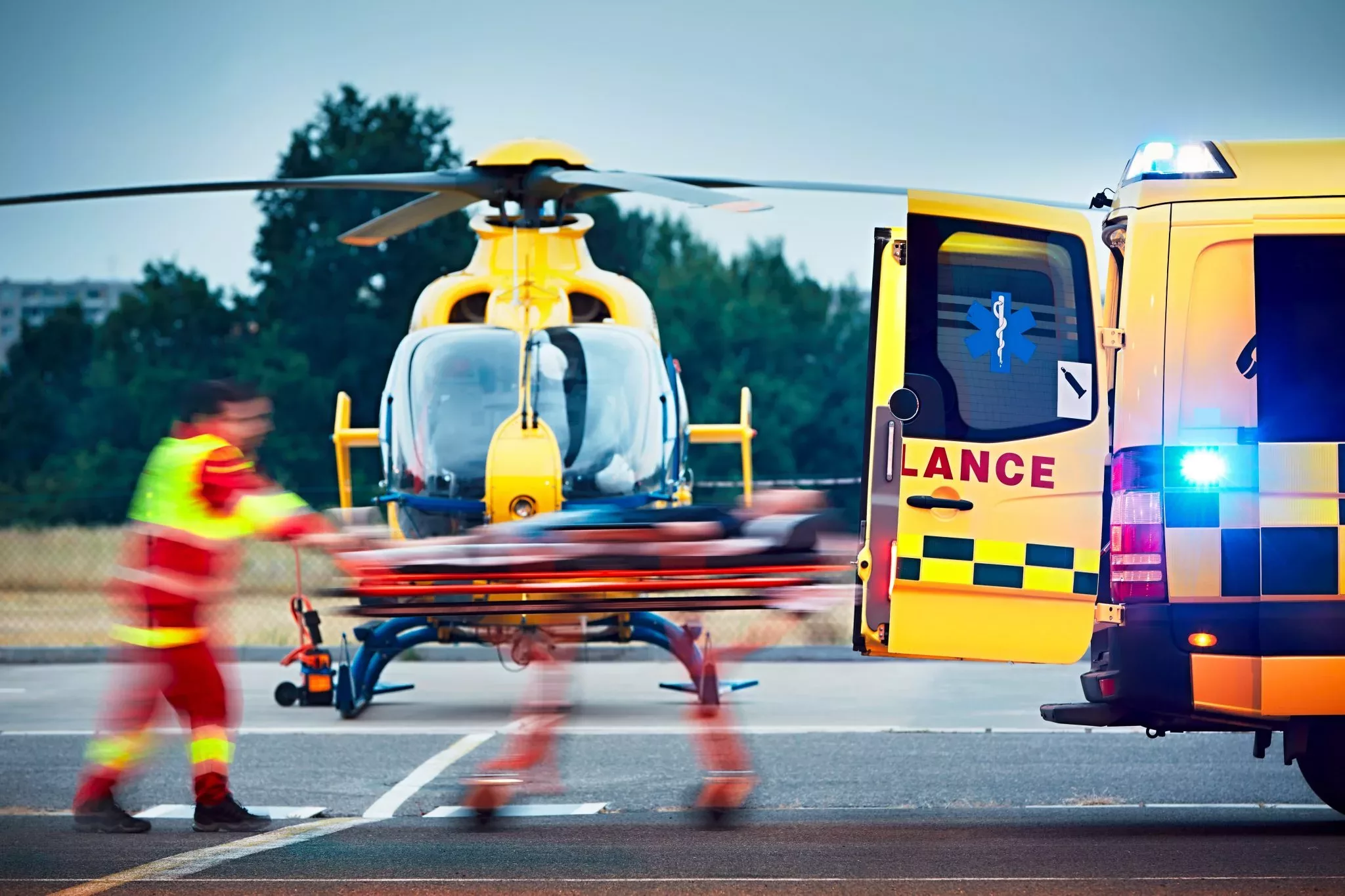
‘Trauma is the acute physiological and structural change that occurs in a patient’s body when an external source of energy dissipates faster than the body’s ability to sustain and dissipate it (Pilbery, 2014). Major trauma is seen as the most common cause of loss of life under 40 years of age’ (Elms and Harris, 2016: 151)
Elms, S. and Harris, G. (2016) ‘Trauma Assessment’ in A.Y. Blaber and G. Harris (Ed), Assessment Skills for Paramedics, 2nd edition, New York: Open University Press