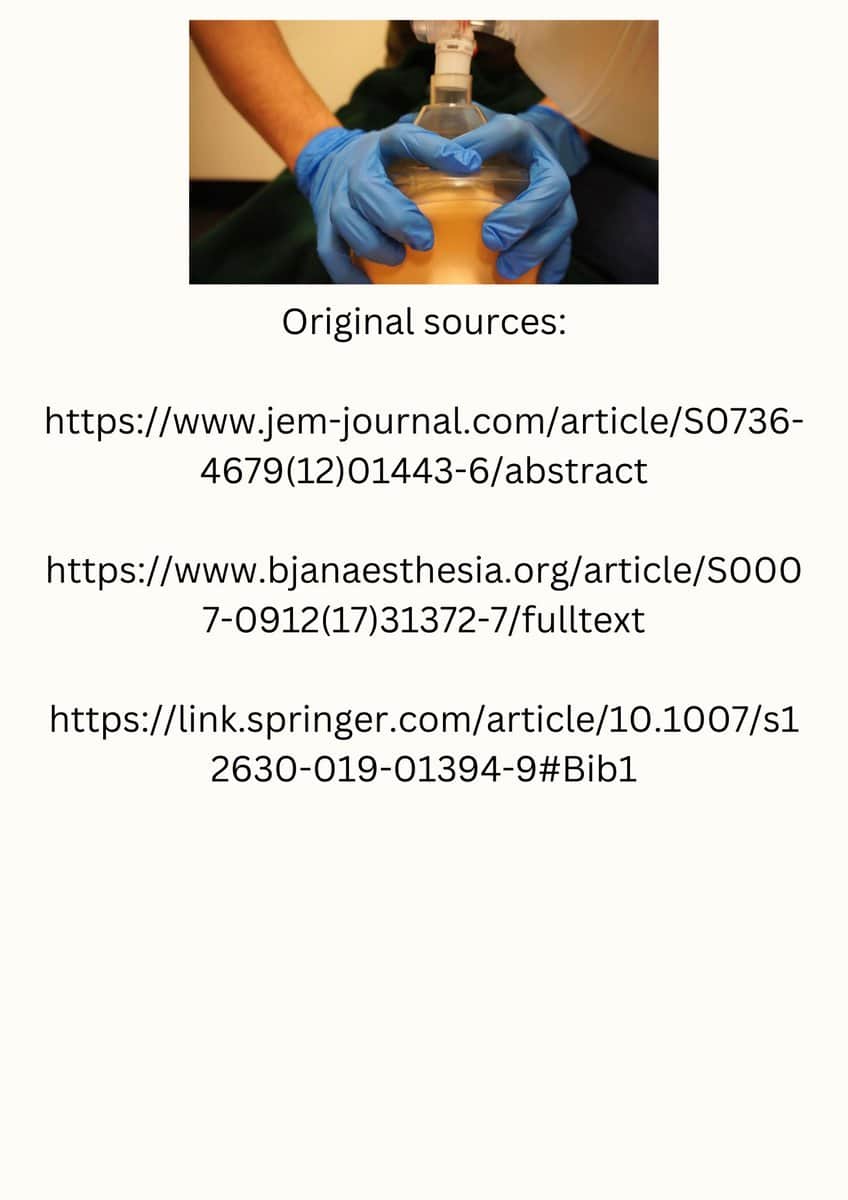

Please note, these notes are not exhaustive and are by no means a replacement for studying the course manual.
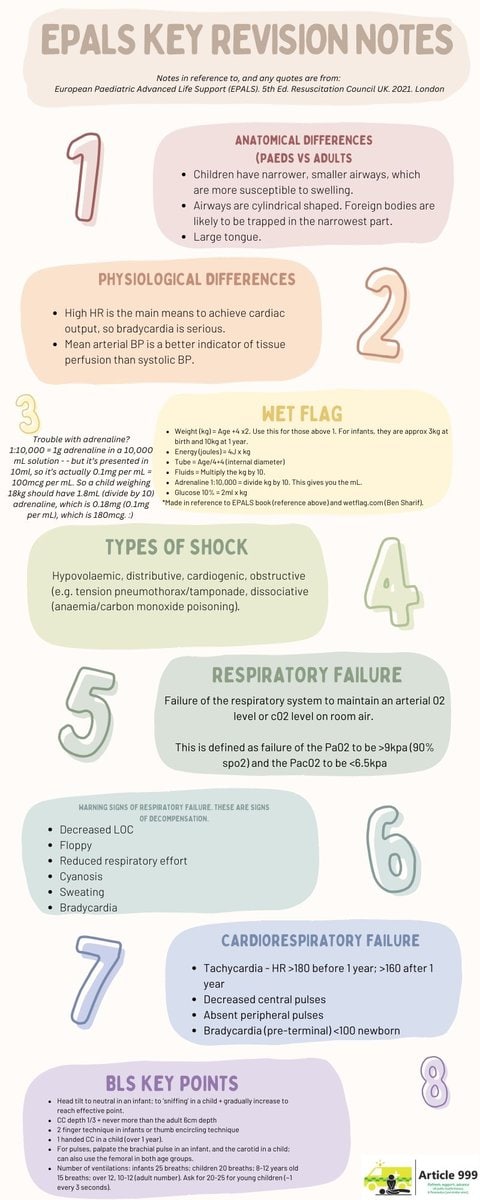
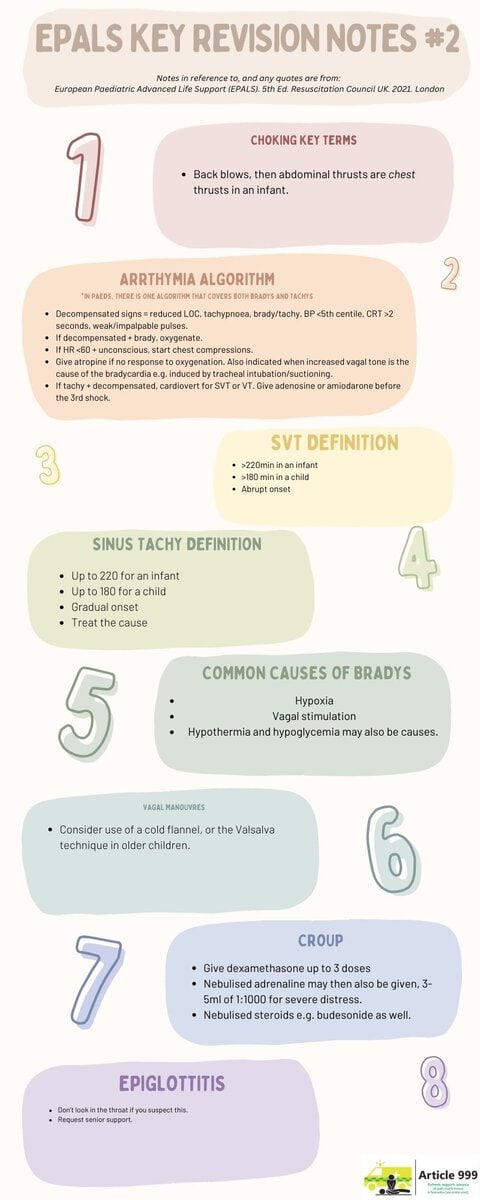
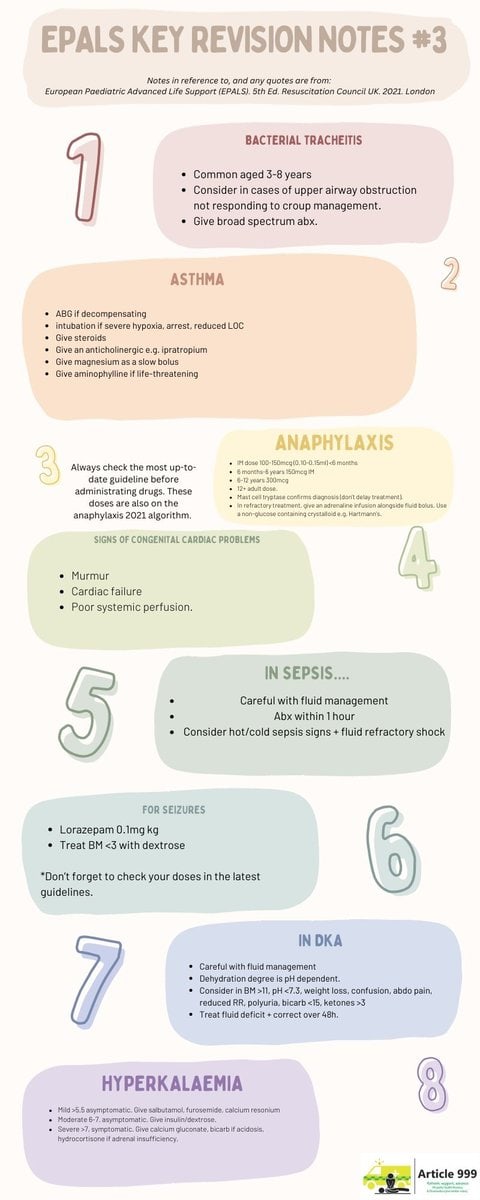

In your stable patients with lacerations, who do not have any urgent or troublesome A-D problems and who have not sustained injury through any great mechanism, what else should you be looking for in your assessment of their injury? What are the risk factors, according to different guidelines or authors?
While some of these elements may not be enough to refer a patient to secondary care on their own, they should help to increase your risk assessment during safe discharges. In combination, many of these factors should raise flags.
| Depth | Size | Risk Factors | Area |
|---|---|---|---|
| There is limited evidence regarding the depth of wounds. The emphasis is on the structures that deep wounds would impact. For example, vascular damage, and nerve, tendon, or bony injuries (NICE, 2021). | More than 5cm (NICE, 2021). | Two or more of: – Malaise – Fever – Rigors – Contamination of site with body fluids, soil, faeces, or/and pus. – Patient older than 65 years – Diabetes – Jagged wound edges – Signs of tetanus (NICE, 2021) | Any of: – Face – Palm – and there is a potential infection. – Joint with cellulitis. (NICE, 2021). |
| Contamination from unknown object (e.g. knife/glass) (NICE, 2021). | |||
| Presence of necrotic tissue or slough, which could delay healing. Granulation tissue can also delay wound healing, but all can be prevented with appropriate dressings (Wilson, 2012: 11). | |||
| Wounds older than 24 hours (Newman and Mahdy, 2021). | |||
| Bites (Newman and Mahdy, 2021). |
Have you found more, or would you like to add some from your own experience? Add these in the comments below, and let us know what you think about this post.
References
Newman, R.K. and Mahdy, H. (2021) ‘Laceration’, Treasure Island. Available at: https://www.ncbi.nlm.nih.gov/books/NBK545166/ (Accessed 18/11/2021)
NICE. (2021). Lacerations. Available at: https://cks.nice.org.uk/topics/lacerations/ (Accessed 18/11/2021).
Wilson, M. (2012) ‘Understanding the basics of wound assessment’. Wounds Essentials. 2. Pp. 8-12. Available at: https://www.wounds-uk.com/resources/details/wound-essentials-72-understanding-the-basics-of-wound-assessment (Accessed 28/12/2021).

Welcome to a brand new resource containing a searchable collection of charities and companies providing support, information, tools, equipment, food banks and more! Categorised by health condition, circumstance or age group and available for all patients in the UK, we hope you can find useful preventative and supportive help when you need it. This is also available for health-care professionals looking for referral tools and CPD.
The information below has been collated by Article 999’s Founder Louise, along with some help from contributors. Within each category are charities or companies that provide services or equipment that can help you. Please see the ‘date added’ to be certain how up-to-date the information is. Please add comments below, like, and share to let us know what you think and if there are any other charities you would like to see listed here.
This information will be added to. Article 999 is currently not endorsed by any of the charities or companies listed below. If you are a charity and would like to see your posters beside your information, or if you would have any queries, please get in touch by emailing article999uk[at]gmail[dot]com.
HCPs, please do share this with your patients and use the information to enhance your referrals. Some entries below include CPD links for you as well as information for your patients.
Rate this:
| Sign, symptom, or condition | Sign of, and Treatment | Reference |
| Sunken eyes | Dehydration; Patient may need referral to Doctor or urgent rehydration, depending on severity. Patient may benefit from blood tests | Johnson and Smith, 2012: 94. |
| High NEWS2 Score | Sepsis; patient may need antibiotics and emergency treatment | Royal College of Physicians, 2017 |
| Covid-19 | The diarrhoea could be a sign of deterioration, but the evidence for this is weak | Amico et al, 2020 |
| Female and increased age | Increased risk of dehydration | Rowat et al, cited in Sweetser, 2012 |
| Heart or kidney failure; take steroids | Increased risk of overhydration; patient may require emergency treatment | Sweetser, 2012; WHO, 2021. |
| Dizziness | Dehydration; patient may require urgent rehydration | Sweetser, 2012; WHO, 2021 |
| Confusion; seizures | Dehydration or overhydration; electrolyte imbalances; patient may require emergency treatment and urgent rehydration | Sweetser, 2012; WHO, 2021 |
| Type 2 Diabetes; metformin | Metformin can cause the symptoms; diabetes is a risk factor due to potential difficulties managing the condition | Johnson and Smith, 2012: 96 |
| Immunosuppressed | Risk of deterioration | Johnson and Smith, 2012: 96 |
| Bowel disease such as ulcerative colitis or diverticulitis | May indicate more severe illness | Johnson and Smith, 2012: 96 |
| Blood in stools | May be an indication of abdominal bleeding | Johnson and Smith, 2012: 96 |
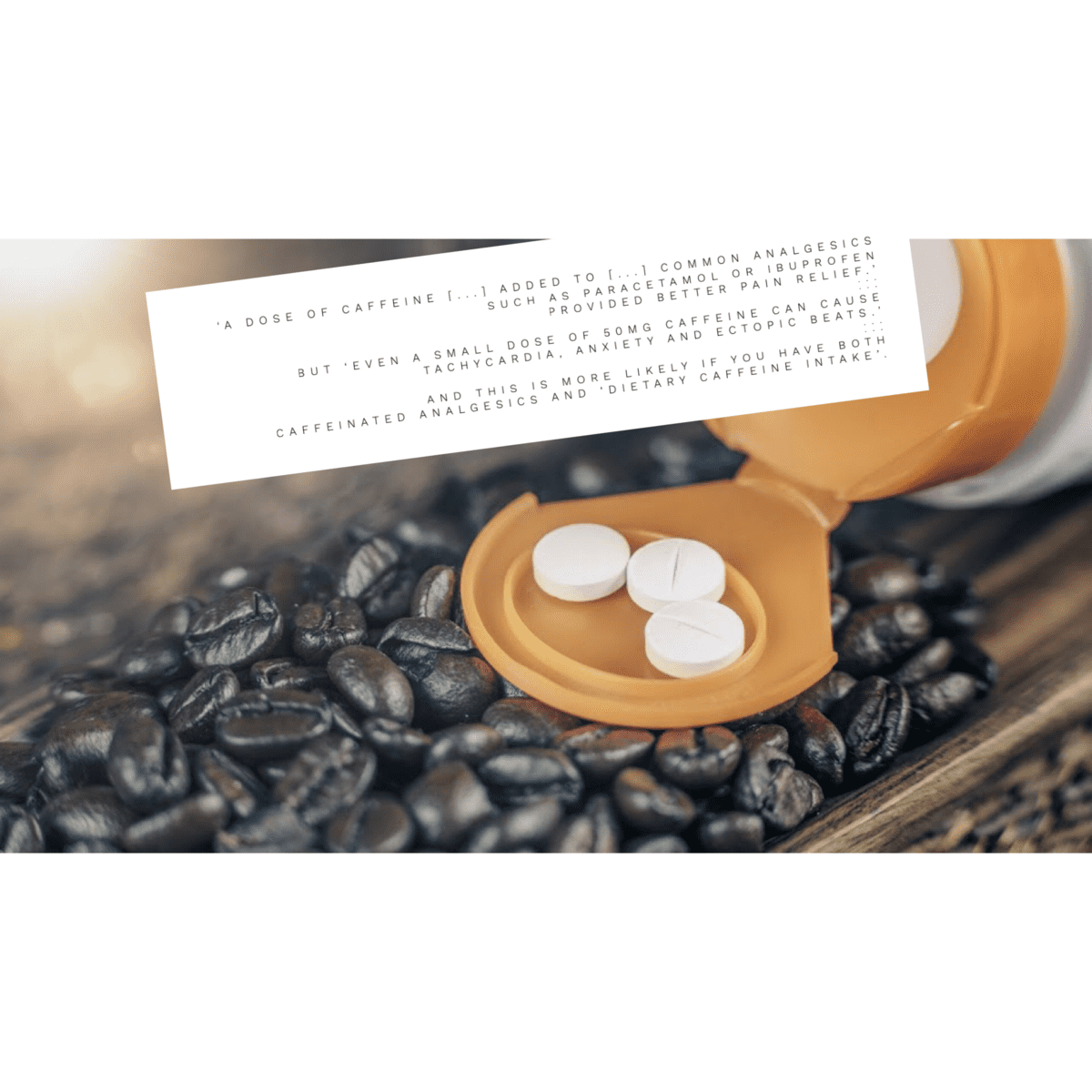
Many of our patients have high temperatures, especially during COVID outbreaks. Some of them are taking over the counter pain relief as required. This is of course recommended, however many of our patients are also tachycardic due at least in part to their high temperatures. When they complain of palpitations, do they need to be aware of the effects of caffeine-paracetamol combinations? Should they be taking this combination at all, or should they simply ease off dietary sources of caffeine while taking analgesics? Here are a few quotes on the subject for discussion. Full references are below. For a fast fact summary, have a look at the featured image below:

A dose of caffeine equivalent to a mug of coffee added to a standard dose of common analgesics such as paracetamol or ibuprofen provided better pain relief. Analgesic plus caffeine increased the number of people who had a good level of pain relief by 5% to 10% compared with analgesic alone
Derry et al, 2014.
When the recommended paracetamol-caffeine dosing regimen is combined with dietary caffeine intake, the resulting higher dose of caffeine may increase the potential for caffeine-related adverse effects such as insomnia, restlessness, anxiety, irritability, headaches, gastrointestinal disturbances and palpitations.
EMC, 2017
Even a small dose of 50 mg caffeine can cause tachycardia, anxiety and ectopic beats. Toxicity is normally seen at doses > 500 mg, but this depends on tolerance.
Take into account dietary and other medicinal sources of caffeine: people may not be aware from the brand name that a particular preparation contains caffeine. Consider whether paracetamol with caffeine is necessary: it cannot be assumed that it will be tolerated in the same way as paracetamol alone.
NPS MedicineWise, 2010
Derry, C.J. et al, 2014. Caffeine as an analgesic adjuvant for acute pain in adults. [online] Available at: https://www.cochrane.org/CD009281/SYMPT_caffeine-analgesic-adjuvant-acute-pain-adults (Accessed 21/01/21)
EMC, 2017. Paracetamol & Caffeine 500/65 mg Effervescent Tablets. [online] Available at: https://www.medicines.org.uk/emc/product/7416/smpc#gref (Accessed 21/01/21)
NPS MedicineWise, 2010. Paracetamol with caffeine (Panadol Extra) available over the counter from pharmacies. [online] Available at: https://www.nps.org.au/radar/articles/paracetamol-with-caffeine-panadol-extra-available-over-the-counter-from-pharmacies (Accessed 21/01/21)
A Biology (basics) post.

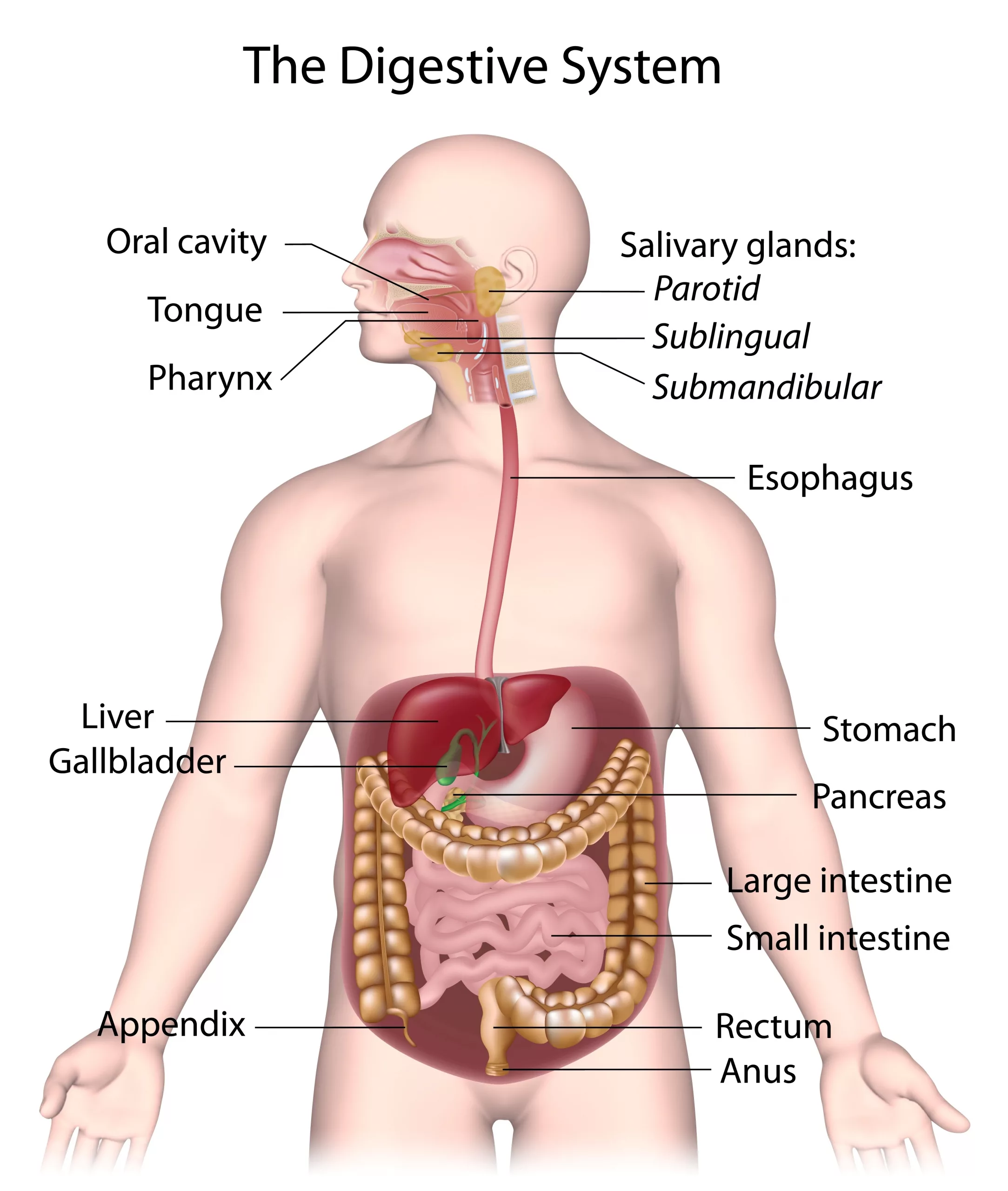
‘The human digestive system consists of the alimentary canal [the gut] and its associated glands, the salivary glands, the liver and the pancreas. The alimentary canal begins at the mouth and ends at the anus. Between the two openings is a long convoluted tube organised into several distinct regions.’
(Boyle and Senior, 2008: 131).

The Short Answer
The digestive system is:
the ‘alimentary canal and its associated glands, the salivary glands, the liver and the pancreas.’ (Boyle and Senior, 2008: 131)

The Extended Answer
Within the alimentary canal are:
(Boyle and Senior, 2008: 130-131)
The digestive system is therefore consisted of all of the above as well as the liver ‘and its adjuncts – the gallbladder and bile ducts’ (Keeton et al, 2020), pancreas, and the salivary glands.

Of course, each component has its own functions and parts. As such, this answer could be extended even further.
References
Boyle, M. And Senior, K. 2008. Human Biology, Third Edition, Collins: London
Collison, P. et al, 2001. Nelson Modular Science 1, Nelson Thornes: Cheltenham
Keeton, W.T. et al, 2020. Human Digestive System, Available Online: https://www.britannica.com/science/human-digestive-system (Accessed 13/09/20)