Or:
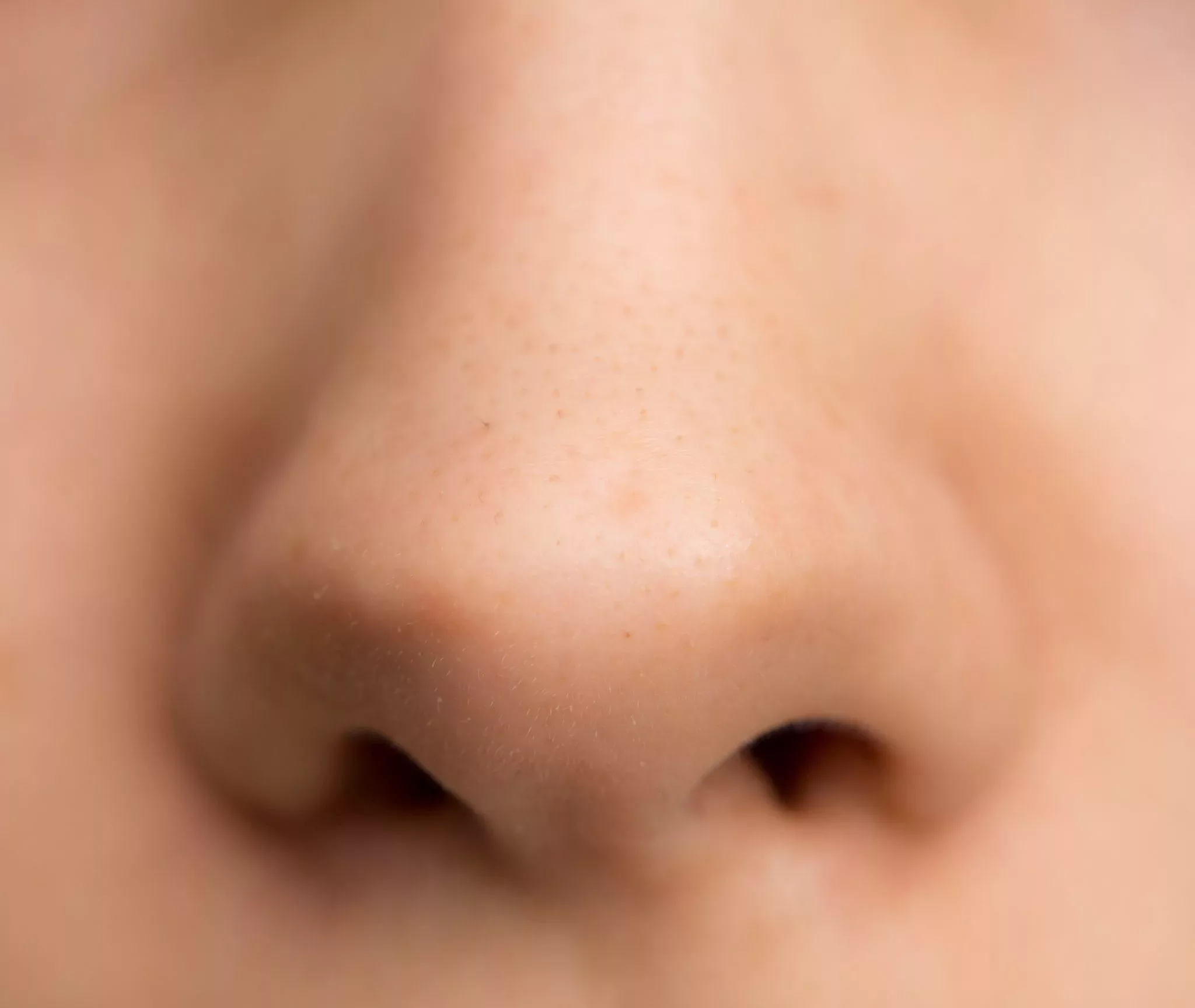
When do you use a nasopharygeal airway?
‘…in the presence of trismus, an intact gag reflex, or oral trauma’ (Gregory & Mursell, 2010: 7)
Gregory, P. and Mursell, I. (2010) Manual of Clinical Paramedic Procedures, Sussex: John Wiley & Sons
Or:
When do you use a nasopharygeal airway?
‘…in the presence of trismus, an intact gag reflex, or oral trauma’ (Gregory & Mursell, 2010: 7)
Gregory, P. and Mursell, I. (2010) Manual of Clinical Paramedic Procedures, Sussex: John Wiley & Sons
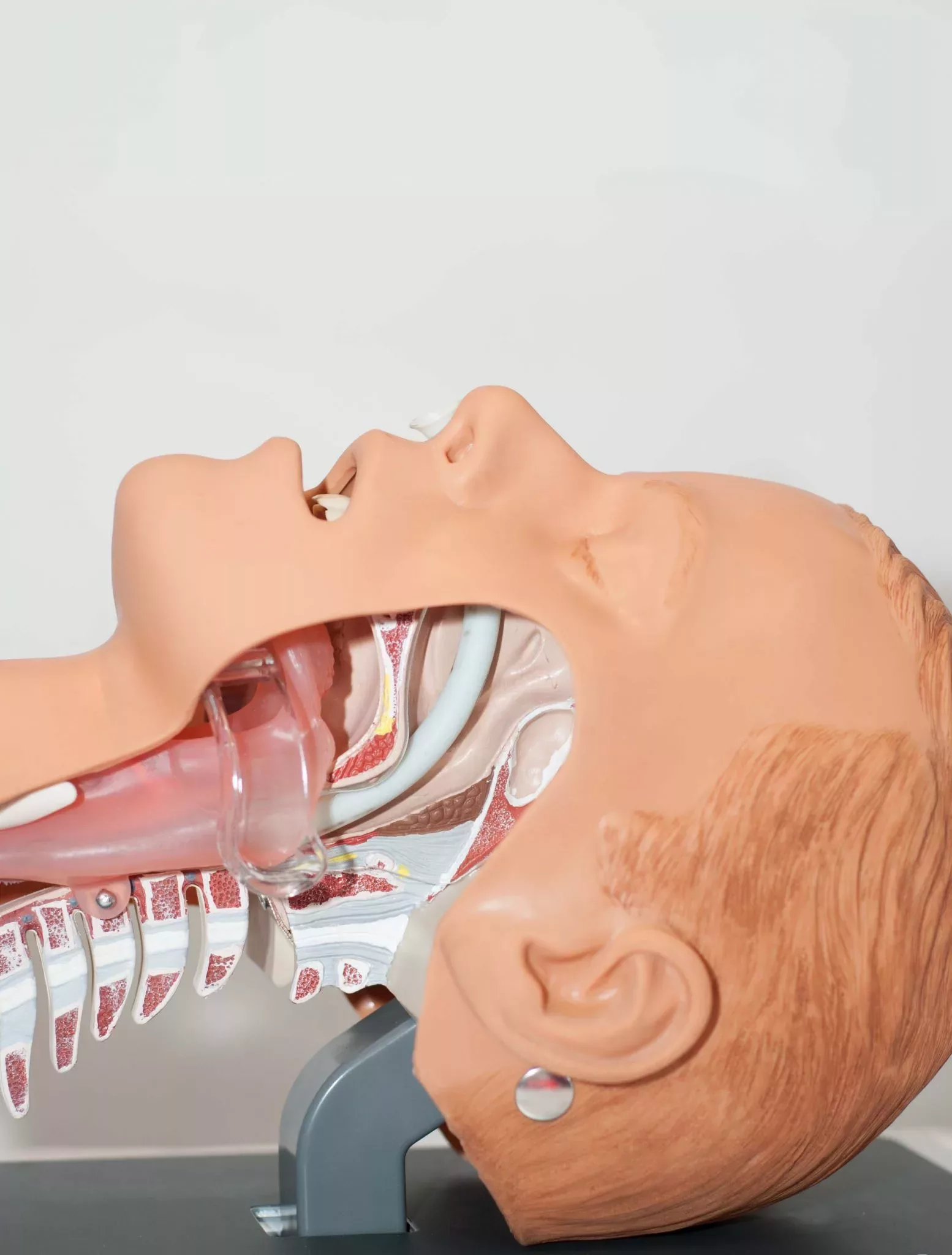
These ‘may occur at any level from the nose to the trachea’ but are commonly found ‘at the level of the pharynx’ (Gregory & Mursell, 2010: 2)
Gregory, P. and Mursell, I. (2010) Manual of Clinical Paramedic Procedures, Sussex: John Wiley & Sons
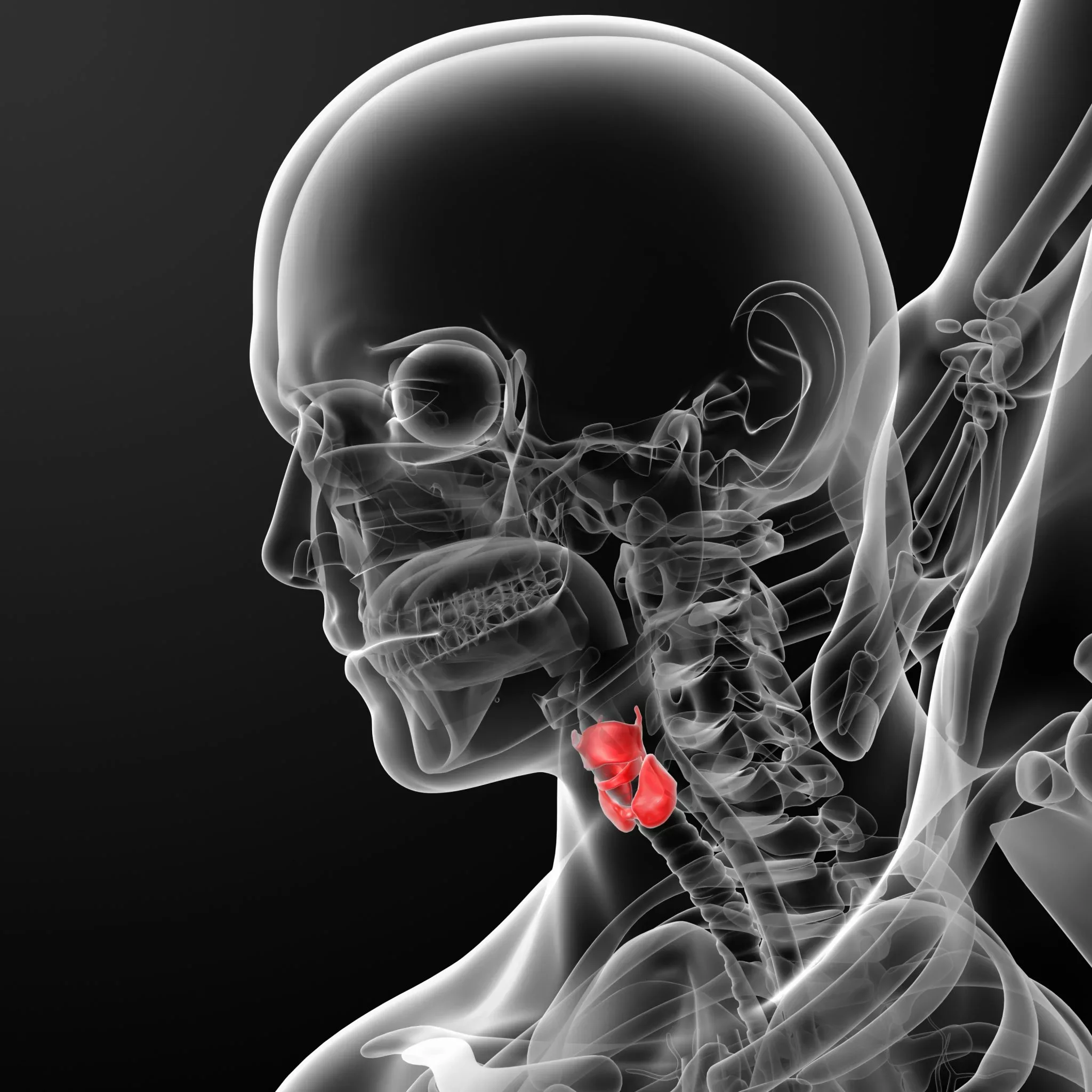
(Gregory & Mursell, 2010: 2)
Gregory, P. and Mursell, I. (2010) Manual of Clinical Paramedic Procedures, Sussex: John Wiley & Sons

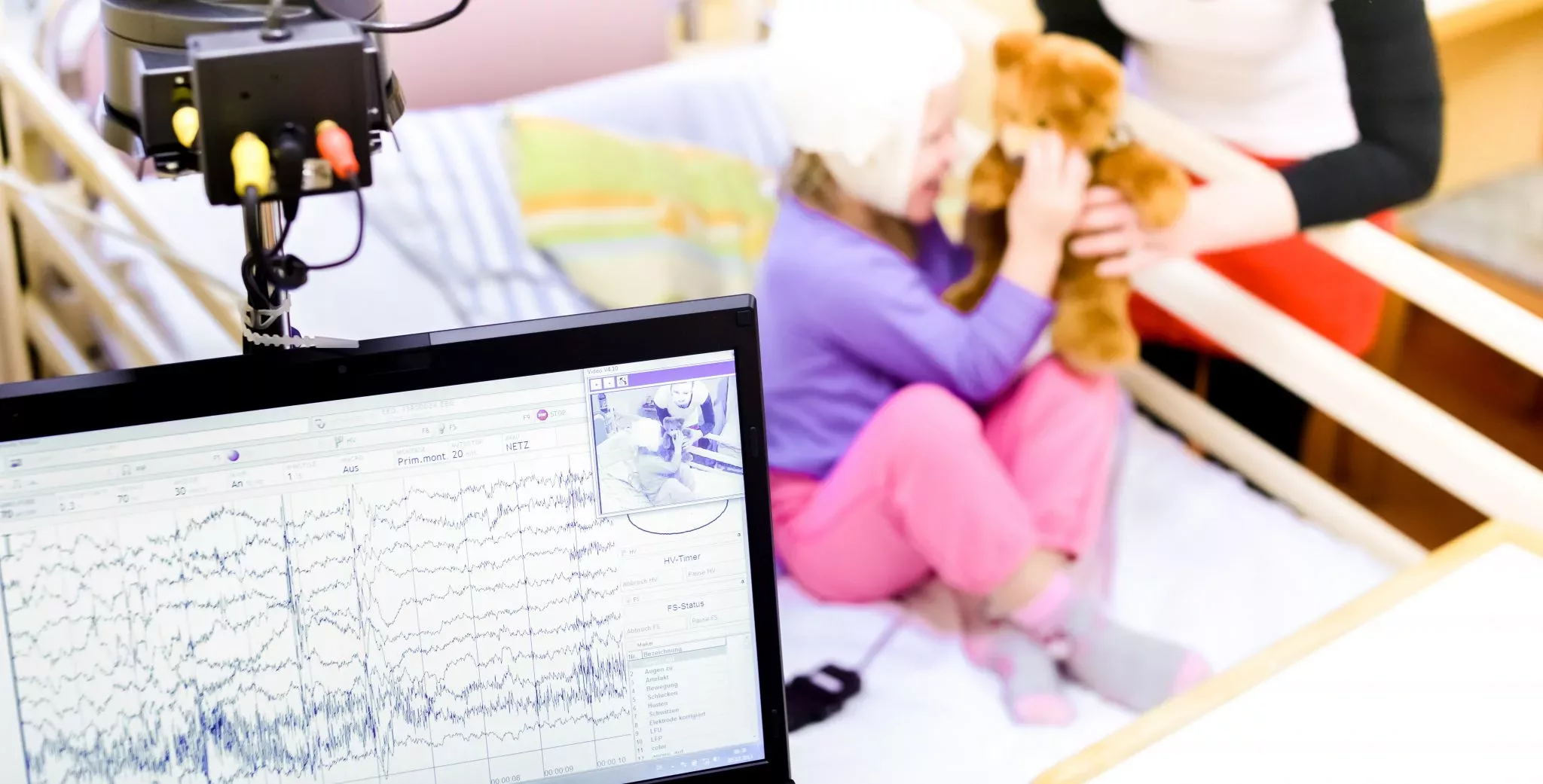
‘The presence of anaemia or neurological conditions, such as cerebral palsy, also increases the risk of febrile convulsions’ (Sharp, 2016, ‘Management of febrile convulsions within the pre-hospital environment’, Journal of Paramedic Practice, Vol. 8, No. 9, pp. 447-451
Other risk factors listed in the same article:
(Sharp, 2016: 447)

The purpose of these posts is to summarise expert knowledge to provide quick and simple answers to simple questions. These posts do not intend to replace the benefits of reading the entire referenced article. If this is your topic of interest, read more by following the links or references listed.
Or:
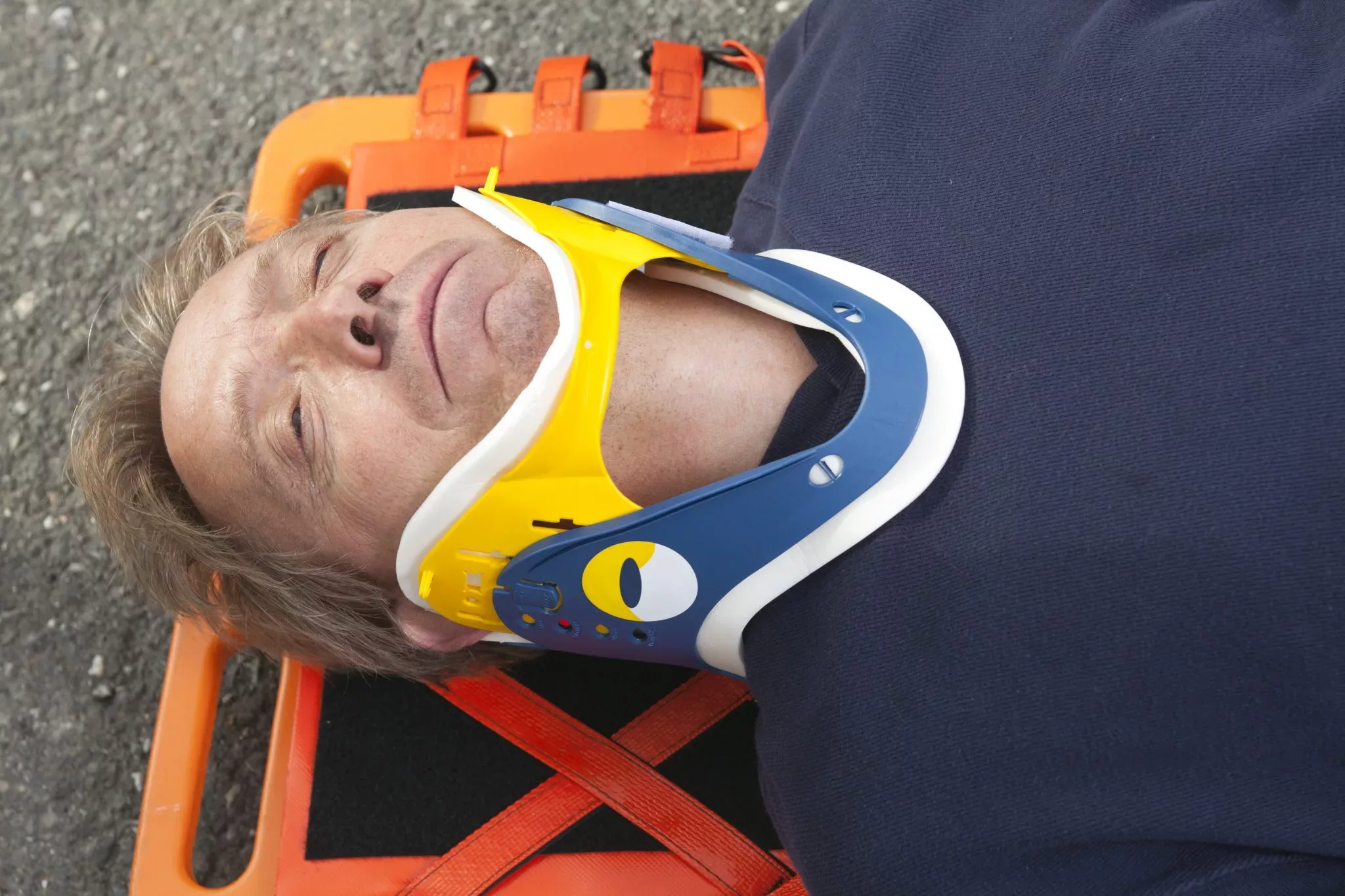
What are the arguments for and against cervical collars?
What are the disadvantages of cervical collars?
Why use cervical collars?
This is a ‘debate which has rumbled on for several years and still appears to have no definitive solution in sight’; there is minimal evidence supporting using collars in all situations; the negative effects in discussion at current range ‘from raising intracranial pressure, to restricting the airway and having a negative impact on respiration’
Source: Thomas, A. (2016) ‘Trauma Care Conference considers expanding role of paramedics in subspecialty’, Journal of Paramedic Practice, Vol. 8, No. 6, pp. 278-279

More info coming soon. Watch this space
