Category: Choose post format

  • What is a section?

    What is a section?

    [tabby title=”1) What is a section?” open=”yes”]

    A sectioning order is legislation powers given to health care professionals and police officers under the Mental Health Act’s of 1983 and 2007 that allow for compulsory admission of an individual to hospital or a place of safety. These are enacted if a patient is judged to have a mental disorder that is sufficiently severe to require treatment for said disorder or to remove a person to a place of safety who could be at risk of being a danger to themselves or the public.


    References:

    • Crown Copyright (1983) Mental Health Act 1983 [online]. Available at: http://www.legislation.gov.uk/ukpga/1983/20/contents (Accessed 21/07/17) (amended by the Mental Health Act 2007)
    • J. Collier, M. Longmore, T. Turmezel and A. R. Mafi. Oxford Handbook of Clinical Specialties, 8th edition, Oxford University press, 2008, pp: 398-401

    [tabbyurl title=”2. Who Can Enforce a Sectioning Order?” url=”https://article999.co.uk/can-enforce-sectioning-order” indicator=”ext”]

    [tabbyurl title= “3. What are the main sections used for?” url=”https://article999.co.uk/main-sections-used” indicator=”ext”]

    [tabbyending]


  • Who can enforce a sectioning order?

    Who can enforce a sectioning order?

    [tabby title=”2. This tab: Who can enforce a sectioning order?” open=”yes”]

    There are several different types of sectioning orders as listed in the relevant tabs. Each one is used for different purposes, lasts for different lengths of time and can be used by a variety of different health care professionals and police officers. However, not everyone may use every type of order. The following are the sectioning powers available to the following professions:


    Nurses: Section 5 (4)
    Nurses: Section 5 (4)


    Doctors: Section 5 (2)
    Doctors: Section 5 (2)


    Police Officers: Sections 135 and 136
    Police Officers: Sections 135 and 136


    A mental health professional and doctor:
    A mental health professional and doctor:

    Approved mental health professionals (social workers, nurses, psychologists or occupational therapists) and rarely relatives may also put an application in for sections 2, 3 and 4. These all require approval by 1 or more doctors to be carried out.


    References

    • Crown Copyright (1983) Mental Health Act 1983 [online]. Available at: http://www.legislation.gov.uk/ukpga/1983/20/contents (Accessed 21/07/17) (amended by the Mental Health Act 2007)
    • J. Collier, M. Longmore, T. Turmezel and A. R. Mafi. Oxford Handbook of Clinical Specialties, 8th edition, Oxford University press, 2008, pp: 398-401

    [tabbyurl title=”1. What is a section?” url=”https://article999.co.uk/what-is-a-section” indicator=”ext”]

    [tabbyurl title=”3. What are the main sections used for?” url=”https://article999.co.uk/main-sections-used” indicator=”ext”]

    [tabbyending]

  • Article Summary: Maxillofacial Trauma Patient

    Article Summary: Maxillofacial Trauma Patient

    An summary of a Krausz et al (2009) article discussing the importance of effective airway management in the maxillofacial trauma patient and the complexities that such an injury presents. Only points relevant to UK paramedics have been included. For more details, please read the original article. Any additions made by Article 999 are in square brackets [].

    [restabs alignment=”osc-tabs-left” pills=”nav-pills” responsive=”false” tabcolor=”#6ad61d”]
    [restab title=”Full Summary and Reference” active=”active”]

    The Key Points

    • Remember to follow ATLS protocol [and/or your local guidance and JRCALC guidelines]
    • Use cervical spine control along with effective airway management
    • ‘The most common critical care errors are related to airway and respiratory management. Gruen et al studied 25 trauma mortality patients […] [and] found that failure to intubate, secure or protect the airway was […] responsible for 16% of inpatient deaths’ [and that was in a trauma centre, albeit in 1996-2004!] (Gruen et al, 2006)

    Hutchinson et al (1990) (in Krausz et al, 2009) found 6 potential ways maxillofacial trauma might prevent effective airway management.

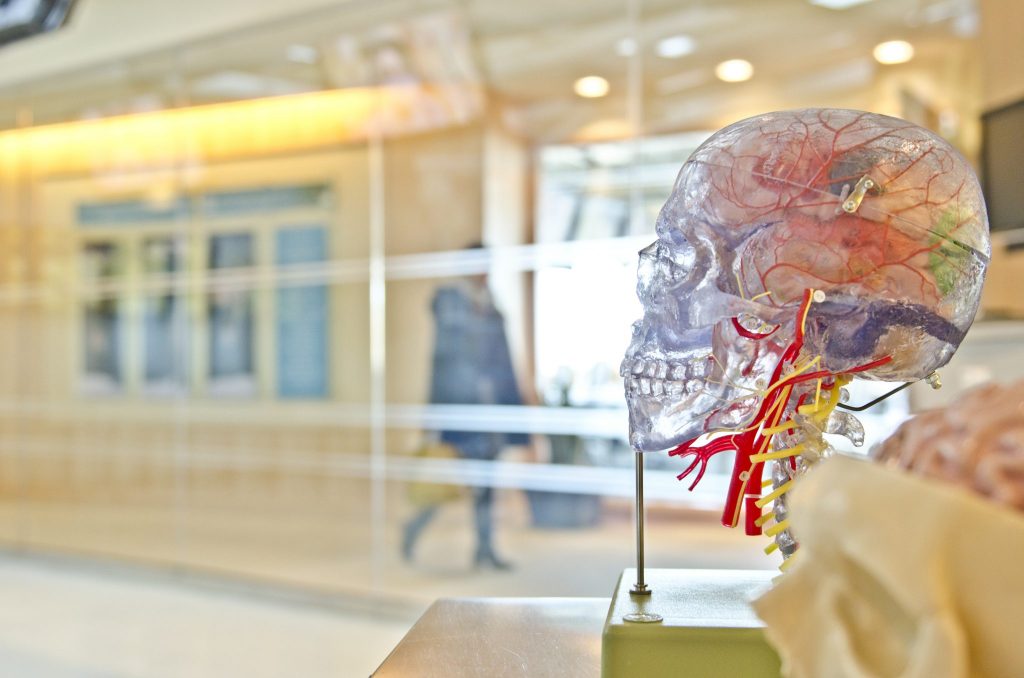
    These, from the top of the head downwards, can be summarised as:

    Head and soft tissue trauma
    – These risk ‘delayed airway compromise’

    Nasal bleeding/open wounds causing obstruction

    Mandible fractures
    – Leading to the tongue to drop back, blocking the oropharnyx
    – Leading to blockage of the nasopharnygeal airway

    Mouth obstructions
    – From loose items & bodily fluids

    Tracheal trauma
    – Leading to swelling and displacement of essential airway structures behind them.

    C-spine injury
    – Leading to the need for “in-line stablization”. This can cause a reduced view during intubation
    – The act of intubating might increase neck movements, potentially worsening this injury

    Stomach
    – [All patients ambulance personnel intubate in the prehospital environment might realistically have a full stomach]
    – Note the risk of regurgitation
    – Consider cricoid pressure – but also consider that this might ‘worsen the larnygeal view’
    – Other tips noted in this section are not relevant to UK paramedics. Please read the full article for more information

    These cause:
    – Difficulties fitting a mask
    – Less ‘efficient air transferring from the mask to the lungs’
    – A ‘difficulty in visualizing the vocal cords’ when intubating due to fluids & obstructions
    Final points

    • Consider all of the above and ‘avoid future complications’. Then address other injuries.
    • Emergency intubation is fraught with risks
    • Consider your expertise and experience. Ensure the trauma patient can access ‘the most experienced personnel’ where possible. This would reduce one of the risks.
    • Ensure prompt treatment
    • Consider the patient’s GCS, breathing level & risk to aid your decision making about transport
    • Check the ‘extent, the composition and the anatomy of the injury’. Is it possible to ventilate with a mask?
    • ‘Is there a limitation in mouth opening? Is that limitation the result of pain’ only? [In a prehospital environment, this may be difficult to ascertain]
    • An LMA may ‘not be suitable for managing trauma patients. However, it could enable ventilating the patient until definitive airway is achieved’

    References

    Gruen, R.L. et al. 2006. Patterns of Errors Contributing to Trauma Mortality: Lessons Learned from 2594 Deaths, Annals of Surgery, 244 (3): 371-380, Available Online:
    https://www.ncbi.nlm.nih.gov/pmc/articles/PMC1856538/

    Krausz, A. et al. 2009. Maxillofacial trauma patient: coping with the difficult airway, World Journal of Emergency Surgery, 4: 21, Available Online: https://wjes.biomedcentral.com/articles/10.1186/1749-7922-4-21

    [/restab]
    [restab title=”Article 999 Super Summary”]

    Remember to follow ATLS protocol [and your local guidelines], use cervical spine control and focus on airway management.

    Head and soft tissue trauma, nasal bleeding or open wounds, mandible fractures, mouth obstructions, tracheal trauma, c-spine injury and the patient’s stomach contents can all make airway management more challenging (Hutchinson et al, 1990 in Krausz et al, 2009).

    Top tips?

    • Consider cricoid pressure but bear in mind it may actually worsen your view during intubation.
    • Ensure rapid transport and treatment of the patient and consider your own expertise.
    • What level of experience do you really need to deal with this patient, who has it, and where are they?
    • The patient’s GCS, breathing level and risk should all support this decision.
    • You can use an LMA, but it’s a time-stop measure [Article 999 interpretation; see full summary].
    • Consider the ‘extent’ of the patient’s injuries and how they are going to make it difficult to use a mask and intubate if required.

    (Krausz et al, 2009)

    [/restab]
    [/restab][/restabs]

  • What are the paramedic drugs and doses for adult ALS?

    What are the paramedic drugs and doses for adult ALS?


    Created using Visme. An easy-to-use Infographic Maker.

    Association of Ambulance Chief Executives (AACE), 2016. UK Ambulance Services Clinical Practice Guidelines 2016, Bridgwater: Class Professional Publishing


  • OP Airways VS LMAs and ETI

    OP Airways VS LMAs and ETI

    Oropharyngeal Airway (Guedel),adjunct used to maintain a patient airway

    According to research by Khosraven et al (2015) one of the main disadvantages of an OP airway is that its length, shape & lack of an inflatable cuff may cause oxygen to leak, leading to less oxygen than we might hope for entering the patient’s lungs.

    (more…)

  • Tell me about the treatment of ischaemic CVAs

    Tell me about the treatment of ischaemic CVAs

    This post refers to treatment in hospital and the potential for future treatment pre-hospitally. Ischaemic CVAs are usually treated with thrombolysis using IV alteplase within 4.5 hours from symptom onset and after a CT scan and diagnosis, but there are new tests and treatments coming out and many other factors to consider.

    (more…)

  • Tell me about ischaemic CVAs

    Tell me about ischaemic CVAs

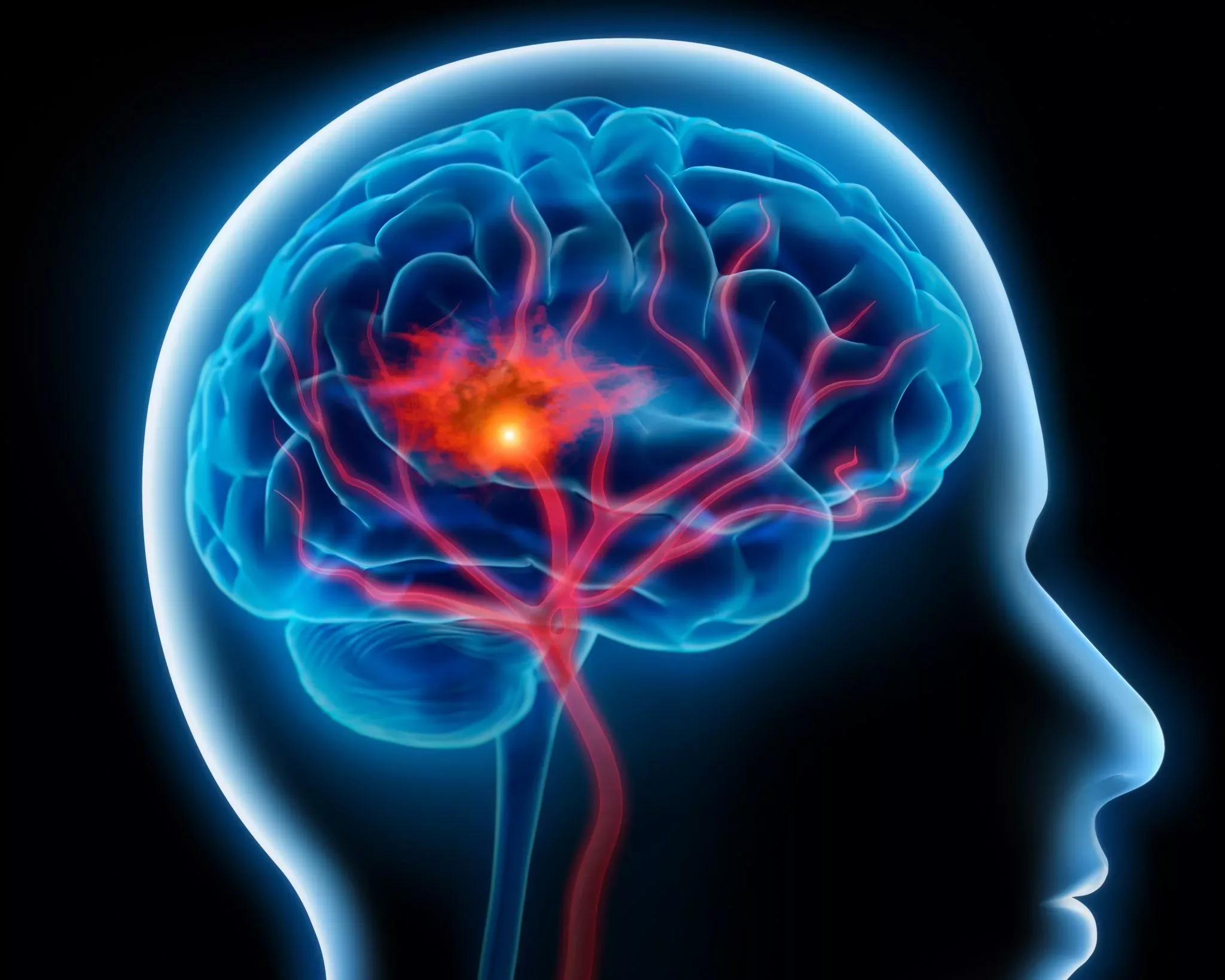
    These are strokes that are caused by a blockage in the blood flow to the brain. They may be treated with thrombolysis if not contra-indicated

    (more…)

  • Where do you insert the cannula in Needle Cricothyroidotomy?

    Where do you insert the cannula in Needle Cricothyroidotomy?

    Or:
    – What are the landmarks for Needle Cricothyroidotomy (Needle Cric)?

    The cannula should be inserted ‘into the trachea via the cricothyroid membrane’ (Gregory & Mursell, 2010: 28).

    (more…)

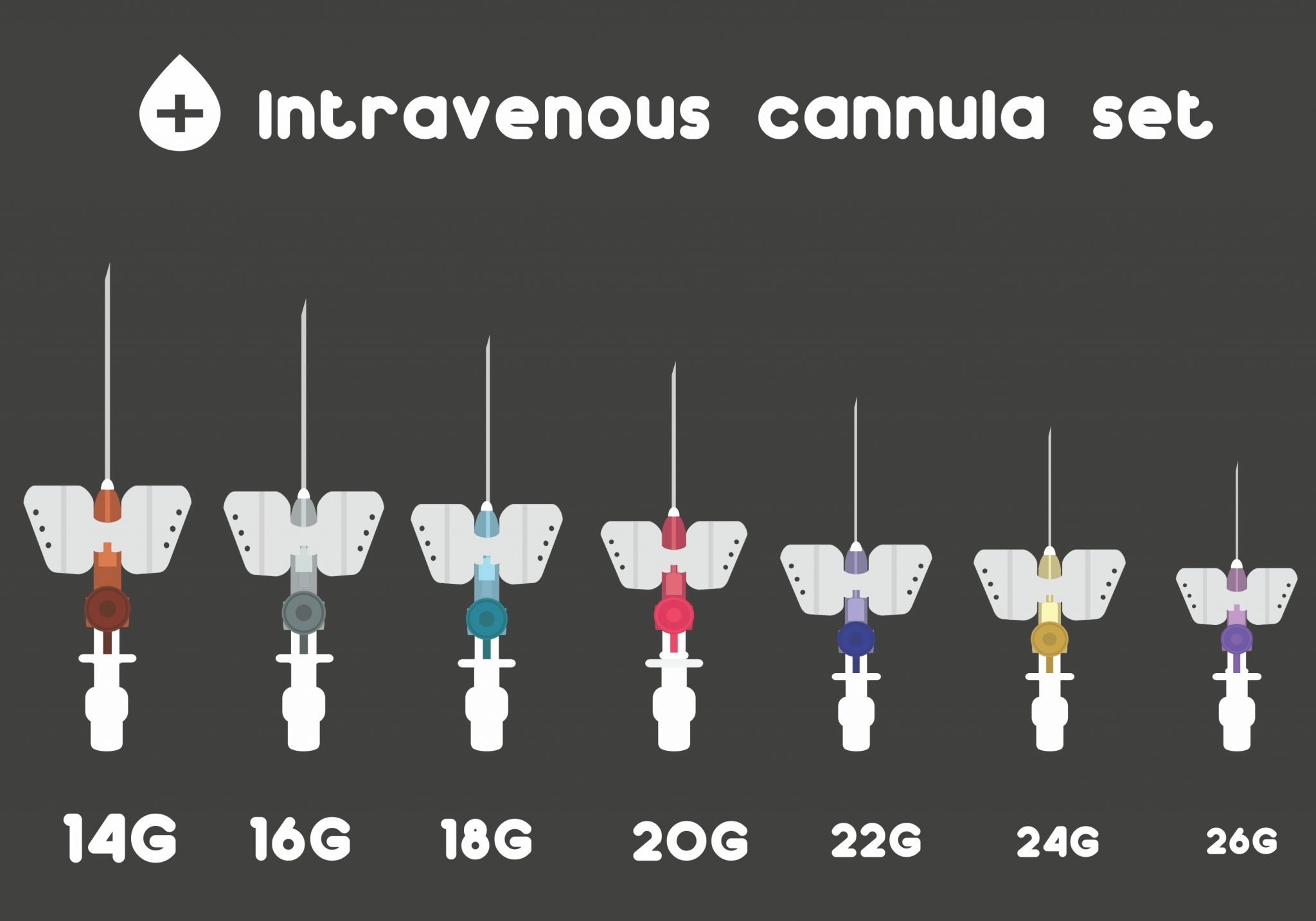
  • What sizes of cannulas are there?

    What sizes of cannulas are there?

    adobestock_88804758
    IV cannula sizes. Picture: Adobe Stock