Full reference available at Article 999’s reference library here: https://airtable.com/appaQWBYHEs4Y6RjF/tblatVkrBMGBMdpRM/viwMSEJkOai9GwYS4/recFg1GuvEjKQZN9f?blocks=hide
Category: Choose post format
-
Acute Diarrhoea in the Elderly – The Risk Factors
Sign, symptom, or condition Sign of, and Treatment Reference Sunken eyes Dehydration; Patient may need referral to Doctor or urgent rehydration, depending on severity. Patient may benefit from blood tests Johnson and Smith, 2012: 94. High NEWS2 Score Sepsis; patient may need antibiotics and emergency treatment Royal College of Physicians, 2017 Covid-19 The diarrhoea could be a sign of deterioration, but the evidence for this is weak Amico et al, 2020 Female and increased age Increased risk of dehydration Rowat et al, cited in Sweetser, 2012 Heart or kidney failure; take steroids Increased risk of overhydration; patient may require emergency treatment Sweetser, 2012; WHO, 2021. Dizziness Dehydration; patient may require urgent rehydration Sweetser, 2012; WHO, 2021 Confusion; seizures Dehydration or overhydration; electrolyte imbalances; patient may require emergency treatment and urgent rehydration Sweetser, 2012; WHO, 2021 Type 2 Diabetes; metformin Metformin can cause the symptoms; diabetes is a risk factor due to potential difficulties managing the condition Johnson and Smith, 2012: 96 Immunosuppressed Risk of deterioration Johnson and Smith, 2012: 96 Bowel disease such as ulcerative colitis or diverticulitis May indicate more severe illness Johnson and Smith, 2012: 96 Blood in stools May be an indication of abdominal bleeding Johnson and Smith, 2012: 96 -

Recommended Content: Cardiac Action Potential, Explained with Dominoes
If you, like me, struggle to understand the action potential, here is a great video from UBC Medicine, which explains the concept with dominoes. Check it out below.
Credits: UBC Medicine -

‘Thanks for the Feedback’ – A Video Summary in Quotes
For mentors/PPEDs, PHEM feedback facilitators, ALS instructors, teachers, and those interested in responding better to feedback (and in doing so, giving better feedback), here’s one for you. This is a summary in quotes of the ‘Thanks for the Feedback’ book, picking up on some key points. The full reference is available in our new reference database here: https://airtable.com/shrmbfb43bwcyYtPG
This video took about 2 hours of an evening to produce and was created by Article 999’s founder, Louise, using a great software program purchased out of pocket. The actual reading and saving of quotes has taken [insert actual time] far too long and a similar amount of time will be needed for other books. If you like Article 999’s content, let us know by buying us a coffee here or clicking on the coffee symbol in the bottom right corner.
-

CPD Templates v1.4: A Video Walkthrough and Printing Guide
As is the style of Article 999, here’s a video guide to the CPD templates.
Note: This relates to v1.4. If the template you’re using doesn’t have a version number, look out for info on how to make these changes or send me a message or an email, and I’ll help you update your portfolio to the latest version.
Update: The current version (Aug 2022) is v1.5. Look out for a new video walkthrough soon.
-
Interpreting the Acid-Base Balance Using Tic Tac Toe (0s and Xs)
This information is taken from an excellent video by Radiometer, shown here:
Put Simply:
To interpret the acid-base blood gas results, you first need to know what normal levels are – and be careful, because there are international variations in what units we use, and you may also find slight variations in results. You also need to know what a high figure means vs a low figure – is this acidemia, or alkalemia? Let’s help you out:
Your normal levels are:
Ph = 7.35-7.45
Pc02 = 4.7-6.0 kPa
Hc03 = 22-26 mmol L
Which way is acid, and which way is alkaline?

You might notice that respiratory acidosis and respiratory alkalosis are in bold. That is to highlight the fact that these are opposite to the other parameters – a high pC02 = acidotic. A low pC02 – alkalosis. One simple way to remember this is to try to spell ‘opp’ (opposite) backwards, using the other parameters. To enable you to do this, you’re only allowed to swap one C for a P. Go ahead, try it.
For pH, you obviously can’t do this.
For HC03, you still can’t: Even if you change the C to a P, you still have an H in the way.
For pc02, you can swap the C for a P and you can spell: 0PP backwards… That’s the parameter that is opposite to the others!
How to Use Tic-Tac-Toe (0s and Xs)
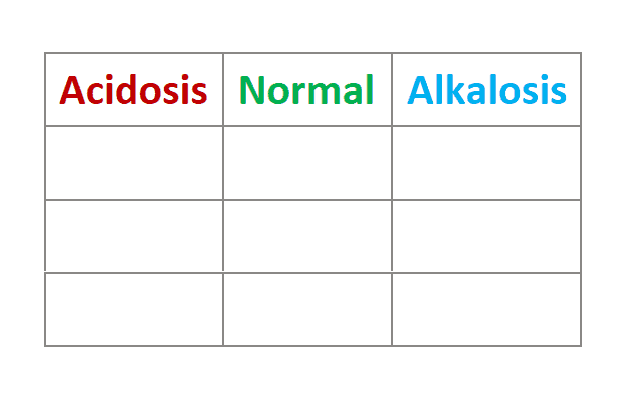
First, draw a tic-tac-toe table like so.
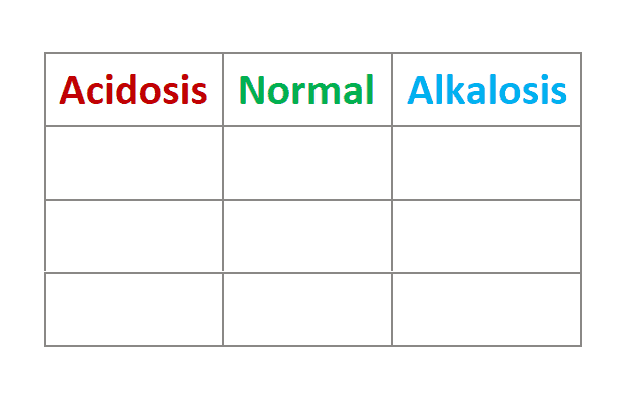
Next, put your pH into the acidosis, normal, or alkalosis column:
Acidosis Normal Alkalosis pH 7.12 Next, put your HC03 or pC02 into the corresponding column. In this case, it’s the pC02:
Acidosis Normal Alkalosis pH 7.12 pC02 13.9 It only takes 3 in a row for tic-tac-toe, and that includes the title, so you have an acidosis here. Because we are looking at the respiratory component (pC02), this is a respiratory acidosis.
But we keep looking because we want to know if the body is trying to compensate. If it is, the opposite component – in this case, the metabolic component, HC03 – will be going in the opposite direction to the general trend. In this case, the general trend is respiratory acidosis, so we’re looking to see if the metabolic component is alkalotic. If there is no compensation, it will be in the normal range.
Acidosis Normal Alkalosis pH 7.12 pC02 12 HC03 33 And it’s above the reference range, so there is partial compensation here. But it’s only partial compensation because the pH isn’t normal.
Acidosis Normal Alkalosis pH 7.36 pC02 11 HC03 33 This is now fully compensated. We know it was probably respiratory acidosis before because a) we have the luxury of repeat blood gas results, and b) the pH is only just normal; in fact, it’s heading towards acidosis. We need to keep monitoring to see if this continues to normalise or if it heads in the wrong direction.
You can use tic-tac-toe to identify respiratory or metabolic alkalosis or acidosis, mixed alkaloses/acidoses, and partial and full compensation. Don’t forget to look at other parameters as well though – more on those soon.
References
For this post, the video above, and:
Thompson, D. A. 2007. Blood Gases Made Simple, Easy, and Quick. Lulu Press.
-

The Case of Anna Bagenholm
In 1999, Anna Bagenholm survived a cardiac arrest after a prolonged down-time and a temperature of just 13.7c. The circumstances of her survival continue to make international news and to inform and inspire research about target temperature management. There have been very few documented cases of survival from such extreme hypothermia, especially with minimal neurological impact. Consider the statistics on neurological impact from ordinary cardiac arrests, with less down-time, and Anna’s case becomes even more extraordinary. But does her survival mean we should target hypothermia in cardiac arrest patients? Should we target hypothermia in ROSC? Let’s have a look at the case and the research that has followed:
The case
Situation: 29 Year Old Female (Anna Bagenholm) is submerged head-first in a hole in the ice in a mostly frozen stream for 80 minutes.
Background: She has no medical history. She has slid down an icy slope while skiing with colleagues.
Assessment: She was conscious for the first 40 minutes, but has been unconscious for 40 mins since. After recovery, she is in cardiac arrest. Her ECG shows asystole. During the resuscitation attempt, the following is also learned:
- Temp: 13.7
- Pupils: dilated
She is warmed and the resuscitation team are watching an echo of her heart, which begins to move. ROSC was not gained until 4 ½ hours after she fell, and she spent 35 days on life support.
Questions: What would your expectations be of her ROSC management? What would your expectations of her survival and neurological impact be?
Recommendation — today:
- Maintain a target temperature at a constant value between 32°C and 36°C for at least 24 h.
- Avoid fever (> 37.7°C) for at least 72 h after ROSC in patients who remain in coma.
- Do not use pre-hospital intravenous cold fluids to initiate hypothermia.
(Resuscitation Council, 2021)
Decision/Outcome: Not only does Anna survive, her long-term neurological impact is minimal. Have a look at the video:
More Questions:
- What target temperature does your Trust follow for ROSC management? Do you think it should be lower, or higher, having seen Anna’s case?
- Do you think it’s possible to replicate the results of Anna’s treatment? What makes her situation so different to a cardiac arrest patient who has been treated with target temperature management?
The Research
Have a look at the results of some recent studies into target temperature management, below:
Year In or out of hospital study Presenting rhythm Targets Outcome 2002 OHCA Shockable 33 and 37 Positive for survival and neurological impact 2010 OHCA Shockable Cooled IV fluids (No target temperature listed) No difference 2013 OHCA Both shockable and non-shockable, but presumed cardiac cause 33 and 36 No difference 2014 OHCA Both shockable and non-shockable 2L of normal saline at 4 degrees, vs standard care No difference 2018 OHCA Shockable 32, 33, 34 No difference 2019 OHCA and IHCA Non-shockable 33 vs 37.5 Improved survival and good neurological outcome (CPC = 1 or 2) 2021 OHCA Presumed cardiac cause 33 vs 37.5 No difference Adapted from: Rasmussen and Girotra, 2021. Final discussion point:
Why can’t controlled studies replicate the kind of outcome that Anna had? Share your thoughts below, or on our Facebook or Twitter pages.
References (excluding videos and direct links above):
Rasmussen, T. P. and Girotra, S. 2021. A Contemporary Update on Targeted Temperature Management, Available at: https://www.acc.org/latest-in-cardiology/articles/2021/11/09/13/16/a-contemporary-update-on-targeted-temperature-management (Accessed 15/05/2022).
Resuscitation Council, 2021. Post-Resuscitation Care Guidelines, Available at: https://www.resus.org.uk/library/2021-resuscitation-guidelines/post-resuscitation-care-guidelines (Accessed 15/05/2022).
-
What To Do When You Fall Over, Aged 65+
Contents
Videos – Below, split into 3, followed by the complete (merged) version
In Text
Additional Information
ReferencesThe Videos
What to Do if you Fall, Aged Over 65 – When to Seek Help What to Do if you Fall, Aged Over 65, and You’re Not Hurt When to Speak to Your Doctor About Your Falls – For People in the UK Aged over 65 The Complete Video – Watch it all at once above. Please read more about Article 999.
Please also take the time to read our disclaimer.[tabby title=”For Patients”]
In Text:
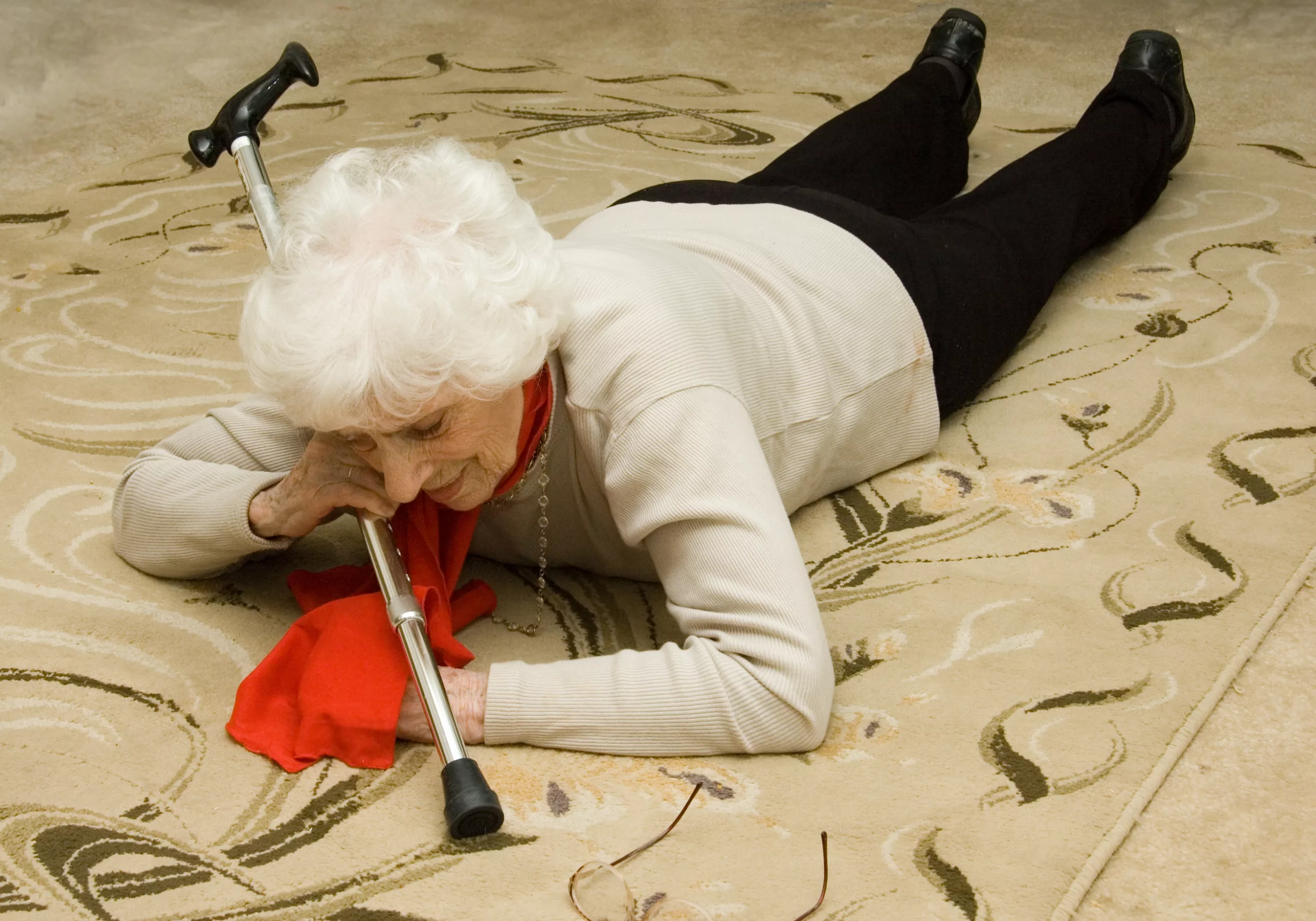
If you are 65 years old or above, you are at an increased risk of falling and serious injury from falling (NICE, 2013; WHO, 2021). But falling isn’t just a part of getting older, it’s often due to a combination of factors – over 400, in fact (NICE, 2015) – some more serious than others.
If you or the person you are watching this for has just fallen and the following factors apply, please CALL 999. If you or they fall again, and the following apply, please CALL US BACK, no matter what time it is. Finally, if you have been advised to attend a&e and have chosen not to, please make sure you have someone who can check in on you over the next 48 hours (NICE, 2014). You and they should look out for:
- Breathing difficulties or chest pain
- A change in your behaviour, for example if you feel more irritated or confused than normal.
- Vomiting
- Dizziness, or feeling faint when you stand up
- Persistent headaches
- Memory changes – are you forgetting events since, or before, you fell over?
- Seizures
- Losses of consciousness, including faints.
- Any loss of sensation in your limbs or sudden new weaknesses, including signs of strokes.
- Swollen, painful muscles
- Or if you’re unable to mobilise, can’t get up from the floor, or develop any new pain
*This is not an exhaustive list.
Call 999.
If you have had alcohol, this may be hiding symptoms, so you may be advised to attend a&e.
Also, if you have fallen, hit your head, and you take blood thinners, or medications called anti-platelets, you need to be cautious.
You must attend a&e to be monitored and receive a scan of your head, a CT scan. Even if you have not drawn blood, you are still at risk of bleeding internally, especially in the brain because these medications are designed to prevent blood clots.
These medications might be called:
- Warfarin
- Rivaroxaban
- Dabigatran
- Apixaban
- Edoxaban
- Heparin (injection)
Antiplatelet medications include clopidogrel, aspirin.
- And others shown on the screen:
Dipyridamole
Prasugrel
Ticagrelor
Cangrelor
(BNF, n.d.)
*These are more concerning when taken in combination, e.g. clopidogrel + aspirin
You must maintain extreme caution if you are on these medications. For more information about blood thinners and antiplatelets, please scroll below the video.
If none of this applies to you, but you are on the floor and you’re not hurt, don’t get up quickly.
Roll onto your knees and use nearby stable furniture to push yourself up. Then, sit down until you feel able to continue with your day (NHS, 2021).
Remember, if you’re not hurt but you still can’t get up, call for help. If you have one, you can press your personal alarm. You can call: family, friends, 999, or 111. In this circumstance, both 999 and 111 will lead to an ambulance arrival with a crew who can assess you and help you up. Both 999 and 111 result in the same ambulance service.
While you wait, the NHS recommends changing your position ‘at least once every half hour or so,’ (NHS, 2021) if you are able to and it is not painful to do so. Keep yourself warm and let 999 know if anything gets worse.
Be aware of what might have caused or contributed to your fall, and let the ambulance crew know when they arrive.
Additional Information
When to speak to your doctor:
6 out of 10 falls happen at home (SAGA, CSP, PHE, 2015), so there are often contributing factors – and there are ways we can help prevent these from causing you to fall.
If you are noticing an increase in your urine output, you should request a urine dip from your doctor in case you have a urine infection, which might make you confused (Alzheimer’s Society, 2021), or rush to the toilet (Soliman, Meyer, and Baum, 2016), often leading to falls.
If you are falling more often,
If your balance has worsened gradually,
Or you’re noticing a gradual worsening in the way you walk,
Or you’re feeling afraid of falling
*If anything mentioned here happens suddenly, you must call 999.
… You should ask for a falls assessment from your doctor. Health care professionals will look for factors contributing to your falls, which may range from problems with your eyes to problems with your bones, and looking at your medications to see if they are causing side effects (Saga, CSP, PHE, 2015).
They may also look at your home environment and identify items that could cause you to trip, even if they never have before. Ambulance crews might also point these out if they are attending to you. They should also ask to refer you for this falls assessment. (NICE, 2013)
Scroll beneath the video to find a link for information on how to get equipment, grants to pay for additional items, and personal alarms if you fall. If you have purchased your own keysafe, make sure you pass on the code to the ambulance service in case you cannot answer the door.
Thank you.
Links:
For equipment such as hand and grab rails, commodes, raised toilet seats, slip mats for the shower, grants to pay for additional items, and personal alarms if you fall, please follow this link. You should be able to get financial support from your local council for some of these items.
Other resources:
Stay Active at Home – Strength and balance exercises for older adults

Age UK also offer great advice and a ‘handyperson’ to help with small adaptations you might need.
References
Age UK. (2020). Avoiding a fall. Available at: https://www.ageuk.org.uk/information-advice/health-wellbeing/exercise/falls-prevention/ (Accessed 12/10/2021).
Alter SM, Mazer BA, Solano JJ, et al. (2020). Antiplatelet therapy is associated with a high rate of intracranial hemorrhage in patients with head injuries. Trauma Surgery & Acute Care Open, 5(1), e000520
Alzheimer’s Society. (2021). Urinary tract infections and dementia. Available at: https://www.alzheimers.org.uk/get-support/daily-living/urinary-tract-infections-utis-dementia (Accessed 18/10/2021)
BNF. (N.D.). Antiplatelet drugs. Available at: https://bnf.nice.org.uk/treatment-summary/antiplatelet-drugs.html (Accessed 12/10/2021).
CDC. (2017). Assessment. Timed Up and Go. Available at: www.cdc.gov/steadi/pdf/TUG_Test-print.pdf (Accessed 12/10/2021).
The Chartered Society of Physiotherapy (CSP). (2015). Get up and go – a guide to staying steady. Available at: https://www.csp.org.uk/publications/get-go-guide-staying-steady-english-version (Accessed 12/10/2021).
CSP. (2017). Stay active at home – Strength and balance exercises for older adults. Available at: Stay Active at Home – Strength and balance exercises for older adults (Accessed 12/10/2021).
Dallas, M. (2015). The Need-to-Know Side Effect of Blood Thinners. Available at: https://www.everydayhealth.com/news/need-know-side-effect-blood-thinners/ (Accessed 18/10/2021).
Knott, L. (2021). Rhabdomyolysis and Myoglobinuria. Available at: https://patient.info/doctor/rhabdomyolysis-and-other-causes-of-myoglobinuria (Accessed 12/10/2021).
National Blood Clot Alliance. (n.d.). Living your best life while taking blood thinners. Available at: https://www.stoptheclot.org/living-your-best-life-while-taking-blood-thinners/ (Accessed 18/10/2021).
NHSa. (2021). Falls. Available at: https://www.nhs.uk/conditions/falls/ (Accessed 12/10/2021).
NHSb. (2021). Anticoagulant medications. Available at: https://www.nhs.uk/conditions/anticoagulants/ (Accessed 12/10/2021)
NHSc. (N.D.). Care Services, Equipment and Care Homes. Available at: https://www.nhs.uk/conditions/social-care-and-support-guide/care-services-equipment-and-care-homes/ (Accessed 12/10/2021).
NICEa. (2013). Falls in older people: assessing risk and prevention. Available at: https://www.nice.org.uk/guidance/cg161 (Accessed 12/10/2021).
NICEb. (2015). Falls in older people. Available at: https://www.nice.org.uk/guidance/qs86/chapter/About-this-quality-standard (Accessed 12/10/2021).
NICEc. (2019). Falls – risk assessment. Available at: https://cks.nice.org.uk/topics/falls-risk-assessment/ (Accessed 12/10/2021).
NICEd. (2014). Head injury: assessment and early management (NICE Clinical Guideline 176). Available at: https://www.nice.org.uk/guidance/cg176 (Accessed 16/06/2020).
Nishijima, D. (2012). Immediate and delayed traumatic intracranial hemorrhage in patients with head trauma and preinjury warfarin or clopidogrel use. Annals of Emergency Medicine, 59(6), pp: 460-468.
North American Thrombosis Forum. (2020). Falls and anticoagulation. Available at: https://natfonline.org/2020/08/falls-and-anticoagulation. (Accessed 18/10/2021).
Probst, M. et al. (2020). ‘Prevalence of Intracranial Injury in Adult Patients With Blunt Head Trauma With and Without Anticoagulant or Antiplatelet Use’. Annals of Emergency Medicine, 75(3), pp: 354-364.
Public Health England. (2017). Falls and fracture consensus statement – Supporting commission for prevention. Available at: https://assets.publishing.service.gov.uk/government/uploads/system/uploads/attachment_data/file/586382/falls_and_fractures_consensus_statement.pdf (Accessed 12/10/2021).
Saga, CSP, and PHE. (2015). Get Up and Go: A Guide to Staying Steady. Available at: https://www.csp.org.uk/system/files/get_up_and_go_0.pdf (Accessed 12/10/2021).
Soliman, Y., Meyer, R., And Baum, N. (2016). Falls in the Elderly Secondary to Urinary Symptoms. Reviews in Urology. 18(1), pp: 28-32.
Stiell, I. et al. (2003). ‘The Canadian C-Spine Rule versus the NEXUS Low-Risk Criteria in Patients with Trauma’, The New England Journal of Medicine. 349. pp: 2510-2518.
Skellet, S. et al (2021). Paediatric advanced life support Guidelines. Available at: https://www.resus.org.uk/library/2021-resuscitation-guidelines/paediatric-advanced-life-support-guidelines (Accessed 18/10/2021).
WHO. (2021). Falls. Available at: https://www.who.int/news-room/fact-sheets/detail/falls (Accessed 18/10/2021).
[tabby title=”Extra Info For HCPs”]
Please feel free to share this video with your patients, but please attach this link with it so that all accompanying information is also shared.
For more info about what Article 999 is, and why I am creating videos for patients, please see the ‘About Us’ page and click on the ‘About article 999 for patients’ tab.
Feel free to add comments or feedback. Please let us know how well received this is.
A history of falls in the past year is the single most important risk factor for falls and is a predictor of further falls.
https://www.nice.org.uk/guidance/qs86/chapter/Quality-statement-1-Identifying-people-at-risk-of-falling>NICE (2019) recommends using the ‘Timed Up and Go’ test to assess a person’s risk of falling. Details on this can be found here: https://www.cdc.gov/steadi/pdf/TUG_Test-print.pdf
‘An older adult who takes ≥12 seconds to complete the TUG is at risk for falling’
(CDC, 2017)A video on this is available from the CSP here.
Thank you,
Louise Sopher
HCPC Registered Paramedic
Article 999 Founder[tabbyending]