Category: ECA
-

Tell me about the treatment of ischaemic CVAs
This post refers to treatment in hospital and the potential for future treatment pre-hospitally. Ischaemic CVAs are usually treated with thrombolysis using IV alteplase within 4.5 hours from symptom onset and after a CT scan and diagnosis, but there are new tests and treatments coming out and many other factors to consider.
-
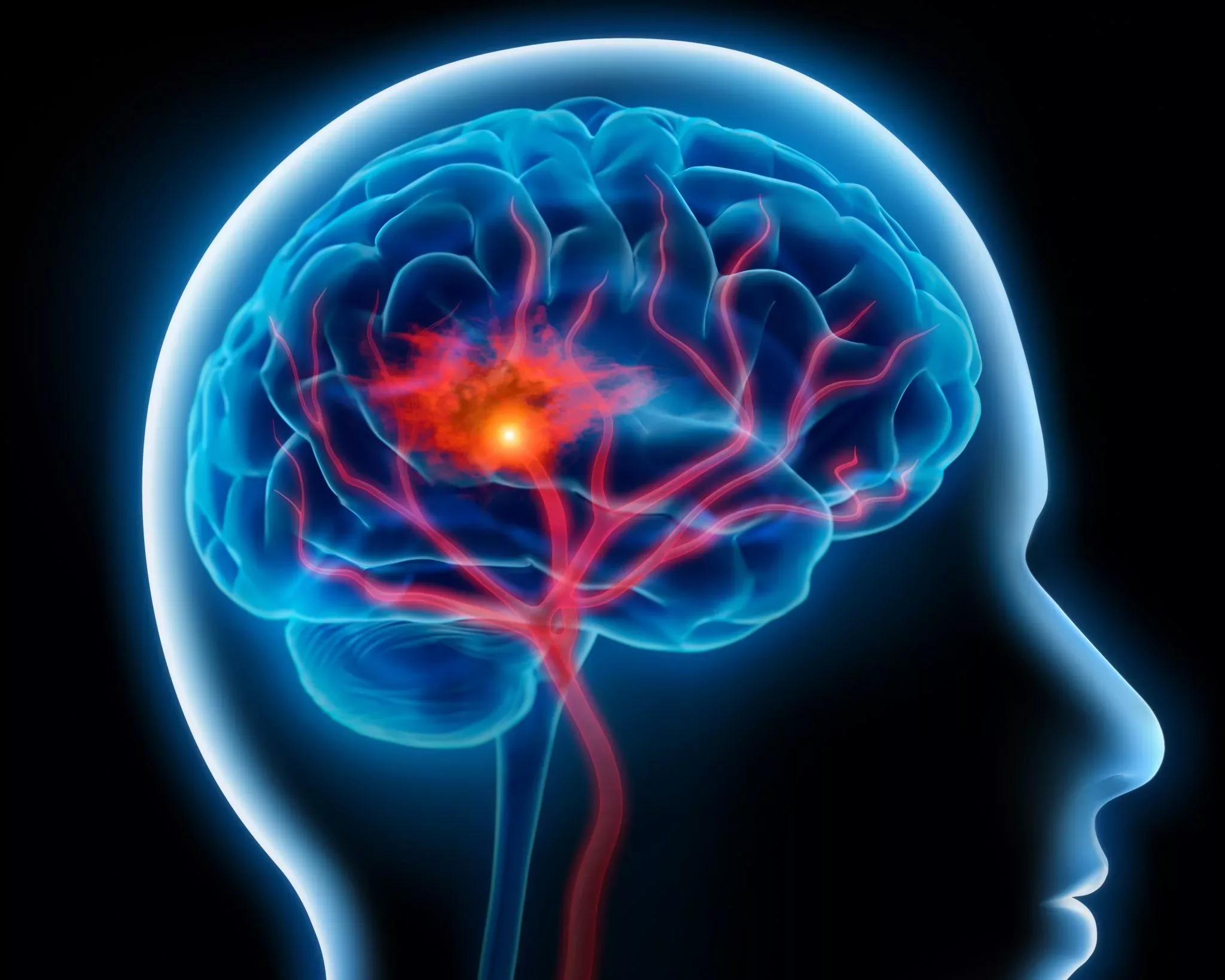
Tell me about ischaemic CVAs
These are strokes that are caused by a blockage in the blood flow to the brain. They may be treated with thrombolysis if not contra-indicated
-

When can you say an adult lacks capacity?
If the person cannot:
‘understand the information relevant to the decision’
‘retain that information’
Remember, the person only needs to retain this information long enough to decide‘use or weigh that information as part of the process of making the decision’
‘communicate his decision’
A person may communicate verbally or non-verbally. So long as he is able to get the information across, he can communicate.…You might be able to say that he lacks capacity…
(Crown Copyright, 2005)…But make sure you address the information below first
-
What are the 5 principles of the Mental Capacity Act 2005?
Or:
How do you decide if someone has capacity?- Someone always has capacity until it’s proven otherwise
- ‘[…] All practical steps to help’ someone make a decision must be tried before saying that a person does not have capacity
- Unwise does not mean unable to decide
- Any decision made for a person without capacity must be ‘in his best interests’
- Any decision that must be made on the person’s behalf must be the least ‘restrictive of the person’s rights and freedom of action’
Crown Copyright (2005) Mental Capacity Act 2005, Available Online: http://www.legislation.gov.uk/ukpga/2005/9/part/1

This content has been summarised and quoted directly. The opinion or interpretation of this writer should not be evident. The reference is in accordance with the Harvard system. You must read the full disclaimer (link below) before putting into place anything you see here.
-
What is the third most common cause of adult death?
Also: What can cause adult disability?
According to Haran et al (2016), ‘Stroke is the third most common cause of death and largest cause of adult disability’
Haran et al, 2016, ‘Hyperacute stroke unit training for paramedics’, Journal of Paramedic Practice, Vol. 8. No. 10
-

What is the definition of trauma?
‘Trauma is the acute physiological and structural change that occurs in a patient’s body when an external source of energy dissipates faster than the body’s ability to sustain and dissipate it (Pilbery, 2014). Major trauma is seen as the most common cause of loss of life under 40 years of age’ (Elms and Harris, 2016: 151)
Elms, S. and Harris, G. (2016) ‘Trauma Assessment’ in A.Y. Blaber and G. Harris (Ed), Assessment Skills for Paramedics, 2nd edition, New York: Open University Press

-
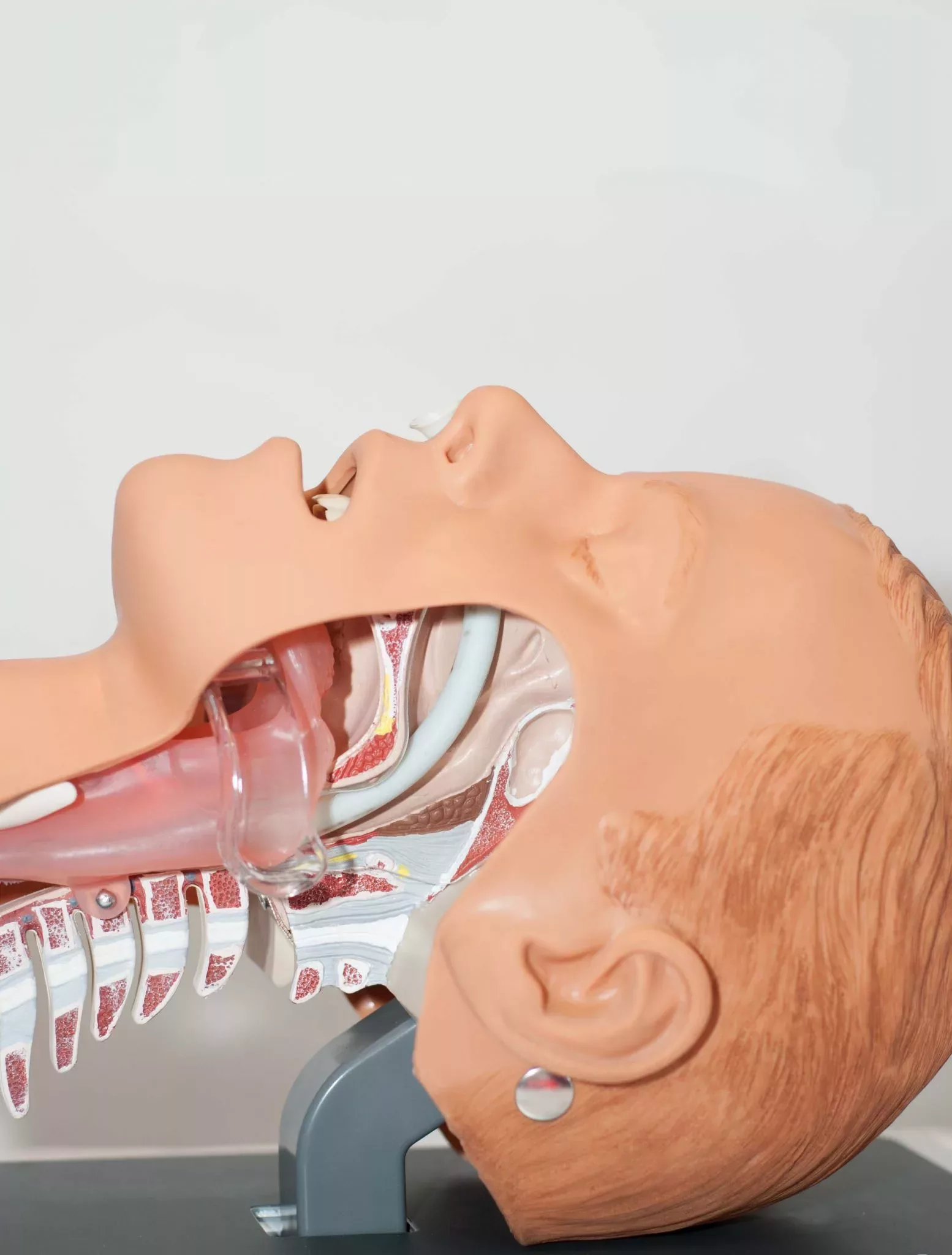
Where are most airway obstructions?
These ‘may occur at any level from the nose to the trachea’ but are commonly found ‘at the level of the pharynx’ (Gregory & Mursell, 2010: 2)
Gregory, P. and Mursell, I. (2010) Manual of Clinical Paramedic Procedures, Sussex: John Wiley & Sons
-
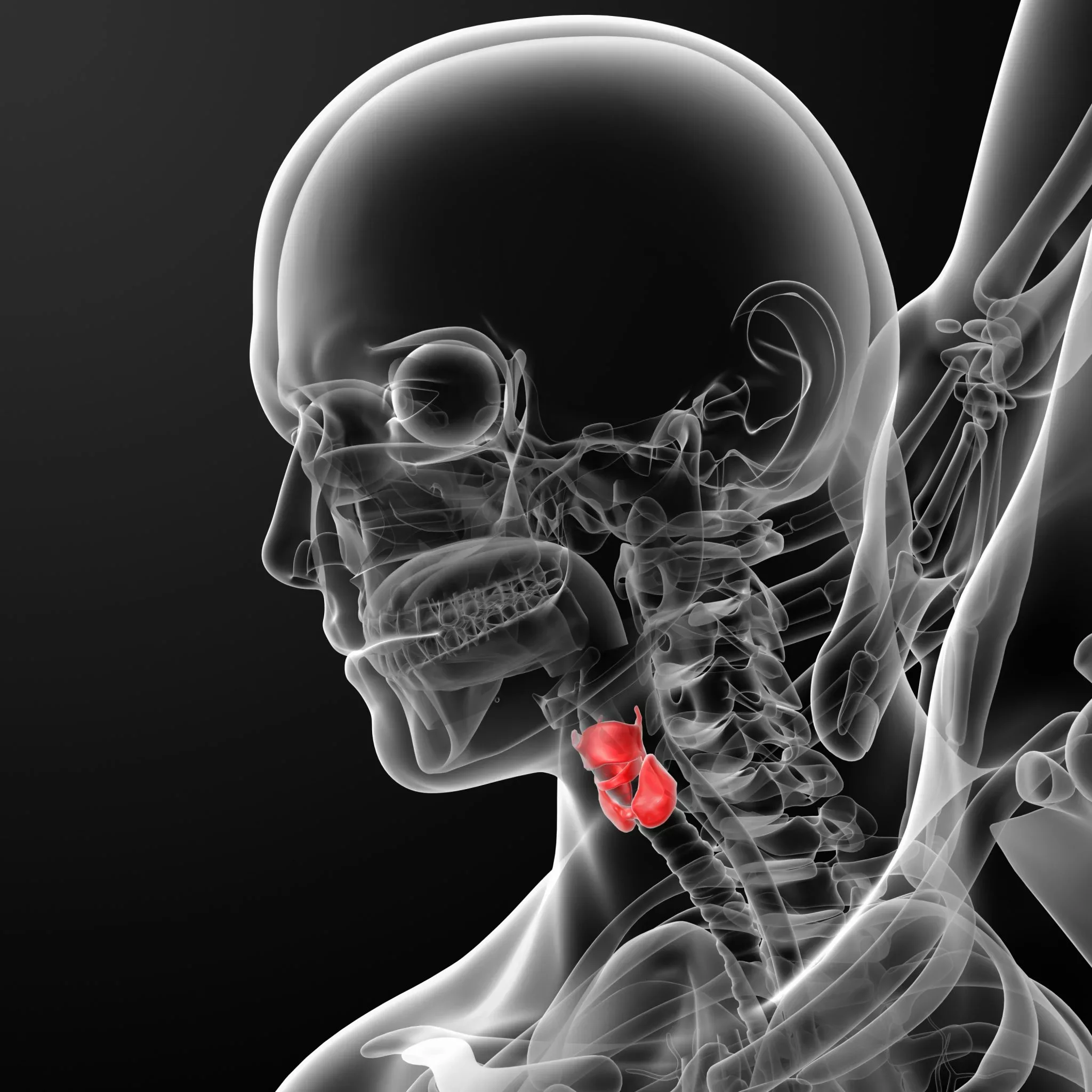
What causes airway obstruction?
- ‘posterior displacement of the tongue caused by reduced muscle tone’
- ‘soft palate and the epiglottis’
- vomit
- blood
- ‘swelling of the airway (e.g. anaphylaxis)’
- ‘foreign body’
- ‘laryngeal spasm’
(Gregory & Mursell, 2010: 2)
Gregory, P. and Mursell, I. (2010) Manual of Clinical Paramedic Procedures, Sussex: John Wiley & Sons

-

What are the risk factors of febrile convulsions?
‘The presence of anaemia or neurological conditions, such as cerebral palsy, also increases the risk of febrile convulsions’ (Sharp, 2016, ‘Management of febrile convulsions within the pre-hospital environment’, Journal of Paramedic Practice, Vol. 8, No. 9, pp. 447-451
Other risk factors listed in the same article:
- Family history in 25-40%
- Ethnicity – Indian and Guam (in the US) children have statistically higher chances of developing epilepsy
- ‘A family history of epilepsy also increases the risk (Paul et al, 2012; Paul et al, 2015)’
- ‘However it should be noted that around 50% of children presenting with febrile convulsions do not have any risk factors (Paul et al, 2012)’
(Sharp, 2016: 447)

The purpose of these posts is to summarise expert knowledge to provide quick and simple answers to simple questions. These posts do not intend to replace the benefits of reading the entire referenced article. If this is your topic of interest, read more by following the links or references listed.
