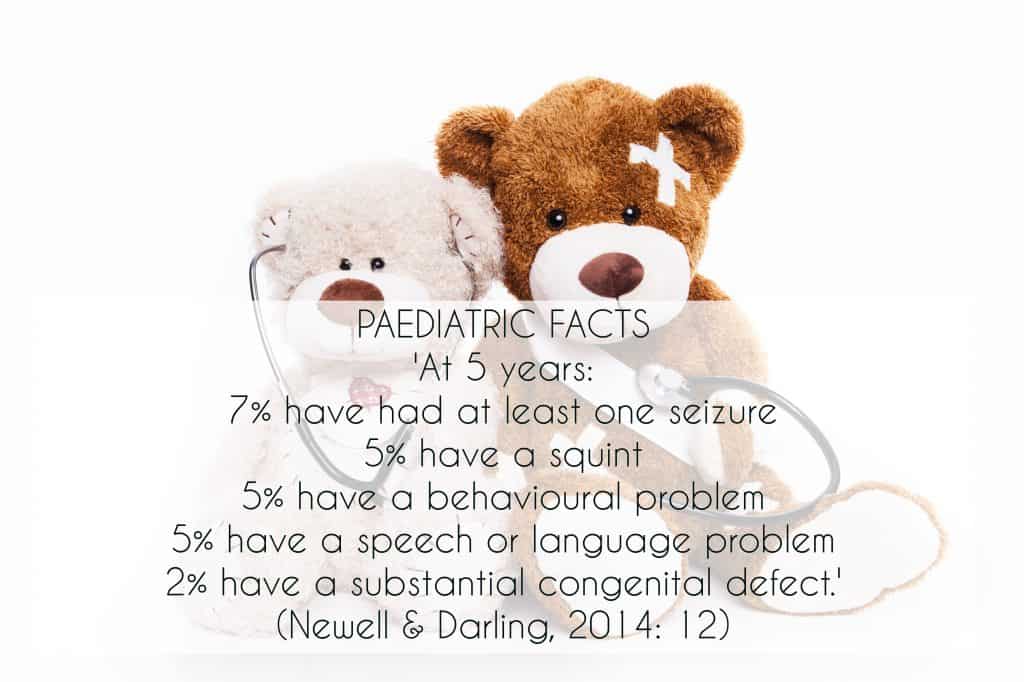
Reference:
Newell, S.J. And Darling, 2014. J.C. Paediatrics: Lecture Notes, Ninth Edition, John Wiley & Sons: West Sussex

Reference:
Newell, S.J. And Darling, 2014. J.C. Paediatrics: Lecture Notes, Ninth Edition, John Wiley & Sons: West Sussex
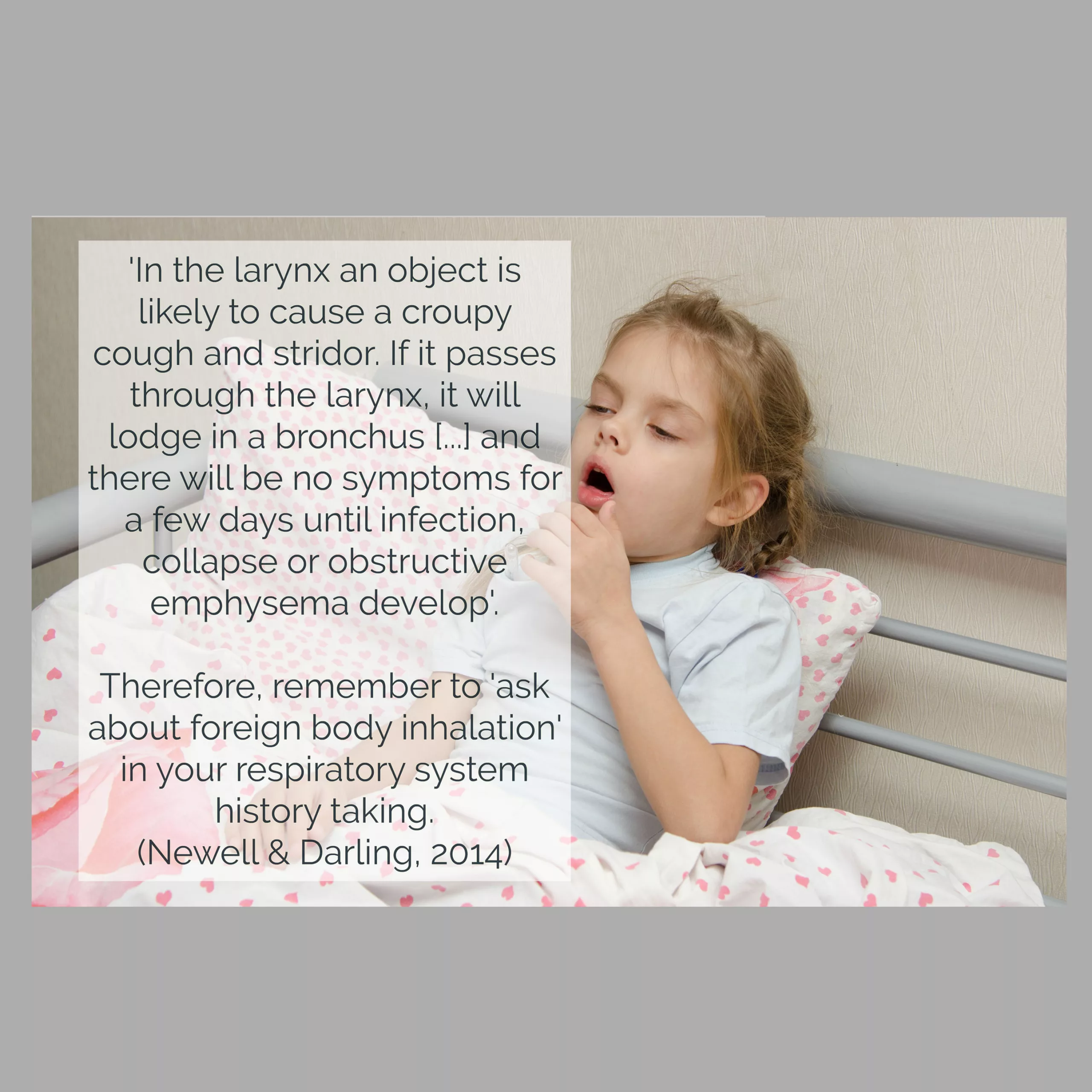
Reference:
Newell, S.J. And Darling, 2014. J.C. Paediatrics: Lecture Notes, Ninth Edition, John Wiley & Sons: West Sussex
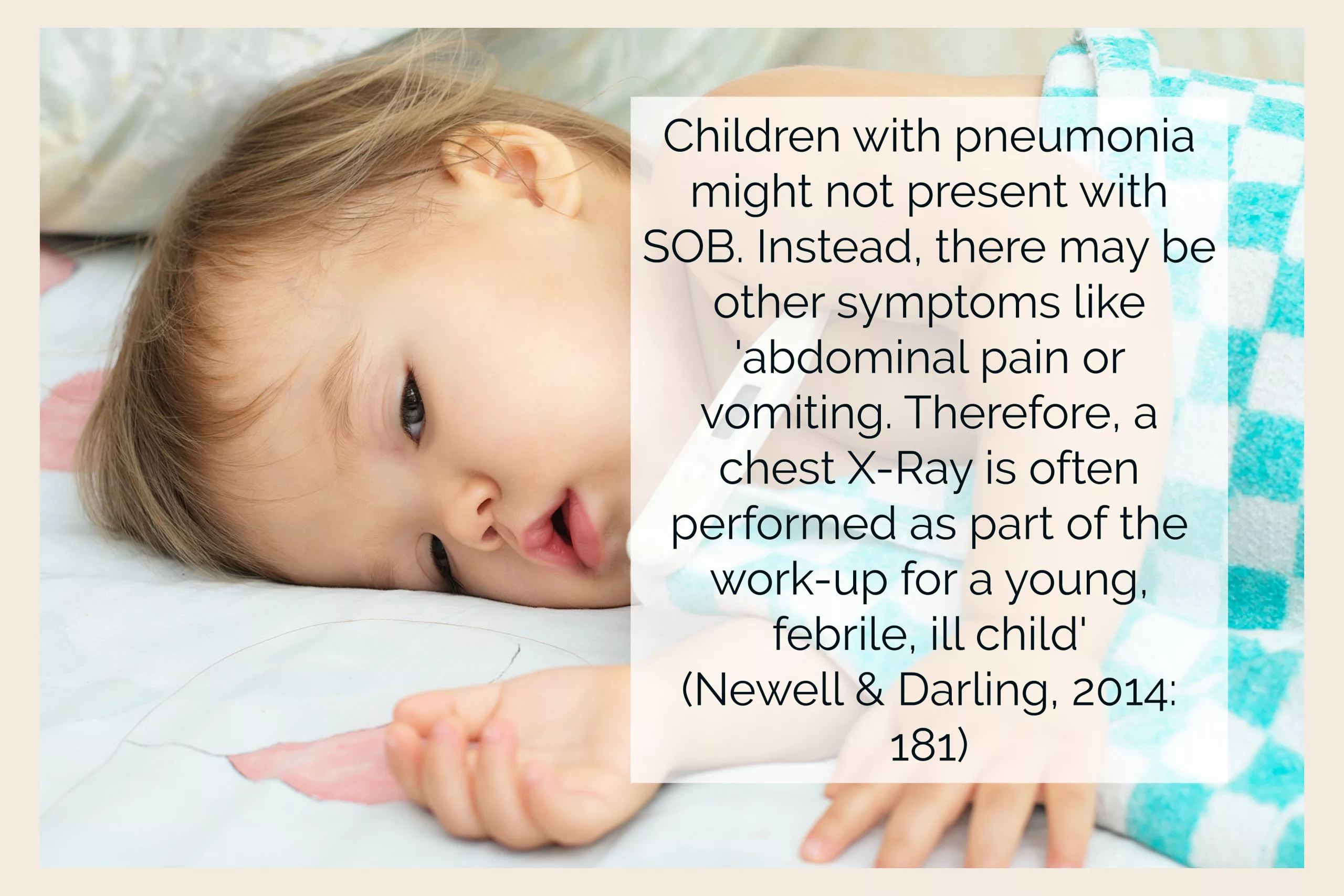
Reference:
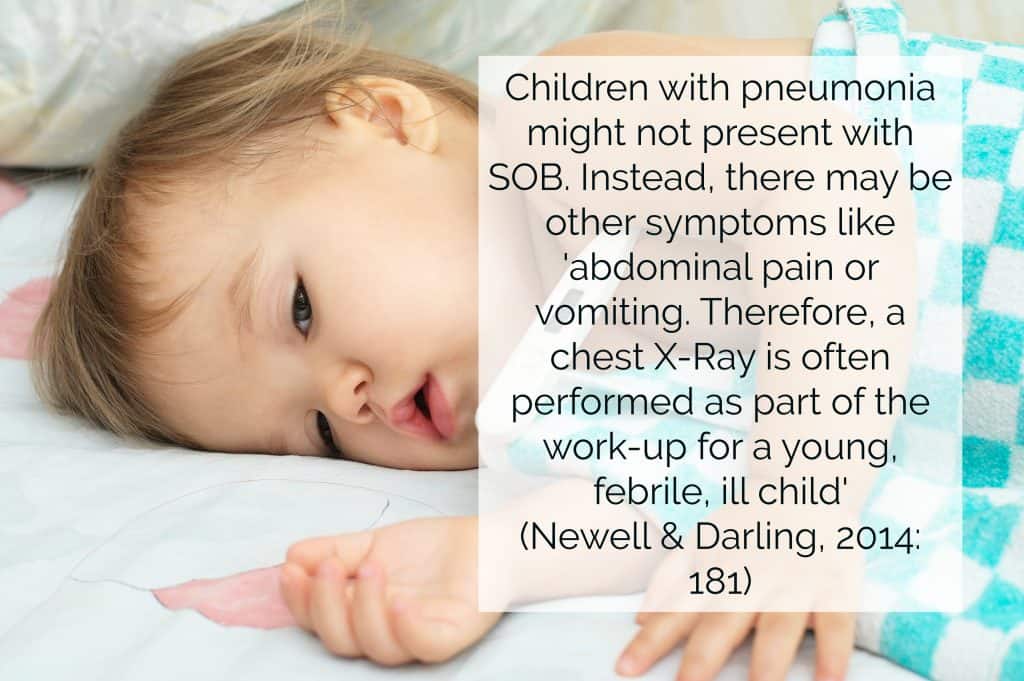
Newell, S.J. And Darling, 2014. J.C. Paediatrics: Lecture Notes, Ninth Edition, John Wiley & Sons: West Sussex


Shaw, J. et al. 2017. ‘Can the prehospital National Early Warning Score identify patients most at risk from subsequent deterioration?’ Emergency Medical Journal, 34: 533-537
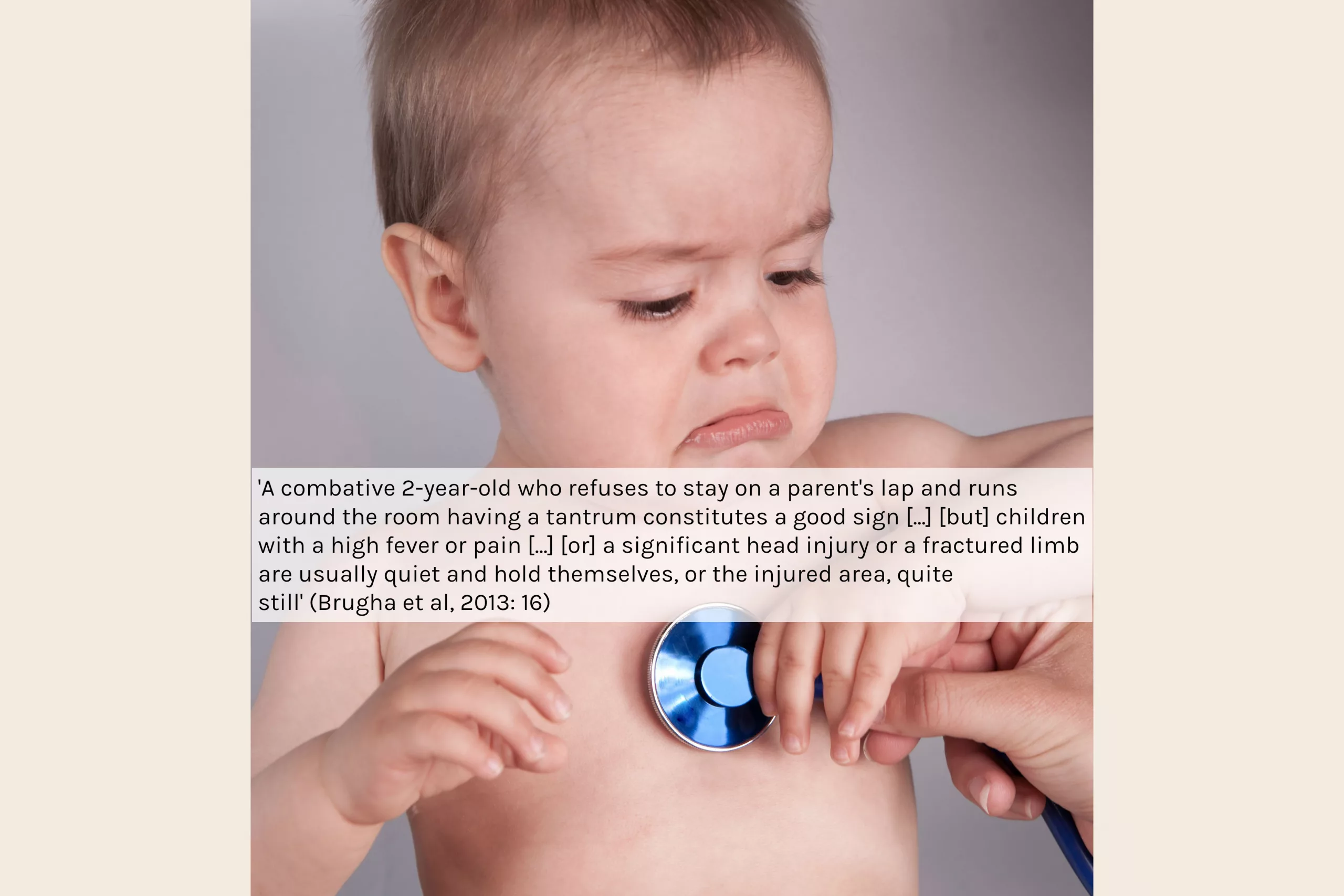
While this is very important, Brugha et al (2013) also warn that the child who isn’t quiet ‘may be distressed as a result of pain’ (Brugha et al, 2013: 16).
Reference
Brugha, R. et al, 2013. Paediatric Clinical Examination, London: JP Medical Ltd.

Reference
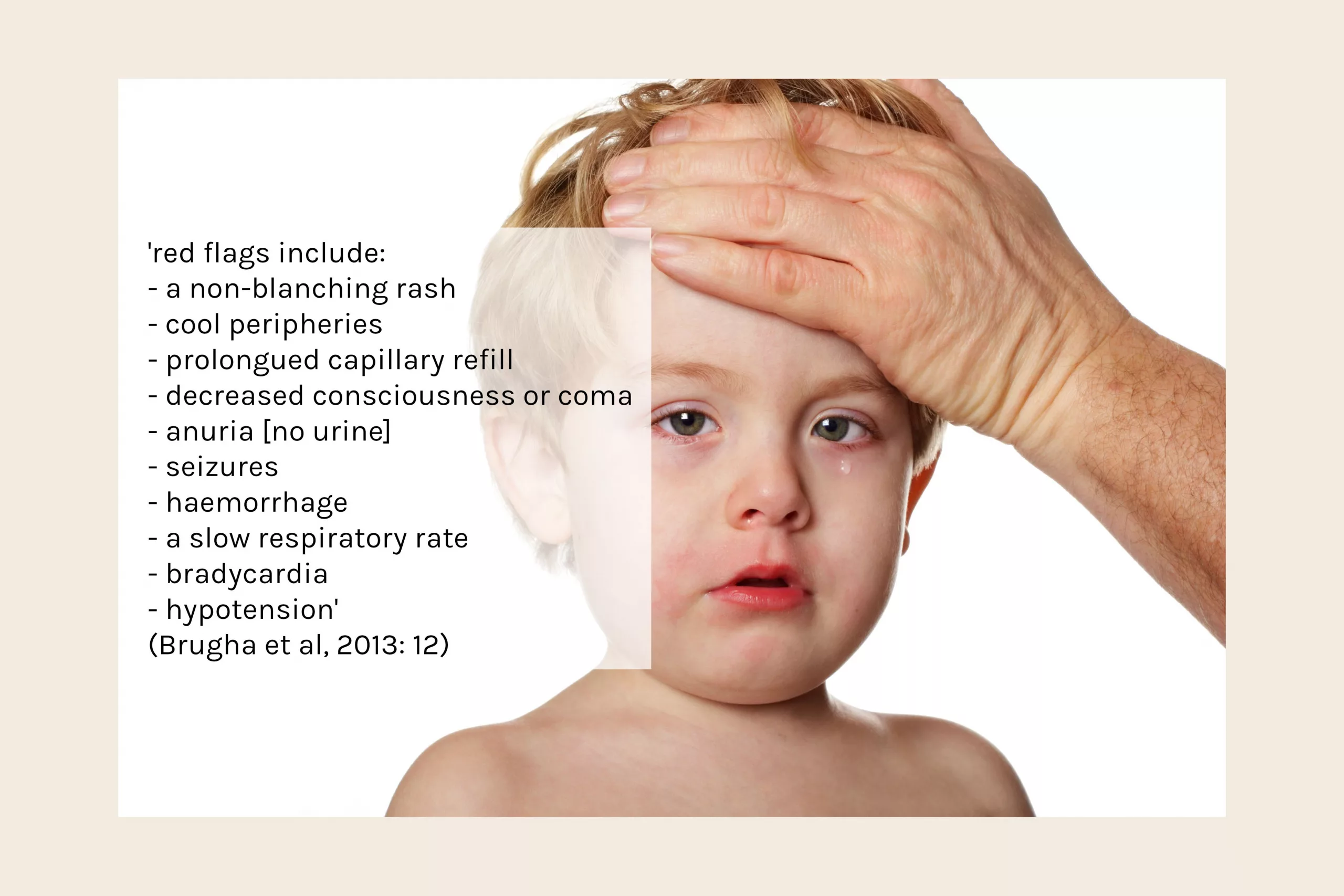
Bruga, R. et al. 2013. Paediatric Clinical Examination, London: JP Medical Ltd


‘Children are able to maintain their blood pressure through physiological compensation mechanisms in the early phases of serious illness, and the early signs of illness may be quite subtle. […] Once a child decompensates, he or she can collapse extremely quickly’ (Brugha et al, 2013: 11).
Reference:
Brugha, R. et al (2013) Paediatric Clinical Examination, London: JP Medical Ltd

[tabby title=”This tab: 3) What are the main sections used for?” open=”yes”]

Section 2 – Purpose: Admission for patient assessment.
Duration of section: 28 days

Section 3 – Purpose: Admission for treatment of a patient.
Duration of section: up to 6 months

Section 4 – Purpose: Urgent admission for patient assessment from the community, usually enforced when a section 2 would take to long to enact.
Duration of section: 72 hours (may be converted to section 2 to extend assessment period to 28 days)
Section 5(2) – Purpose: Urgent detention of inpatient
Duration of section: 72 hours

Section 5(4) – Purpose: Urgent detention of an inpatient by a nurse were a doctor is absent
Duration of section: 6 hours
Section 135 – Purpose: Removal of person from home to place of safety. This requires a court order to enact and remove someone from a private property.
Duration of section: 72 hours
Section 136 – Purpose: Removal of a person from a public place to a place of safety. This does not require a court order.
Duration of section: 72 hours
Community Treatment Order – Purpose: An order that a patient is placed upon after discharge from hospital for psychiatric treatment that allows continued treatment within the community setting.
Duration of section: up to 6 months.
References

[tabbyurl title =”1. What is a section?” url=”https://article999.co.uk/what-is-a-section” indicator=”ext”]
[tabbyurl title=”2. Who can enforce a sectioning order?” url=”https://article999.co.uk/can-enforce-sectioning-order” indicator=”ext”]
[tabbyending]

[tabby title=”1) What is a section?” open=”yes”]
A sectioning order is legislation powers given to health care professionals and police officers under the Mental Health Act’s of 1983 and 2007 that allow for compulsory admission of an individual to hospital or a place of safety. These are enacted if a patient is judged to have a mental disorder that is sufficiently severe to require treatment for said disorder or to remove a person to a place of safety who could be at risk of being a danger to themselves or the public.
References:

[tabbyurl title=”2. Who Can Enforce a Sectioning Order?” url=”https://article999.co.uk/can-enforce-sectioning-order” indicator=”ext”]
[tabbyurl title= “3. What are the main sections used for?” url=”https://article999.co.uk/main-sections-used” indicator=”ext”]
[tabbyending]

[tabby title=”2. This tab: Who can enforce a sectioning order?” open=”yes”]
There are several different types of sectioning orders as listed in the relevant tabs. Each one is used for different purposes, lasts for different lengths of time and can be used by a variety of different health care professionals and police officers. However, not everyone may use every type of order. The following are the sectioning powers available to the following professions:




Approved mental health professionals (social workers, nurses, psychologists or occupational therapists) and rarely relatives may also put an application in for sections 2, 3 and 4. These all require approval by 1 or more doctors to be carried out.
References

[tabbyurl title=”1. What is a section?” url=”https://article999.co.uk/what-is-a-section” indicator=”ext”]
[tabbyurl title=”3. What are the main sections used for?” url=”https://article999.co.uk/main-sections-used” indicator=”ext”]
[tabbyending]