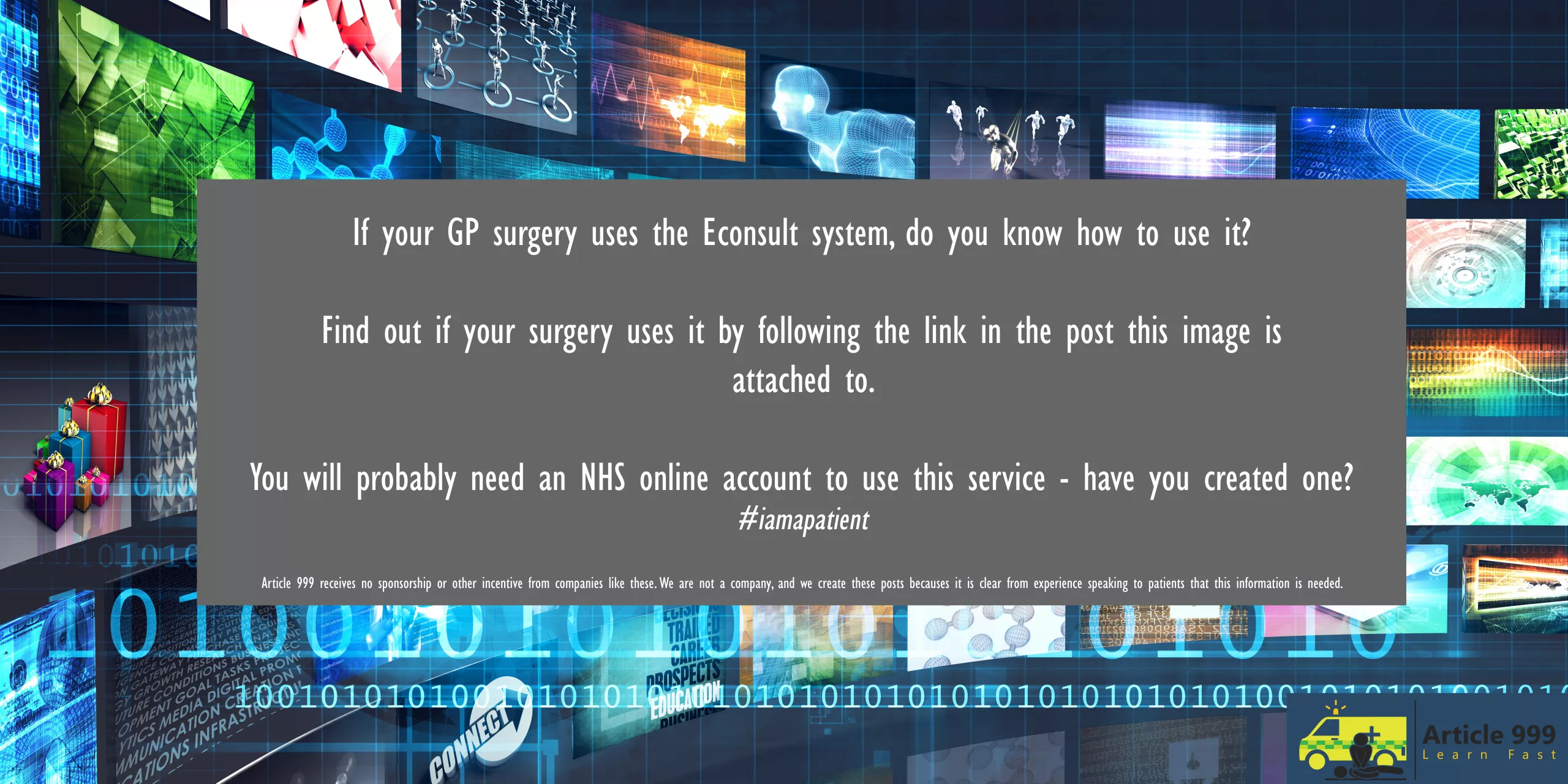
Check if your GP surgery uses this system here.
Create an NHS UK account here.


Based on advice provided here.

What is collaborative CPD? Well, it’s a way of tagging your crewmates/colleagues in specific CPD entries such as reflections on jobs, and then asking your crewmates/colleagues to answer some questions and provide some feedback on your communication and clinical management. You can then use this feedback as prompts to write – or expand – your reflective entries. Or you can export their feedback and add it to your portfolio as evidence of feedback. And your crewmates/colleagues can sync the shared CPD to their portfolios to evidence their own feedback or to prompt or expand on their own reflections. Watch the video for more:
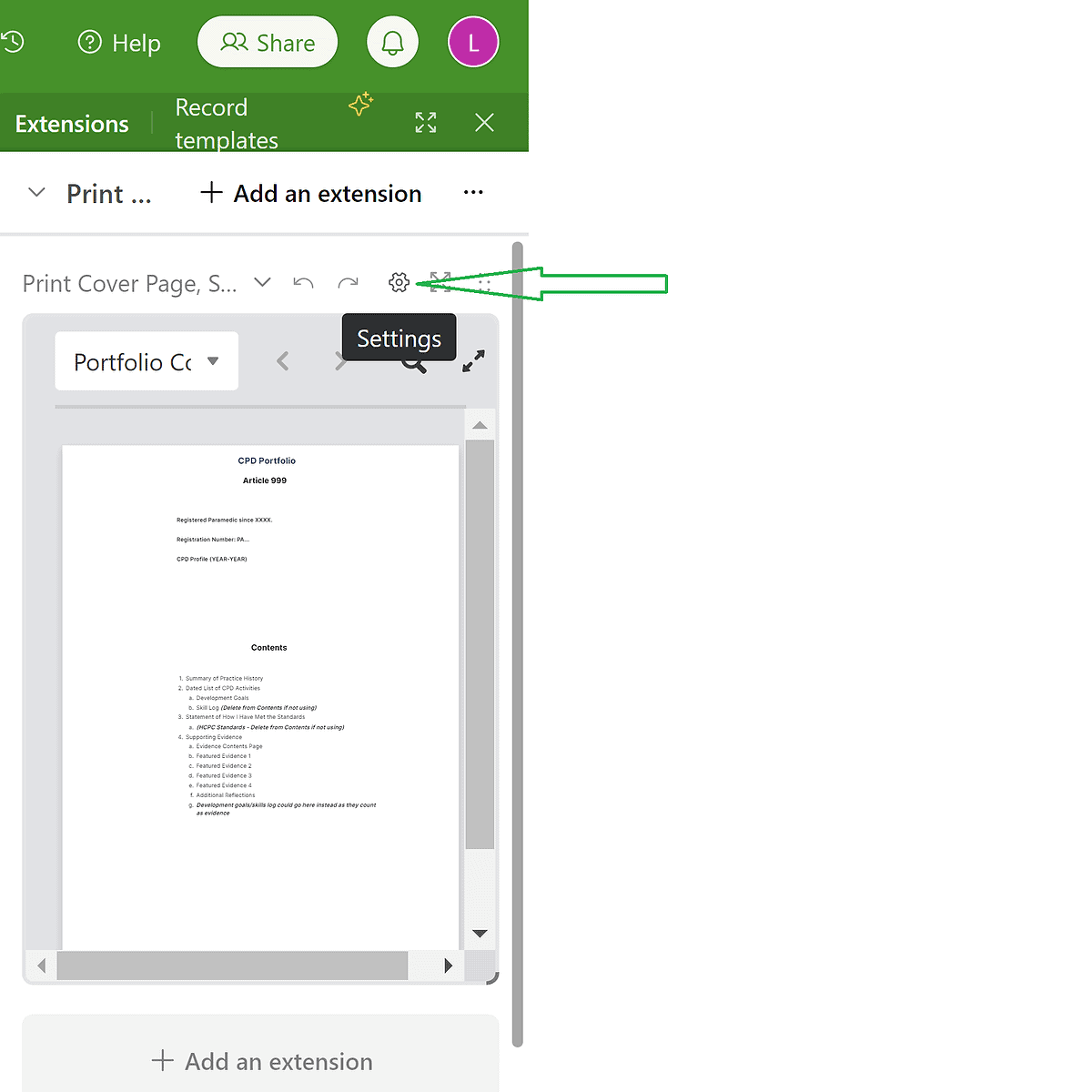
Please note: These videos demonstrate printing/exporting the NQP portfolio. However, all portfolios (post-NQP/Non HCPC/NQP) print in the same way. There is simply more to print in the NQP version. Non NQPs can safely skip parts about printing the NQP learning outcomes.
Please also note: The settings in the templates are such to enable printing to work properly and to ensure your NQP learning outcomes are in the correct format. Please do not change the settings, unless I have specifically advised that you can. NQPs, please print your learning outcomes from the given table to ensure your portfolio is accepted. If you are unsure, please do reach out.
For more information, please see the CPD Templates main page, and the Help File.
The full walkthrough:
00:00 Intro
03:40 Logging CPD
12:50 Editing the Cover Page
14:00 Editing the Summary of Practice History (and checking the word count)
14:47 Adding more category/tag options for your CPD log – using the ‘check all fields’ tab (which is *not* for printing.
17:00 Adding/Editing Development Goals 19: 40 Editing the Statement of How I Have Met the Standards (and checking the word count)
20:10 Checking, and a second way of logging the NQP Learning Outcomes. Searching for met/not met outcomes as well. Use of the signature(s) column(s).
23:00 Checking, and a second way of logging HCPC Development Goals.
24:40 Printing/Exporting
How to print/export the:
25:10 Cover Page – Using the extensions tab
28:20 Summary of Practice History – Using the extensions tab
29:14 Dated List of CPD Activities – Checking the fields & word count before printing
32:09 Dated List of CPD Activities – Printing/Exporting the CPD Log
37:40 Evidence List 39:40 Reflections – Using the Extensions tab
41:25 Skills
42:00 Development Goals
43:00 Statement of How I Have Met the Standards
44:01 NQP Learning Outcomes
45:20 HCPC Standards of Proficiency
46:20 Merging the PDFs, Adding Page Numbers, Editing
52:06 NQPs or anyone wanting signatures – How to get your portfolio signed electronically.
54:00 Final bits of advice, references, and support options.
The printing/exporting instructions only:
How to print/export the:
00:00 Cover Page
03:38 Summary of Practice History
04:38 Dated List of CPD Activities – Checking the fields & word count before printing
07:12 Dated List of CPD Activities – Printing/Exporting the CPD Log
12:45 Evidence List
15:00 Reflections
16:50 Skills
17:25 Development Goals
18:28 Statement of How I Have Met the Standards
19:39 NQP Learning Outcomes
20:45 HCPC Standards of Proficiency
22:30 Merging the PDFs, Adding Page Numbers, Editing
27:20 NQPs or anyone wanting signatures – How to get your portfolio signed electronically.
30:00 Final bits of advice, references, and how to seek support.
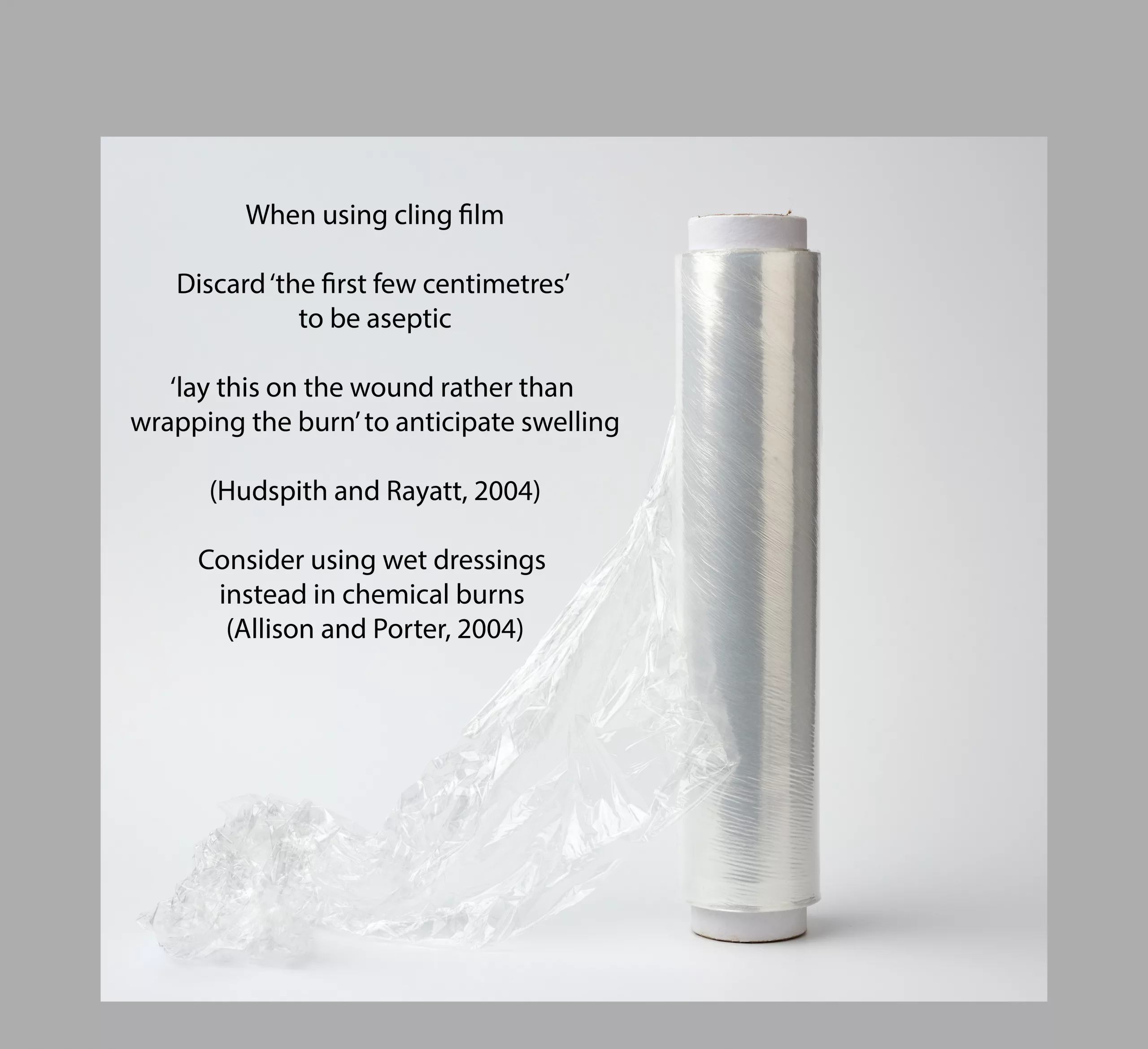
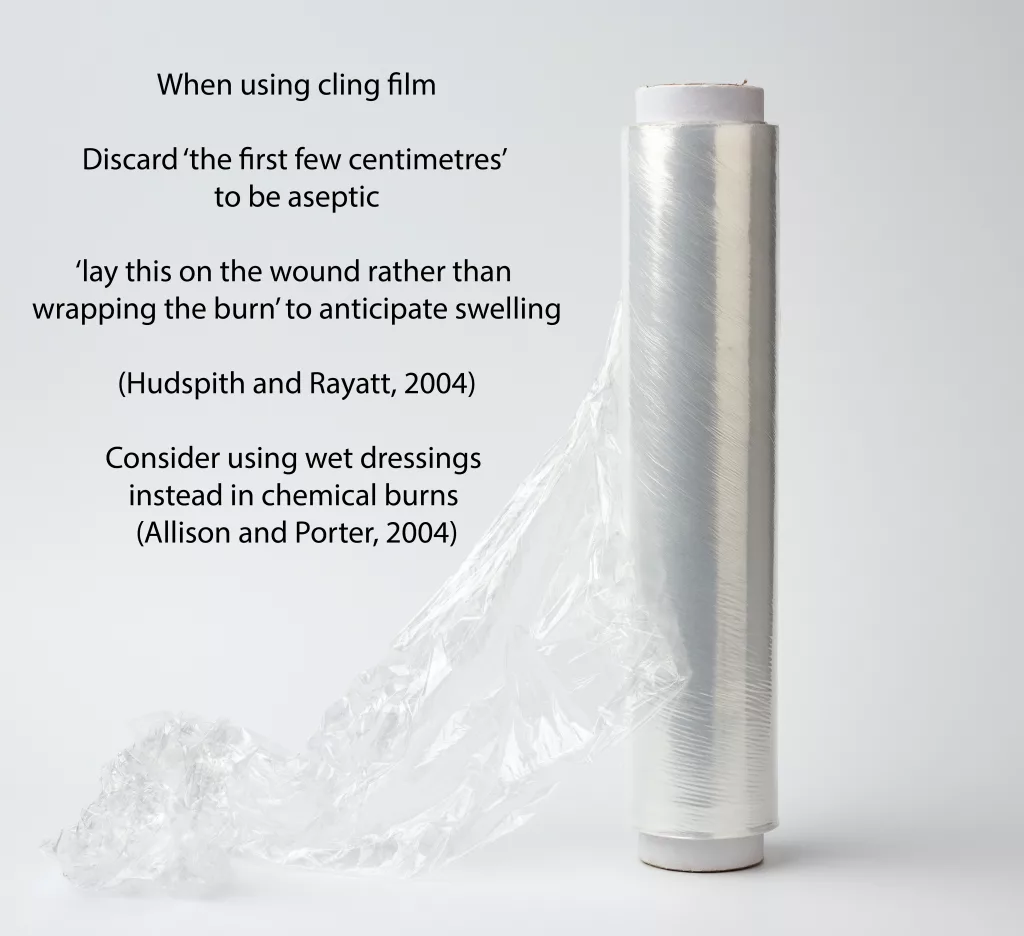
Fast Fact posts are designed to provide quick and easy ways to revise key topics – view a photo with a quote/fact by simply scrolling through the category. Refresh yourself during those middle-of-the-night breaks when you would have aimlessly scrolled through your phone. There is no need to read a lengthy post to do a little CPD. For more fast facts, head here.
Contents
Videos (below) – Split into 2
Transcript
Additional Information
References
Please read more about Article 999.
Please also take the time to read our disclaimer.
More
Adults under 65 who fall regularly may be interested in watching Article 999’s video about when to let your Doctor know about your falls. This is available on the over-65s page but please don’t be offended – the reasons to let your Doctor know will still be applicable.
[tabby title=”For Patients”]
*Full references at end of page
If you have fallen over and you’re not sure what to do, or would like some additional information, please keep watching. If an ambulance crew have seen you and you have not attended hospital, this video is also for you.
If you or the person you are watching this for has just fallen and the following apply, please call 999.
If you or they fall again, and the following applies, please call us back:
SYMPTOMS:
call 999
PAIN –
call 999
HOW IT HAPPENED –
call 999
If you have had alcohol, this may be hiding symptoms, making it more difficult for us to assess you. If you are intoxicated, you may be advised to attend a&e to rule out serious complications that are masked by the alcohol.
If you have been advised to attend a&e and have chosen not to, please make sure you have someone who can check in on you over the next 48 hours (NICE, 2014), and ask them to look out for these symptoms.
Also, if you take any medications to thin your blood, AND you have hit your head, you must attend a&e to be monitored and receive a scan of your head, a CT scan. Even if you have not drawn blood, you are still at risk of bleeding internally, especially in the brain because these medications are designed to prevent blood clots.
These medications might be called:
You might also be taking any of these antiplatelet medications:
(BNF, n.d.)
*These are more concerning when taken in combination, e.g. clopidogrel + aspirin
You should also attend a&e when taking these, or at minimum maintain extreme caution for the same reason. For more information about blood thinners and antiplatelets, please scroll below the video.
Don’t get up quickly. Roll onto your knees and use nearby stable furniture to push yourself up. Then, sit down until you feel able to continue with your day (NHS, 2021). If you are disabled, ensure use your mobility aids today to prevent yourself from falling again.
Remember, if you have hurt yourself, or you can’t get up, call for help. If you have one, you can press your personal alarm. You can call: family, friends, 999, or 111. Both 999 and 111 will lead to an ambulance arrival with a crew who can assess you and help you up. Both 999 and 111 result in the same ambulance service.
While you wait, the NHS recommends changing your position ‘at least once every half hour or so,’ (NHS, 2021) if you are able to and it is not painful to do so.
Keep yourself warm and let 999 know if anything gets worse.
PREVENTION –
To prevent yourself falling again, remove any objects that might have caused you to fall, avoid drinking too much alcohol, and ensure you wear appropriate safety equipment when performing sports, such as helmets when cycling.
https://natfonline.org/2020/08/falls-and-anticoagulation/
https://www.everydayhealth.com/news/need-know-side-effect-blood-thinners/
https://www.stoptheclot.org/living-your-best-life-while-taking-blood-thinners/
Age UK. (2020). Avoiding a fall. Available at: https://www.ageuk.org.uk/information-advice/health-wellbeing/exercise/falls-prevention/ (Accessed 12/10/2021).
Alter SM, Mazer BA, Solano JJ, et al. (2020). Antiplatelet therapy is associated with a high rate of intracranial hemorrhage in patients with head injuries. Trauma Surgery & Acute Care Open, 5(1), e000520
Alzheimer’s Society. (2021). Urinary tract infections and dementia. Available at: https://www.alzheimers.org.uk/get-support/daily-living/urinary-tract-infections-utis-dementia (Accessed 18/10/2021)
BNF. (N.D.). Antiplatelet drugs. Available at: https://bnf.nice.org.uk/treatment-summary/antiplatelet-drugs.html (Accessed 12/10/2021).
CDC. (2017). Assessment. Timed Up and Go. Available at: www.cdc.gov/steadi/pdf/TUG_Test-print.pdf (Accessed 12/10/2021).
The Chartered Society of Physiotherapy (CSP). (2015). Get up and go – a guide to staying steady. Available at: https://www.csp.org.uk/publications/get-go-guide-staying-steady-english-version (Accessed 12/10/2021).
CSP. (2017). Stay active at home – Strength and balance exercises for older adults. Available at: Stay Active at Home – Strength and balance exercises for older adults (Accessed 12/10/2021).
Dallas, M. (2015). The Need-to-Know Side Effect of Blood Thinners. Available at: https://www.everydayhealth.com/news/need-know-side-effect-blood-thinners/ (Accessed 18/10/2021).
Knott, L. (2021). Rhabdomyolysis and Myoglobinuria. Available at: https://patient.info/doctor/rhabdomyolysis-and-other-causes-of-myoglobinuria (Accessed 12/10/2021).
National Blood Clot Alliance. (n.d.). Living your best life while taking blood thinners. Available at: https://www.stoptheclot.org/living-your-best-life-while-taking-blood-thinners/ (Accessed 18/10/2021).
NHSa. (2021). Falls. Available at: https://www.nhs.uk/conditions/falls/ (Accessed 12/10/2021).
NHSb. (2021). Anticoagulant medications. Available at: https://www.nhs.uk/conditions/anticoagulants/ (Accessed 12/10/2021)
NHSc. (N.D.). Care Services, Equipment and Care Homes. Available at: https://www.nhs.uk/conditions/social-care-and-support-guide/care-services-equipment-and-care-homes/ (Accessed 12/10/2021).
NICEa. (2013). Falls in older people: assessing risk and prevention. Available at: https://www.nice.org.uk/guidance/cg161 (Accessed 12/10/2021).
NICEb. (2015). Falls in older people. Available at: https://www.nice.org.uk/guidance/qs86/chapter/About-this-quality-standard (Accessed 12/10/2021).
NICEc. (2019). Falls – risk assessment. Available at: https://cks.nice.org.uk/topics/falls-risk-assessment/ (Accessed 12/10/2021).
NICEd. (2014). Head injury: assessment and early management (NICE Clinical Guideline 176). Available at: https://www.nice.org.uk/guidance/cg176 (Accessed 16/06/2020).
NICEe. (2016; 2021). Spinal Injury: assessment and initial management. Available at: https://www.nice.org.uk/guidance/ng41/resources/spinal-injury-assessment-and-initial-management-pdf-1837447790533 (Accessed 19/10/2021).
Nishijima, D. (2012). Immediate and delayed traumatic intracranial hemorrhage in patients with head trauma and preinjury warfarin or clopidogrel use. Annals of Emergency Medicine, 59(6), pp: 460-468.
North American Thrombosis Forum. (2020). Falls and anticoagulation. Available at: https://natfonline.org/2020/08/falls-and-anticoagulation. (Accessed 18/10/2021).
Probst, M. et al. (2020). ‘Prevalence of Intracranial Injury in Adult Patients With Blunt Head Trauma With and Without Anticoagulant or Antiplatelet Use’. Annals of Emergency Medicine, 75(3), pp: 354-364.
Public Health England. (2017). Falls and fracture consensus statement – Supporting commission for prevention. Available at: https://assets.publishing.service.gov.uk/government/uploads/system/uploads/attachment_data/file/586382/falls_and_fractures_consensus_statement.pdf (Accessed 12/10/2021).
Saga, CSP, and PHE. (2015). Get Up and Go: A Guide to Staying Steady. Available at: https://www.csp.org.uk/system/files/get_up_and_go_0.pdf (Accessed 12/10/2021).
Soliman, Y., Meyer, R., And Baum, N. (2016). Falls in the Elderly Secondary to Urinary Symptoms. Reviews in Urology. 18(1), pp: 28-32.
Stiell, I. et al. (2003). ‘The Canadian C-Spine Rule versus the NEXUS Low-Risk Criteria in Patients with Trauma’, The New England Journal of Medicine. 349. pp: 2510-2518.
Skellet, S. et al (2021). Paediatric advanced life support Guidelines. Available at: https://www.resus.org.uk/library/2021-resuscitation-guidelines/paediatric-advanced-life-support-guidelines (Accessed 18/10/2021).
WHO. (2021). Falls. Available at: https://www.who.int/news-room/fact-sheets/detail/falls (Accessed 18/10/2021).
[tabby title=”Extra Info For HCPs”]
Please feel free to share this video with your patients, but please attach this link with it so that all accompanying information is also shared.
For more info about what Article 999 is, and why I am creating videos for patients, please see the ‘About Us’ page and click on the ‘About article 999 for patients’ tab.
Feel free to add comments or feedback. Please let us know how well received this is.
Thank you,
Louise Sopher
HCPC Registered Paramedic
Article 999 Founder
[tabbyending]