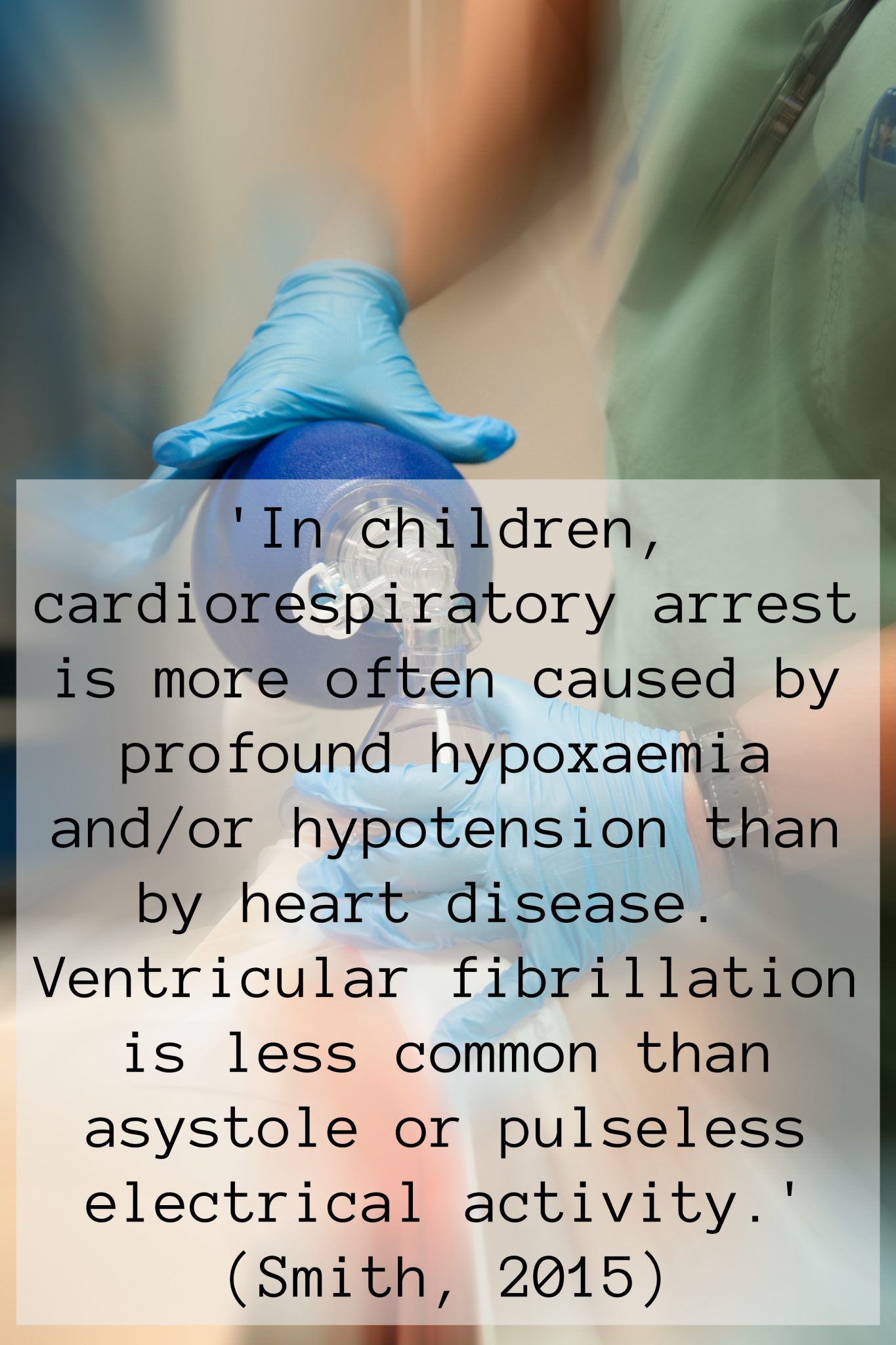
Smith, G. 2015. Prevention of cardiac arrest and decisions about CPR, Available Online: https://www.resus.org.uk/resuscitation-guidelines/prevention-of-cardiac-arrest-and-decisions-about-cpr/#decisions (Accessed 02/05/2018)
Designed to allow you to scroll through & refresh yourself on a particular topic, without having to navigate away from the home page.
Smith, G. 2015. Prevention of cardiac arrest and decisions about CPR, Available Online: https://www.resus.org.uk/resuscitation-guidelines/prevention-of-cardiac-arrest-and-decisions-about-cpr/#decisions (Accessed 02/05/2018)

If you’ve ever felt the frustration of being a student on Day 1 and having to retrieve the ventilator for your crewmate, you might enjoy this GIPHY.
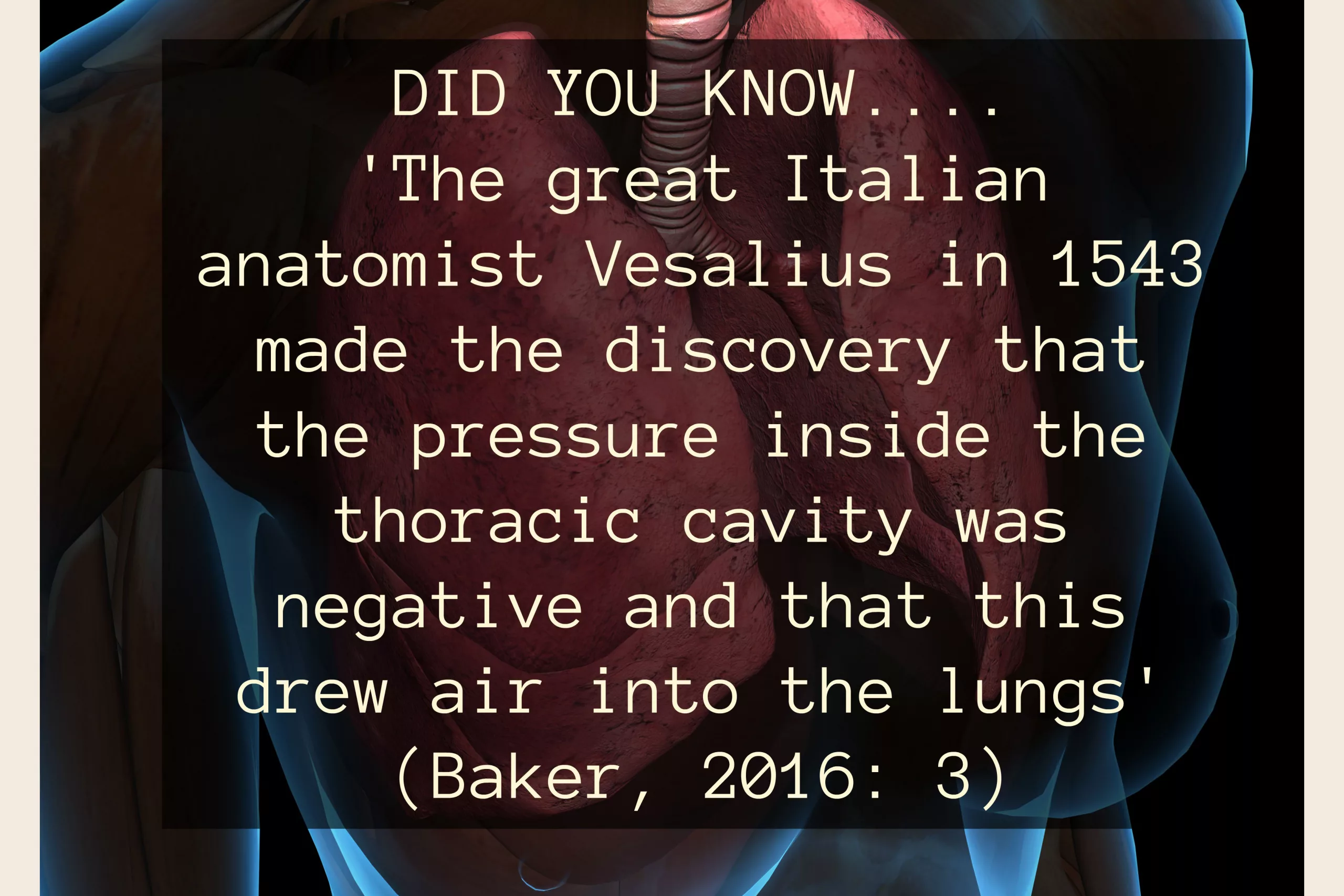

‘He opened the chest of a live animal and noted that air rushed in and the lungs collapsed, following which the heart stopped’ (Baker, 2016: 3).
His experiment was actually repeated in 1667 by one Robert Hooke. He used positive pressure ventilation to keep a dog, whose chest had been opened, alive. This was ‘the first demonstration that it was the gas entering and leaving the lungs which supported life and not the movement of the lungs themselves’ (Baker, 2016: 3-4).
This was one of many discoveries that birthed the idea of positive pressure ventilation, the understanding of negative pressure ventilation and the various forms of artificial ventilation that followed.
Reference
Baker, D. J. 2016. Artificial Ventilation: A Basic Clinical Guide, Springer International: Switzerland.


Reference
Newell, S.J. And Darling, 2014. J.C. Paediatrics: Lecture Notes, Ninth Edition, John Wiley & Sons: West Sussex
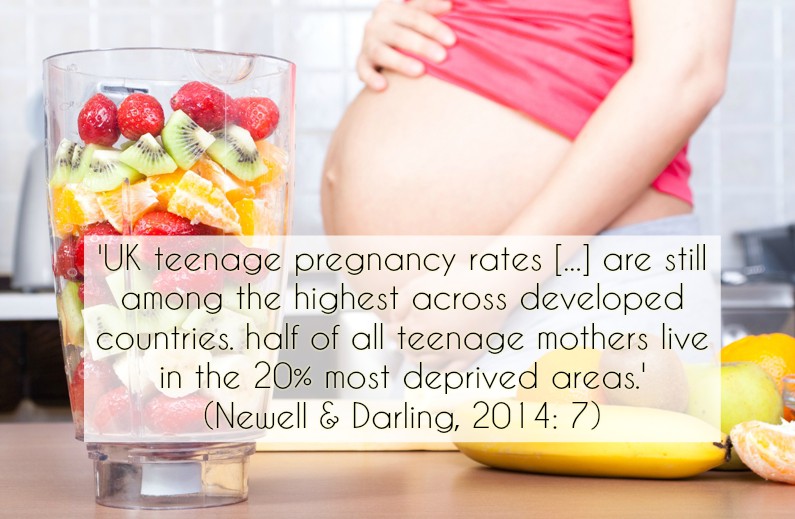
Reference:
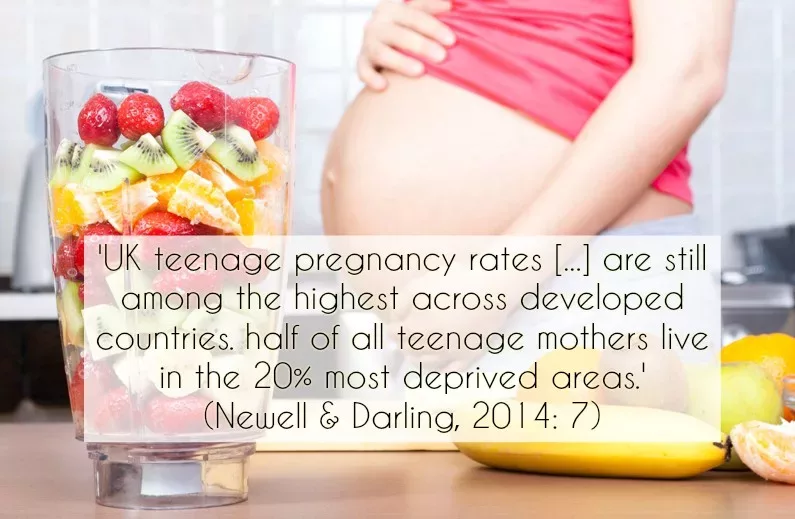
Newell, S.J. And Darling, 2014. J.C. Paediatrics: Lecture Notes, Ninth Edition, John Wiley & Sons: West Sussex


Reference
Newell, S.J. And Darling, 2014. J.C. Paediatrics: Lecture Notes, Ninth Edition, John Wiley & Sons: West Sussex
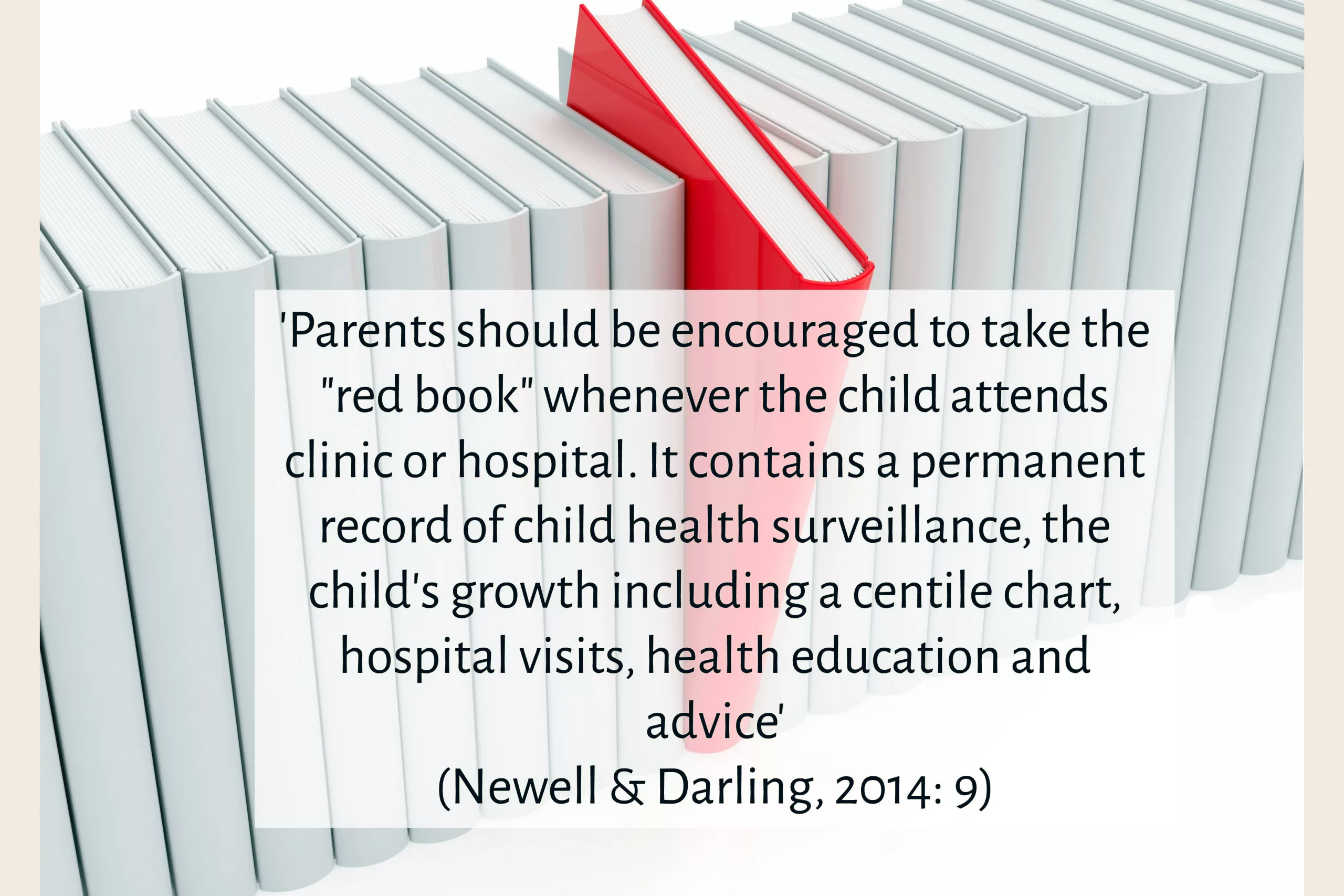
Reference:
Newell, S.J. And Darling, 2014. J.C. Paediatrics: Lecture Notes, Ninth Edition, John Wiley & Sons: West Sussex
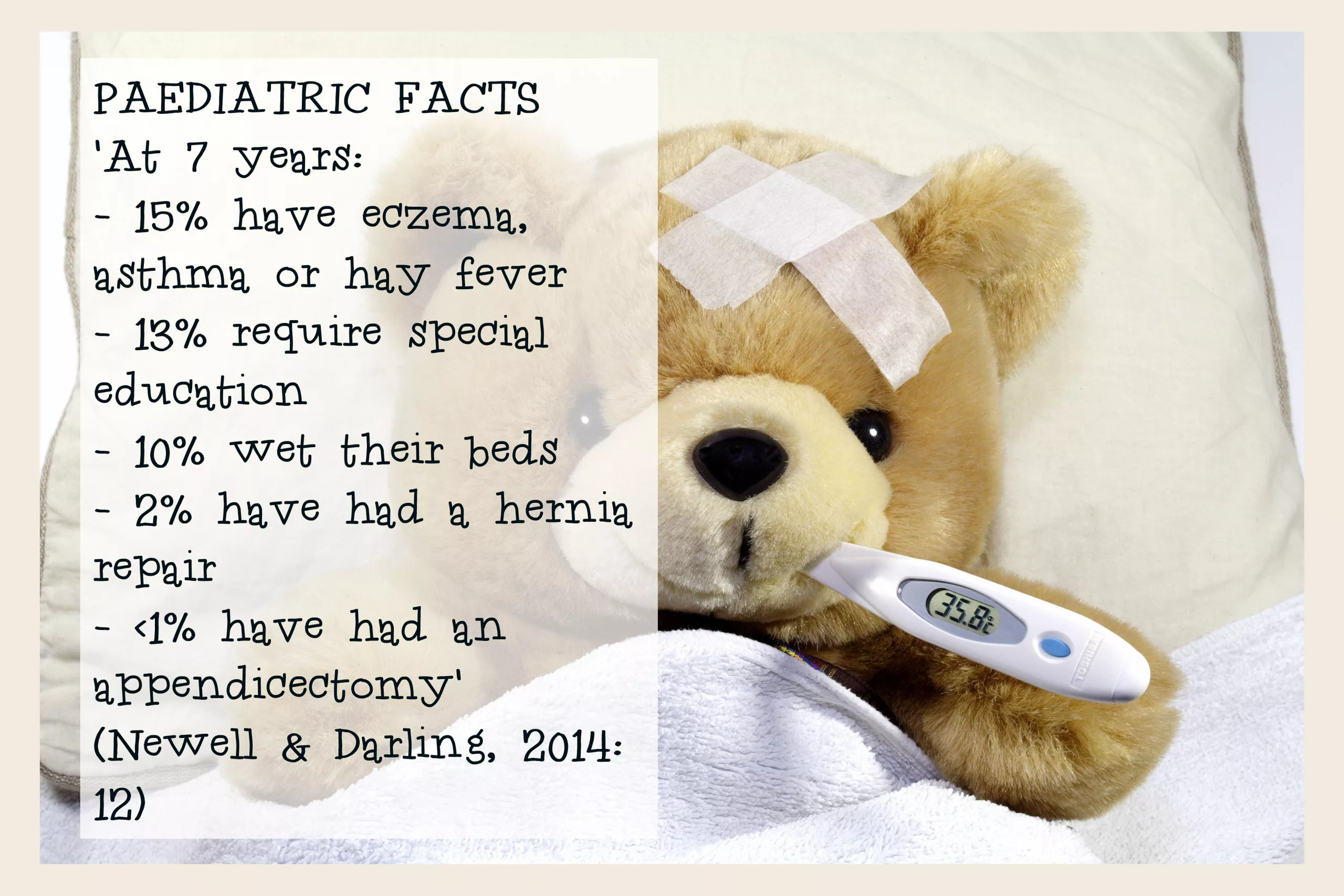
Reference:
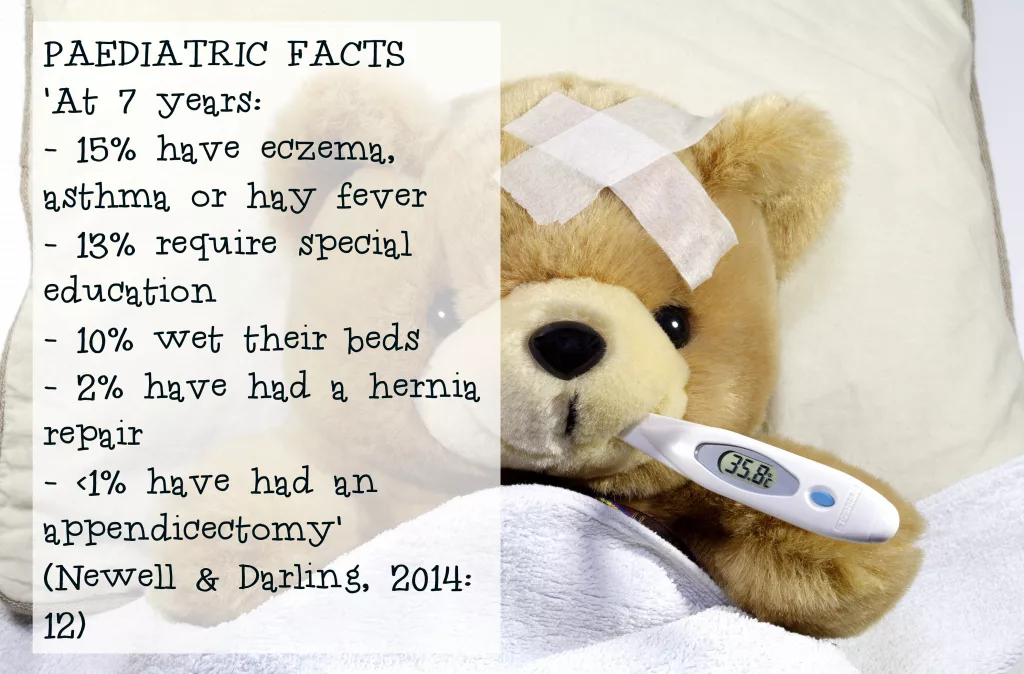
Newell, S.J. And Darling, 2014. J.C. Paediatrics: Lecture Notes, Ninth Edition, John Wiley & Sons: West Sussex

Article 999, being a website designed to provide reasonably trustworthy answers to paramedic/EMT questions, along with fast facts and a soon to be launched video library, normally abides by the academic, very legal, I’m-spending-far-too-much-a-month-on-good-design-and-royalty-free-photos, but not today. Today, we bring you an incredibly useful alternative to the Wong-Baker FACES pain scale (Wong-Baker Faces, 2016), the ‘highly unofficial LEGO Pain Assessment Chart’ by Life of Dad (Moles, 2014).
Perhaps otherwise known as a gentle criticism to the Wong-Baker (2016) scale, I thought Article 999’s image collection would go amiss without this attractive alternative:
https://www.lifeofdad.com/more-proof-that-everything-is-better-with-lego/
If you want to find this scale on the go, simply type in Article 999’s search box, FACES, pain scale, or Lego. Go ahead, try it*
*Obviously not endorsed by any organisation. The image’s usefulness is judged by this paramedic alone.
References
Moles, Jason (2014) More Proof that Everything is Better with Lego, Available Online: https://www.lifeofdad.com/more-proof-that-everything-is-better-with-lego/ (Accessed 09/09/2017)
Wong-Baker FACES (2016) Wong-Baker FACES Foundation, Available Online: http://wongbakerfaces.org/ (Accessed 09/09/2017)

Reference:
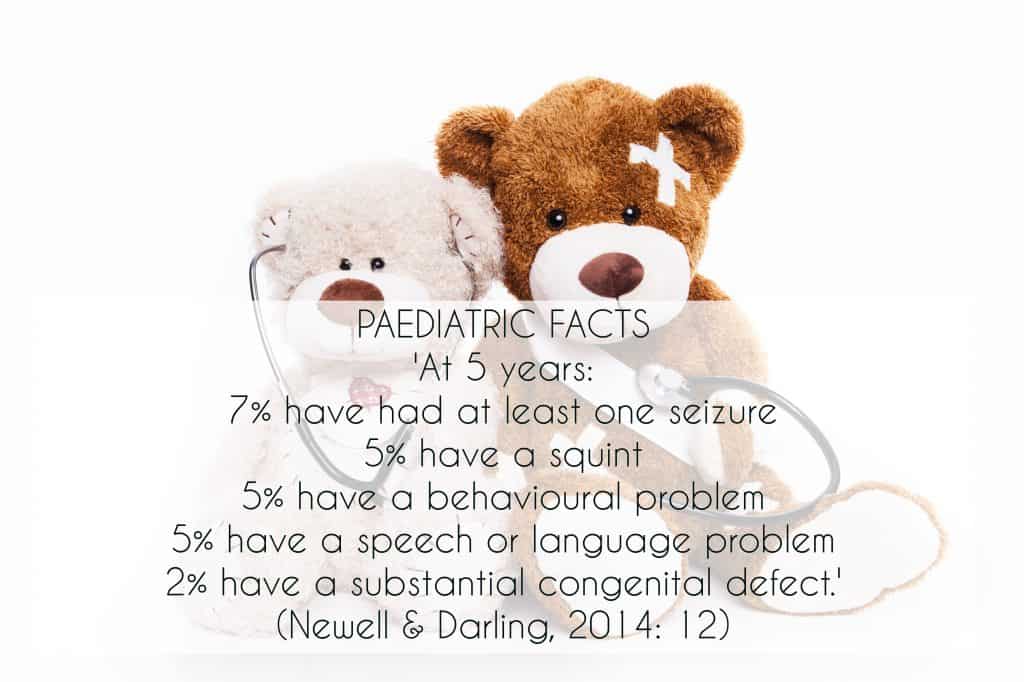
Newell, S.J. And Darling, 2014. J.C. Paediatrics: Lecture Notes, Ninth Edition, John Wiley & Sons: West Sussex