Reference:
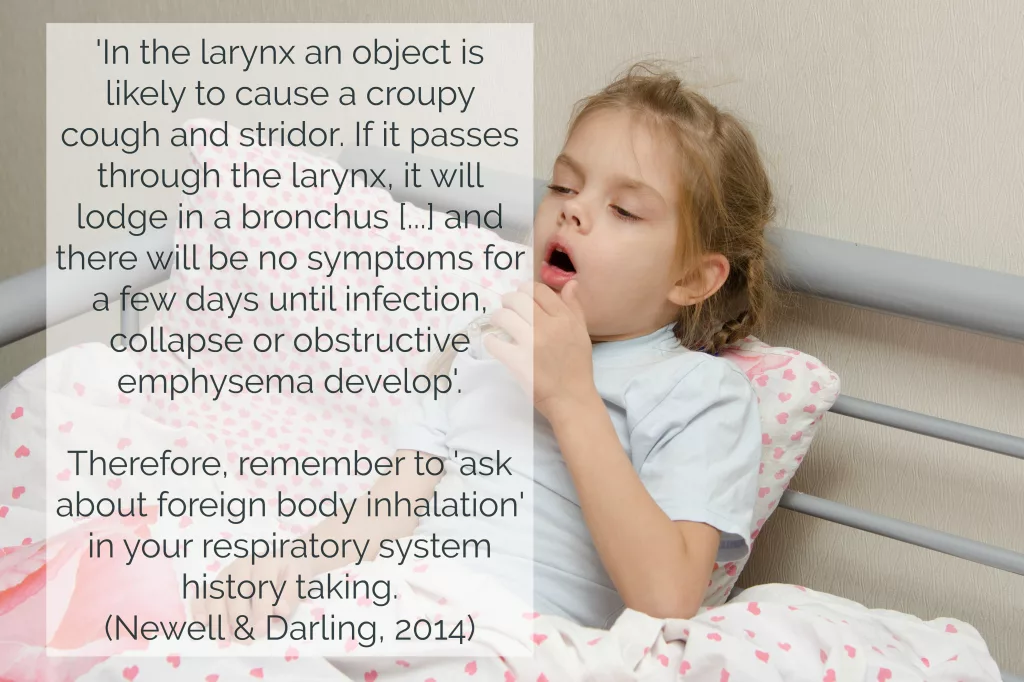
Newell, S.J. And Darling, 2014. J.C. Paediatrics: Lecture Notes, Ninth Edition, John Wiley & Sons: West Sussex
Designed to allow you to scroll through & refresh yourself on a particular topic, without having to navigate away from the home page.
Reference:
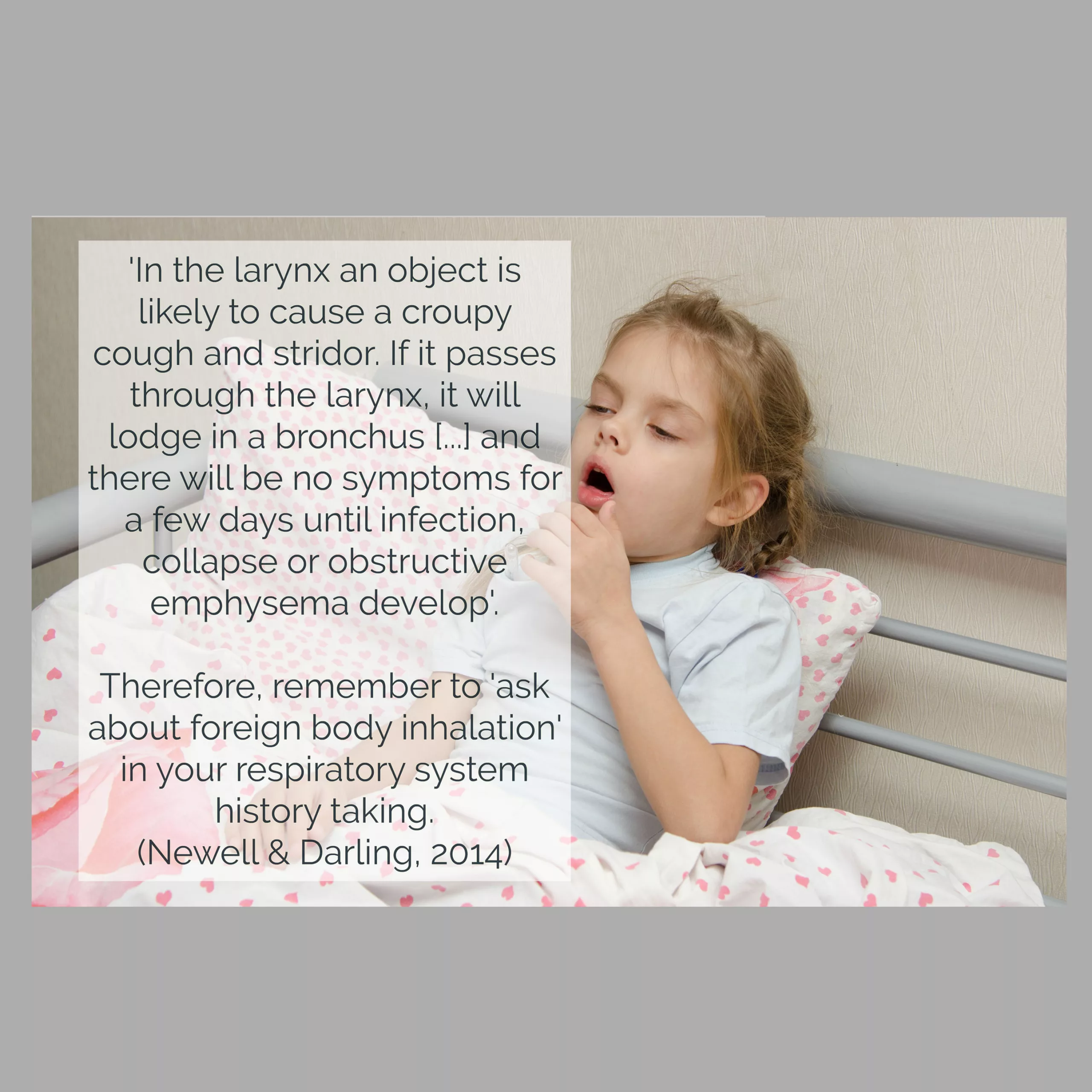
Newell, S.J. And Darling, 2014. J.C. Paediatrics: Lecture Notes, Ninth Edition, John Wiley & Sons: West Sussex
Reference:
Newell, S.J. And Darling, 2014. J.C. Paediatrics: Lecture Notes, Ninth Edition, John Wiley & Sons: West Sussex
Shaw, J. et al. 2017. ‘Can the prehospital National Early Warning Score identify patients most at risk from subsequent deterioration?’ Emergency Medical Journal, 34: 533-537
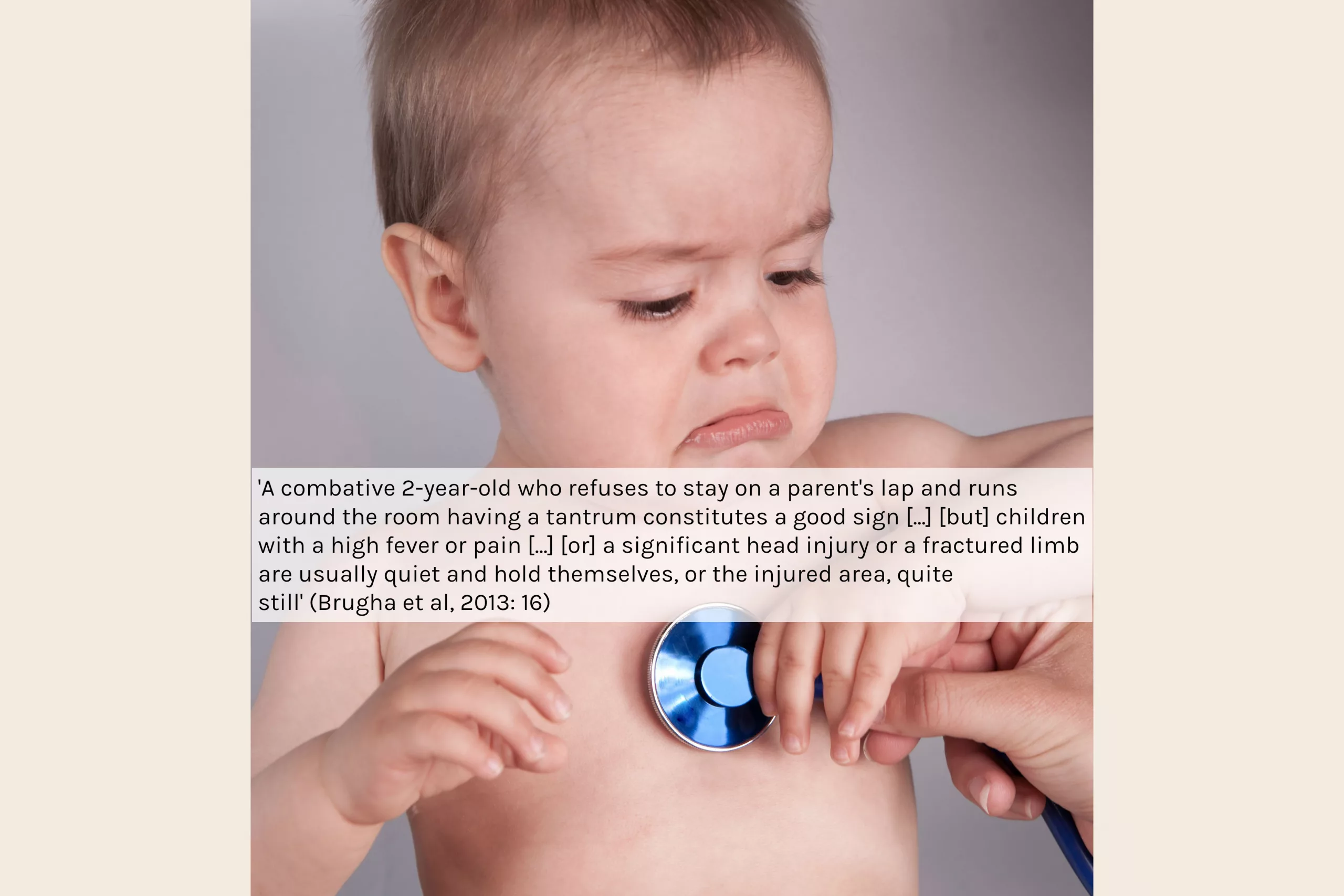
While this is very important, Brugha et al (2013) also warn that the child who isn’t quiet ‘may be distressed as a result of pain’ (Brugha et al, 2013: 16).
Reference
Brugha, R. et al, 2013. Paediatric Clinical Examination, London: JP Medical Ltd.
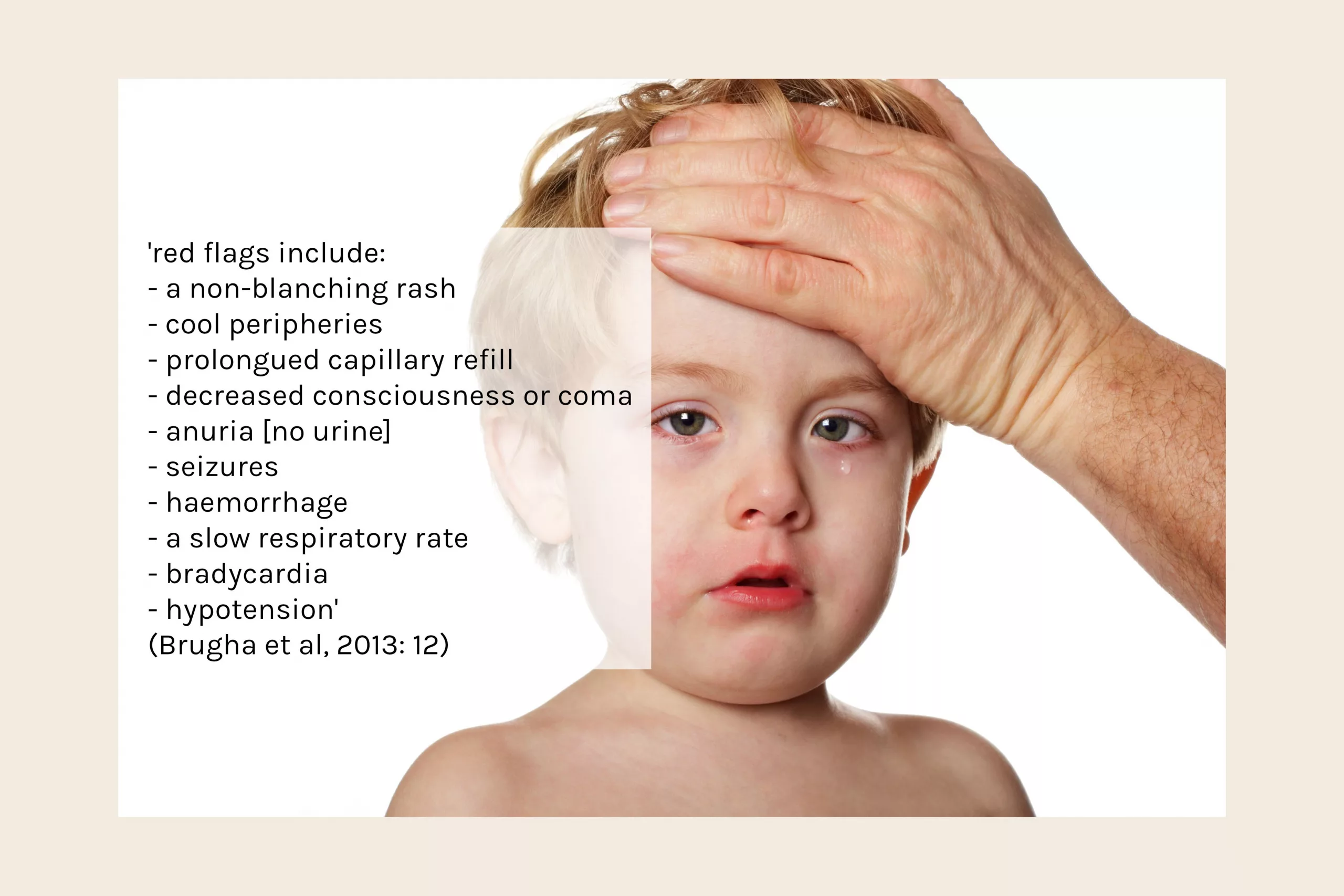

Reference
Bruga, R. et al. 2013. Paediatric Clinical Examination, London: JP Medical Ltd

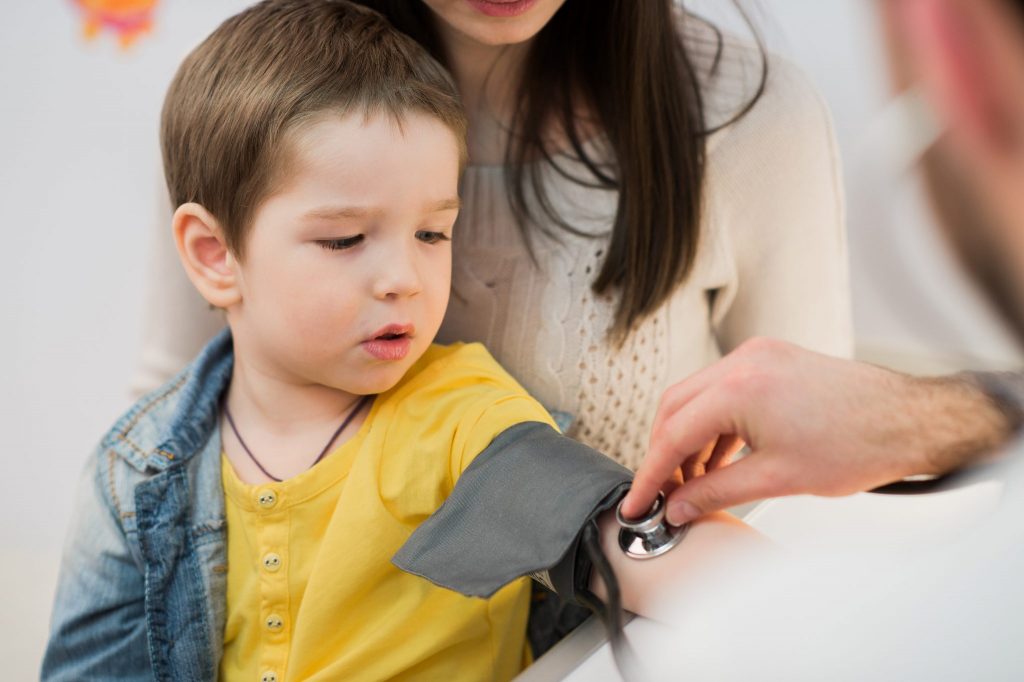
‘Children are able to maintain their blood pressure through physiological compensation mechanisms in the early phases of serious illness, and the early signs of illness may be quite subtle. […] Once a child decompensates, he or she can collapse extremely quickly’ (Brugha et al, 2013: 11).
Reference:
Brugha, R. et al (2013) Paediatric Clinical Examination, London: JP Medical Ltd
Also: What can cause adult disability?
According to Haran et al (2016), ‘Stroke is the third most common cause of death and largest cause of adult disability’
Haran et al, 2016, ‘Hyperacute stroke unit training for paramedics’, Journal of Paramedic Practice, Vol. 8. No. 10
Or:
When do you use a nasopharygeal airway?
‘…in the presence of trismus, an intact gag reflex, or oral trauma’ (Gregory & Mursell, 2010: 7)
Gregory, P. and Mursell, I. (2010) Manual of Clinical Paramedic Procedures, Sussex: John Wiley & Sons