Here’s another resource we have added to our database:
‘The Expert Patients Programme (EPP) is a six-week course for anyone living with one or more long term health conditions such as asthma, chronic fatigue, COPD, depression, diabetes, heart disease, MS, Parkinson’s disease, HIV, ME, on-going back pain etc.
The course is designed to help you cope with your health condition, find solutions to common problems & feel more in control.’
Attend weekly face-to-face sessions for free. Refer yourself or be referred by a health care professional. Provided by North East London NHS Foundation Trust.
Why, you ask? Because health literacy levels in this country are shockingly low – seriously, check out this map. Adults in the UK struggle to understand and interpret health information.
Read about Article 999’s mission to improve this (once there, click on the ‘about Article 999 for patients’ tab).
Article 999 is posting ‘what to do when’ style posts, tips and useful resources, and we are collating our own collection of resources including charities that offer mentoring. This collection is for you to search and learn and for clinicians to know what is out there to signpost you to. We have also had patient voices, including Alexandra Adams, posting about their health conditions to help others and to inform us from their own voice.
But we can’t do this alone. Article 999 is in need of patient voices – people who want to write about their experience of their health conditions and when they find they need to call emergency services, and what type of support they wish existed. We also need healthcare professionals including paramedics and physios who are keen to improve health literacy by providing carefully curated content that educates and improves understanding in our patients. Are you interested in these voluntary roles? If so, get in touch by emailing us at article999uk[at]gmail[dot]com. If you are an HCPC registered healthcare professional, remember that contributing to this project will help you achieve your updated HCPC standards of proficiency in relation to health promotion (standard 15.1). If you find it easier to have a certificate to upload as evidence of your contributions, we can provide one for you.
HCPs, how many patients have you met who don’t know that their GPs use online systems for messages and appointments? Patients, if you know about these, do you know how to use them? Patient Access remains a good system, but there is scattered use amongst services – and I don’t think enough people are aware of its existence. The NHS app can place part of its success in forced use resulting from COVID. But the competition in varying patient platforms means that not all GP surgeries make full use of the NHS app. All I can do on it, asides from viewing my GP record of course, is order repeat prescriptions. That, notably, is suitably easy to do on the app. My GP surgery uses the e-consult system, a handy triage and appointment-booking system in one package. But to access it I need to go to my GP surgery website, which seems to change its layout every so often. I then need to find the correct tab, answer some questions that are often unrelated to my complaint but serve to update my GP record, and type something in the box that makes it clear to my GP that I do need their help.
There are issues here, and these are personal bug-bears:
Knowledge, and knowing what to write – A large majority of people do need to be triaged to ensure they are accessing the correct service, but those who have tried various services before, or are contacting their GP at the appropriate time may not know what details the GP really needs. HCPs know that a young, healthy person asking about a cough that has been going on for a few weeks has approached primary care services at the right time compared to a person who has just written ‘cough’ in the field. As frontline clinicians, we are more receptive to an explanation from 111 rather than ‘cough,’ especially as this is likely to be a wrong-service wrong-problem kind of issue. If we as patients think we need a referral for ear problems, we know the GP is likely to realise the importance of our e-consult if we have written that we have already tried x antibiotic and had the problem for some time. For pain, have we already tried pain relief and other self-care solutions? We are more likely to put this in the field and, I would argue (though this is an opinion piece), we are subsequently more likely to have a faster and more appropriate response to our complaint. In my experience of seeing patients frontline, many of our patients would not know what to write. Health literacy rates are poor in this country (Gursul, 2022), and as Jones et al (2022) highlight, e-consult was launched without GP-surgery led implementation (read: training).
User confidence – I have many colleagues and friends, from various generations including my own, who are not confident using new systems. I have personally sat with people and coached them on how to use Office software or find system icons settings for their computer. I know many people feel overwhelmed by new systems and some feel overwhelmed by pre-existing systems. Learning their use requires patience and a belief that it is not going to be impossible to learn. Not having either of these leads to frustration. Again, patients have not been shown how to use any systems except, perhaps, the NHS app during COVID lockdowns – and even then that was only if they paid attention to adverts on social media. Our elderly patients are unlikely to see any of this content. Confident use of a system comes with regular use, yet many of our patients are unlikely to use these systems regularly.
Access – Some patients do not have smart phones or cannot afford internet access. We cannot find a solution that works for everyone, but we must give everyone the best opportunity to access the options available to them. As the small study (Jones et al, 2022) shows, GP surgery websites do not meet access requirements, and e-consult systems are not easily accessible for all patients. Some patients I have met did not even know these systems existed. GP surgeries need to do better to educate their patients and improve their websites. E-platform creators need to do better to advertise and make their systems accessible. A 2021 study by Bryce et al found awareness of online services in the West Midlands was at 60.8% – however, the authors found this percentage was more likely to consist of patients who used the Internet regularly and regularly saw their GP. That 60.8%, then, are patients who are more comfortable to technology and more exposed to healthcare providers. 60% might be over half, but that still leaves many behind. Patient groups should be on top of issues like this, raising them with their practices and pushing for better practice – but then, is their health literacy and awareness above 40-60% of the UK population? (Gursul, 2022). They must remember that as soon as they engage in health content and have the ability to analyse the information they receive, they are no longer representing the majority. An article by Clarke, Dias, and Wolters (2022) might conclude that ‘non-digital users’ are not ‘disadvantaged’ by online services, as long as traditional services continue, but many patients and HCPs alike will highlight the difficulty produced by large populations accessing GP surgeries by telephone – they are not call centres and cannot handle huge influxes of queries. People might not be disadvantaged, because they can still attempt to access the way they always did access their GP – but they are certainly not advantaged. In my experience some patients say they have not tried to call their GP because they didn’t believe they would get through, or because, as some elderly patients have said, it just isn’t as easy as it used to be.
In summary, I am suggesting that many patients don’t know what to type in fields that ask about their complaint, and many patients do not know how to use e-systems – even if they know that they exist. And, in a negative health culture, in which people expect to face issues dealing with health services, are people motivated and patient enough to learn these new systems?
I am not suggesting these systems cease to exist – I personally think they are beneficial, and I like most new technology. However, I do think we need to educate, encourage, support, and mentor our patients to utilise what is on offer.
HCPs and patients, what do you think?
References
Bryce C, et al. 2021. Online and telephone access to general practice: a cross-sectional patient survey. BJGP Open. 2021 Aug 24;5(4):BJGPO.2020.0179. doi: 10.3399/BJGPO.2020.0179. PMID: 33910917; PMCID: PMC8450875. Available at: https://www.ncbi.nlm.nih.gov/pmc/articles/PMC8450875/ (Accessed 28-Dec-2023).
Jones, RB. et al, 2022. Use and usability of GP online services: a mixed-methods sequential study, before and during the COVID-19 pandemic, based on qualitative interviews, analysis of routine eConsult usage and feedback data, and assessment of GP websites in Devon and Cornwall, England. BMJ Open. 7;12(3):e058247. doi: 10.1136/bmjopen-2021-058247. Available at: https://bmjopen.bmj.com/content/12/3/e058247 (Accessed 28-Dec-2023).
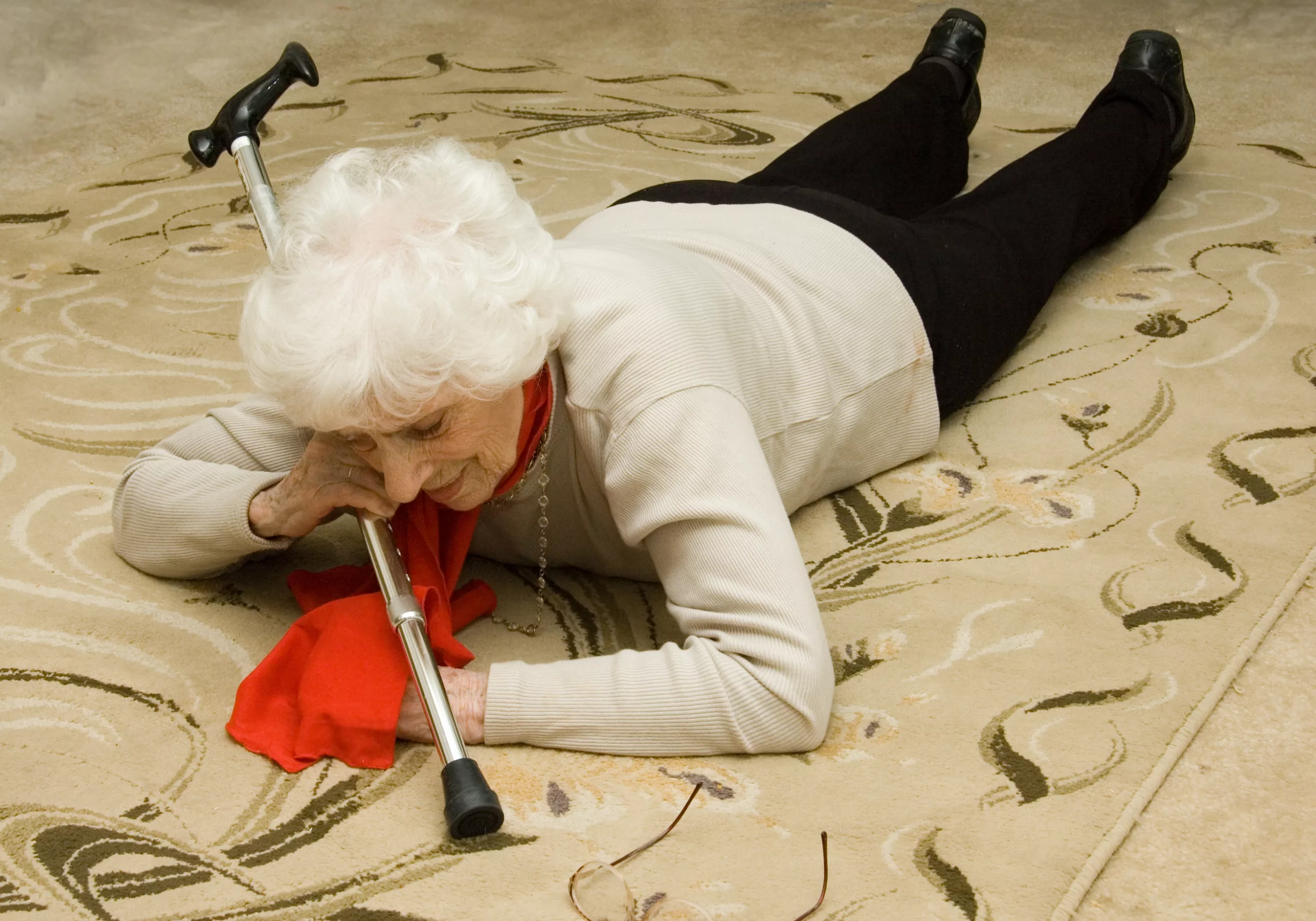
If you are 65 years old or above, you are at an increased risk of falling and serious injury from falling (NICE, 2013; WHO, 2021). But falling isn’t just a part of getting older, it’s often due to a combination of factors – over 400, in fact (NICE, 2015) – some more serious than others.
If you or the person you are watching this for has just fallen and the following factors apply, please CALL 999. If you or they fall again, and the following apply, please CALL US BACK, no matter what time it is. Finally, if you have been advised to attend a&e and have chosen not to, please make sure you have someone who can check in on you over the next 48 hours (NICE, 2014). You and they should look out for:
Breathing difficulties or chest pain
A change in your behaviour, for example if you feel more irritated or confused than normal.
Vomiting
Dizziness, or feeling faint when you stand up
Persistent headaches
Memory changes – are you forgetting events since, or before, you fell over?
Seizures
Losses of consciousness, including faints.
Any loss of sensation in your limbs or sudden new weaknesses, including signs of strokes.
Swollen, painful muscles
Or if you’re unable to mobilise, can’t get up from the floor, or develop any new pain
*This is not an exhaustive list.
Call 999.
If you have had alcohol, this may be hiding symptoms, so you may be advised to attend a&e.
Also, if you have fallen, hit your head, and you take blood thinners, or medications called anti-platelets, you need to be cautious.
You must attend a&e to be monitored and receive a scan of your head, a CT scan. Even if you have not drawn blood, you are still at risk of bleeding internally, especially in the brain because these medications are designed to prevent blood clots.
These medications might be called:
Warfarin
Rivaroxaban
Dabigatran
Apixaban
Edoxaban
Heparin (injection)
Antiplatelet medications include clopidogrel, aspirin.
And others shown on the screen:
Dipyridamole
Prasugrel
Ticagrelor
Cangrelor
(BNF, n.d.)
*These are more concerning when taken in combination, e.g. clopidogrel + aspirin
You must maintain extreme caution if you are on these medications. For more information about blood thinners and antiplatelets, please scroll below the video.
If none of this applies to you, but you are on the floor and you’re not hurt, don’t get up quickly.
Roll onto your knees and use nearby stable furniture to push yourself up. Then, sit down until you feel able to continue with your day (NHS, 2021).
Remember, if you’re not hurt but you still can’t get up, call for help. If you have one, you can press your personal alarm. You can call: family, friends, 999, or 111. In this circumstance, both 999 and 111 will lead to an ambulance arrival with a crew who can assess you and help you up. Both 999 and 111 result in the same ambulance service.
While you wait, the NHS recommends changing your position ‘at least once every half hour or so,’ (NHS, 2021) if you are able to and it is not painful to do so. Keep yourself warm and let 999 know if anything gets worse.
Be aware of what might have caused or contributed to your fall, and let the ambulance crew know when they arrive.
Additional Information
When to speak to your doctor:
6 out of 10 falls happen at home (SAGA, CSP, PHE, 2015), so there are often contributing factors – and there are ways we can help prevent these from causing you to fall.
If you are noticing an increase in your urine output, you should request a urine dip from your doctor in case you have a urine infection, which might make you confused (Alzheimer’s Society, 2021), or rush to the toilet (Soliman, Meyer, and Baum, 2016), often leading to falls.
If you are falling more often,
If your balance has worsened gradually,
Or you’re noticing a gradual worsening in the way you walk,
Or you’re feeling afraid of falling
*If anything mentioned here happens suddenly, you must call 999.
… You should ask for a falls assessment from your doctor. Health care professionals will look for factors contributing to your falls, which may range from problems with your eyes to problems with your bones, and looking at your medications to see if they are causing side effects (Saga, CSP, PHE, 2015).
They may also look at your home environment and identify items that could cause you to trip, even if they never have before. Ambulance crews might also point these out if they are attending to you. They should also ask to refer you for this falls assessment. (NICE, 2013)
Scroll beneath the video to find a link for information on how to get equipment, grants to pay for additional items, and personal alarms if you fall.If you have purchased your own keysafe, make sure you pass on the code to the ambulance service in case you cannot answer the door.
Thank you.
Links:
For equipment such as hand and grab rails, commodes, raised toilet seats, slip mats for the shower, grants to pay for additional items, and personal alarms if you fall, please follow this link. You should be able to get financial support from your local council for some of these items.
Alter SM, Mazer BA, Solano JJ, et al. (2020). Antiplatelet therapy is associated with a high rate of intracranial hemorrhage in patients with head injuries. Trauma Surgery & Acute Care Open, 5(1), e000520
NICEd. (2014). Head injury: assessment and early management (NICE Clinical Guideline 176). Available at: https://www.nice.org.uk/guidance/cg176 (Accessed 16/06/2020).
Nishijima, D. (2012). Immediate and delayed traumatic intracranial hemorrhage in patients with head trauma and preinjury warfarin or clopidogrel use. Annals of Emergency Medicine, 59(6), pp: 460-468.
North American Thrombosis Forum. (2020). Falls and anticoagulation. Available at: https://natfonline.org/2020/08/falls-and-anticoagulation. (Accessed 18/10/2021).
Probst, M. et al. (2020). ‘Prevalence of Intracranial Injury in Adult Patients With Blunt Head Trauma With and Without Anticoagulant or Antiplatelet Use’. Annals of Emergency Medicine, 75(3), pp: 354-364.
Soliman, Y., Meyer, R., And Baum, N. (2016). Falls in the Elderly Secondary to Urinary Symptoms. Reviews in Urology. 18(1), pp: 28-32.
Stiell, I. et al. (2003). ‘The Canadian C-Spine Rule versus the NEXUS Low-Risk Criteria in Patients with Trauma’, The New England Journal of Medicine. 349. pp: 2510-2518.
Please feel free to share this video with your patients, but please attach this link with it so that all accompanying information is also shared.
For more info about what Article 999 is, and why I am creating videos for patients, please see the ‘About Us’ page and click on the ‘About article 999 for patients’ tab.
Feel free to add comments or feedback. Please let us know how well received this is.
A history of falls in the past year is the single most important risk factor for falls and is a predictor of further falls.
This video has been created by Paramedics in response to the number of patients we are coming across who are unsure what to do when they have a high temperature or don’t know that the signs and symptoms they are experiencing may mean that they have a high temperature.
If this sounds like you, don’t worry, you’re not alone:
42% of working-age adults are unable to understand and make use of everyday health information, rising to 61% when numeracy skills are also required for comprehension
Public Health England (2015)
As Paramedics, we are frequently advising patients to take paracetamol if they are in pain – unless they have been specifically told not to. We are also advising patients to take off excess layers when they have high temperatures, even if they feel cold.I hope the video is helpful and informative. If there are any concerns, please let me know in the comment box below.
Questions
How do I know I can trust this information?
Made by an HCPC Registered (and practicing) Paramedic
Peer reviewed by other HCPC Registered Paramedics
Informed by research & real-life experience
Referenced
Are you a company? Who funds you?
Nope, just a website run by a Paramedic, without funding or sponsorship. If this changes, I’ll update this answer.
Can I share the video?
Yes, please do – but any shares must be accompanied by this link:
This license requires that reusers give credit to the creator. It allows reusers to copy and distribute the material in any medium or format in unadapted form only, even for commercial purposes.
I am a patient/member of the public. Can I contact you for medical advice?
Sadly, due to a whole combination of grey area legalities, I’m unable to offer direct medical advice, and these requests will not be responded to.
If you are a chemotherapy patientand you have had recent chemotherapy.
If you have new signs of other conditions, such as difficulty breathing, chest pain, or sudden weaknesses (signs of strokes).
If you do not have any of the above but you think you need to seek help. Your options are: 111, 999, self-transport to A&E, GPs, or urgent care centres.
How do I take my temperature?
The NHS has some useful information about this here.
Do I need to have an ear thermometer?
This is a question of much debate. In the link above, the NHS advises not using forehead strip thermometers due to lack of accuracy. Patient.info advises a blanket avoidance of forehead thermometers. Elsewhere on NHS sites, you’re advised that you don’t need a thermometer to work out if you have a temperature – you’ll likely feel hot to touch.
Is a temperature 37.8 or 38?
This is also a subject of much debate. In the NHS, here says 38C. As does here – in adults. NHS Scotland says 37.8. I have chosen the lower threshold.
References
Derry, C.J. et al, 2014. Caffeine as an analgesic adjuvant for acute pain in adults. [online] Available at: https://www.cochrane.org/CD009281/SYMPT_caffeine-analgesic-adjuvant-acute-pain-adults (Accessed 21/01/21)
Jensen, M.M. & Brabrand, M. 2015. ‘The relationship between body temperature, heart rate and respiratory rate in acute patients at admission to a medical care unit’ in Scandinavian Journal of Trauma, Resuscitation and Emergency Medicine, 23: A12.
Knott, L. 2018. Fever. [online] Available at: https://patient.info/signs-symptoms/fever (Accessed 25/01/21)
NHS, 2021. When to self-isolate and what to do. [online] Available at: https://www.nhs.uk/conditions/coronavirus-covid-19/self-isolation-and-treatment/when-to-self-isolate-and-what-to-do/ (Accessed 25/01/21)
NHSb, 2020. High temperature (fever) in adults. [online] Available at: https://www.nhs.uk/conditions/fever-in-adults/#:~:text=A%20high%20temperature%20is%20usually,your%20body%20fighting%20an%20infection.
NHS Inform, 2020. Fever in adults. [online] Available at: https://www.nhsinform.scot/illnesses-and-conditions/infections-and-poisoning/fever-in-adults (Accessed 25/01/21)
NPS MedicineWise, 2010. Paracetamol with caffeine (Panadol Extra) available over the counter from pharmacies. [online] Available at: https://www.nps.org.au/radar/articles/paracetamol-with-caffeine-panadol-extra-available-over-the-counter-from-pharmacies (Accessed 21/01/21)
Sorensen, K. et al, 2015. Health Literacy in Europe: Comparative results of the European Health Literacy Survey (HLS-EU), The European Journal of Public Health, 25: 6.