1 Trauma – Page 2 – Article 999: Refresh, support, advance UK public health literacy & Paramedics (and similar roles).

Category: Trauma

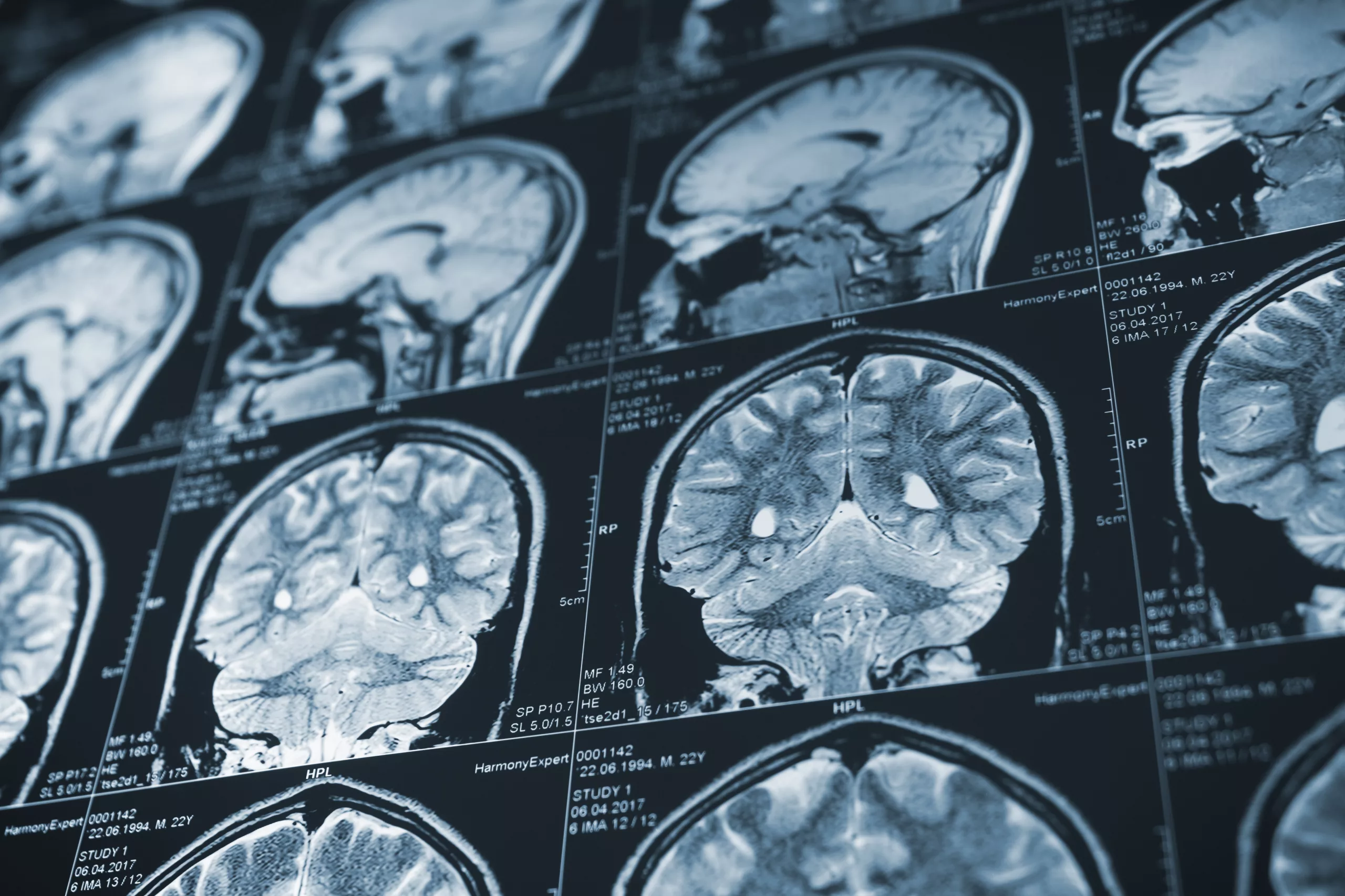
  • Revise the NICE Head Injury Guidance in Under 5 Minutes

    Revise the NICE Head Injury Guidance in Under 5 Minutes

    Check out the video summary below.

    For more information, have a look at the related Article 999 post here.

    Other posts that may interest you:

    Fast Fact: Head Injury is the commonest cause of death

    Reference: National Institute for Health and Care Excellence. (2014). Head injury: assessment and early management (NICE Clinical Guideline 176). Retrieved from https://www.nice.org.uk/guidance/cg176

    This has not yet been peer reviewed. Comment and review below 🙂

  • What does NICE say about head injuries?

    What does NICE say about head injuries?

    This post is based on the NICE Clinical Guidelines, 2014. One part of their guidelines was in turn updated in 2019.

    This post shows the key points and quotes as they relate to frontline ambulance staff; anything not relevant has not been included, but you may read more by following the link to the guidelines here.

    Remember to read our disclaimer before putting into practice anything you see, hear, or read here. Also remember to check your local guidelines and the scope of practice for your role before putting any of this into practice.

    Article 999: Simplifying the Long Stuff; Presenting the Relevant Stuff; Refreshing you on the Important Stuff.

    www.article999.co.uk

    Definition of Head Injuries

    ‘any trauma to the head other than superficial injuries to the face.’ p6

    National Institute for Health and Care Excellence [NICE], 2014: 6

    Statistics

    ‘Head injury is the commonest cause of death and disability in people aged 1-40 years in the UK.’

    NICE, 2014: 6

    ‘The incidence of death from head injury is low, with as few as 0.2% of all patients attending emergency departments with a head injury dying as a result of this injury.’

    NICE, 2014: 6

    ‘the majority of fatal outcomes are in the moderate (GCS 9-12) or severe (GCS 8 or less) head injury groups’

    NICE, 2014: 6

    When might adults need to attend A&E for a CT head scan following a head injury?

    ‘For adults who have sustained a head injury and have any of the following risk factors’

    • Reduced GCS, ‘less than 13’ initially, or ‘less than 15 at 2 hours after the injury on assessment in the emergency department’*
    • suspected skull fracture of any type
    • ‘post-traumatic seizure’
    • Neurological deficit
    • ‘More than 1 episode of vomiting’

    –> This should happen within one hour of identifying the situation.

    (NICE, 2014: 10)

    *Consider ‘the pre-injury baseline GCS may be less than 15. Establish this where possible’ (NICE, 2014: 19).

    If the patient is on anticoagulants and has none of the above, they should have a CT head ‘within 8 hours of the injury’. (NICE, 2014: 12)

    When might adults need to attend A&E for a CT cervical spine following a head injury?

    • ‘The patient has been intubated’
    • ‘The patient is having other body areas scanned for head injury
    • ‘…there is clinical suspicion of cervical spine injury and any of the following apply:
      • => 65
      • ‘dangerous mechanism of injury’
      • neuro deficit
      • ‘paraesthesia in the upper or lower limbs’

    (NICE, 2014: 13)

    When might children need to attend hospital for a CT head scan following a head injury?

    Any of:

    • ‘Suspicion of non-accidental injury’
    • ‘Post-traumatic seizure but no history of epilepsy’
    • Reduced GCS <14 initially, <15 2 hours later
    • For under 1 year olds, Reduced GCS <15 on the paediatric scale
    • Suspected skull fracture of any type
    • Neuro deficit
    • For under 1 year olds, ‘presence of bruise, swelling or laceration of more than 5 cm on the head’

    (NICE, 2014: 11)

    If a child has ‘more than one’ of these, he/she should have a CT scan within an hour:

    • ‘Loss of consciousness lasting more than 5 minutes (witnessed)’
    • ‘Abnormal drowsiness’
    • Vomiting x3 or more episodes
    • ‘Dangerous mechanism of injury (high-speed road traffic accident either as pedestrian, cyclist or vehicle occupant, fall from a height of greater than 3 metres, high-speed injury from a projectile or other object)’
    • ‘Amnesia […] lasting more than 5 minutes’

    (NICE, 2014: 11)

    Note: If the child has just one of these, he/she ‘should be observed for a minimum of 4 hours after the head injury’ and if he/she then develops more of the above, a CT is warranted. (NICE, 2014: 12)

    The rules regarding CT cervical spine scans are different in children, compared to adults, due to the risk of radiation to their thyroid.

    ‘Consider or suspect abuse as a contributory factor to or cause of head injury in children’ (NICE, 2014: 7)

    For what other reasons should an adult or child with a head injury attend A&E?

    • loss of consciousness
    • ‘Amnesia for events before or after the injury’
    • ‘Persistent headache since the injury’
    • ‘Any vomiting episodes since the injury’ – but NICE advise considering the causes of single vomiting episodes in those under 12
    • ‘Any seizure since the injury’
    • ‘Any previous brain surgery’
    • ‘A high-energy head injury’
    • ‘Any history of bleeding and clotting disorders’
    • Anticoagulants
    • ‘Current drug or alcohol intoxication’
    • Safeguarding issues
    • ‘Continuing concern by the professional about the diagnosis’
      (NICE, 2014: 17-18)

    And:

    • Patients who, 48 hours later, have ‘any persistent complaint relating to the initial head injury’
      (NICE, 2014: 23)

    Also, ‘depending on judgement of severity:’

    • ‘irritability or altered behaviour’
    • Other ‘Visible trauma to the head […] of concern to the professional’
    • ‘No one is able to observe the injured person at home’
    • ‘Continuing concern by the injured person or their family or carer about the diagnosis’
      (NICE, 2014: 18)

    What else should I consider in my assessment and treatment of a patient with a head injury?

    • For adults, NICE recommends ‘managing their care according to clear principles and standard practice’ as in the ATLS and PHTLS courses, and the JRCALC for adults, and the APLS and PHPLS courses for children. There are others referenced, but Article 999 has included the most relevant here.
      (NICE, 2014: 19-20)
    • ‘Manage pain effectively because it can lead to a rise in intracranial pressure’
      (NICE, 2014: 21)
    • ‘Ascribe depressed conscious level to intoxication only after a significant brain injury has been excluded’
      (NICE, 2014: 21-22)
    • Pre-alert patients with a reduced GCS, especially of <8. They will most likely need anesthetist or critical care involvement
      (NICE, 2014: 21-22)

    What’s worth bearing in mind during hospital-neuroscience unit transfers of patients with head injuries?

    • Patients who have a GCS of less than 8 should be intubated
    • Before transporting, make sure to stabilise the patient and ensure monitoring is attached
    • A patient ‘with persistent hypotension’ should not be transported until they are ‘stabilised’
      (NICE, 2014: 32-33)

    During these transfers, patients ‘should be accompanied by a doctor with appropriate training and experience in the transfer of patients with acute brain injury. […] Patients requiring non-emergency transfer should be accompanied by appropriate clinical staff.’

    NICE, 2014: 32-33

    Reference

    National Institute for Health and Care Excellence. (2014). Head injury: assessment and early management (NICE Clinical Guideline 176). Retrieved from https://www.nice.org.uk/guidance/cg176

    Article 999: Simplifying, Presenting, Refreshing

    #medicalwriting #nice #paramedic #emt #frontline #emergency #ambulance #headinjury

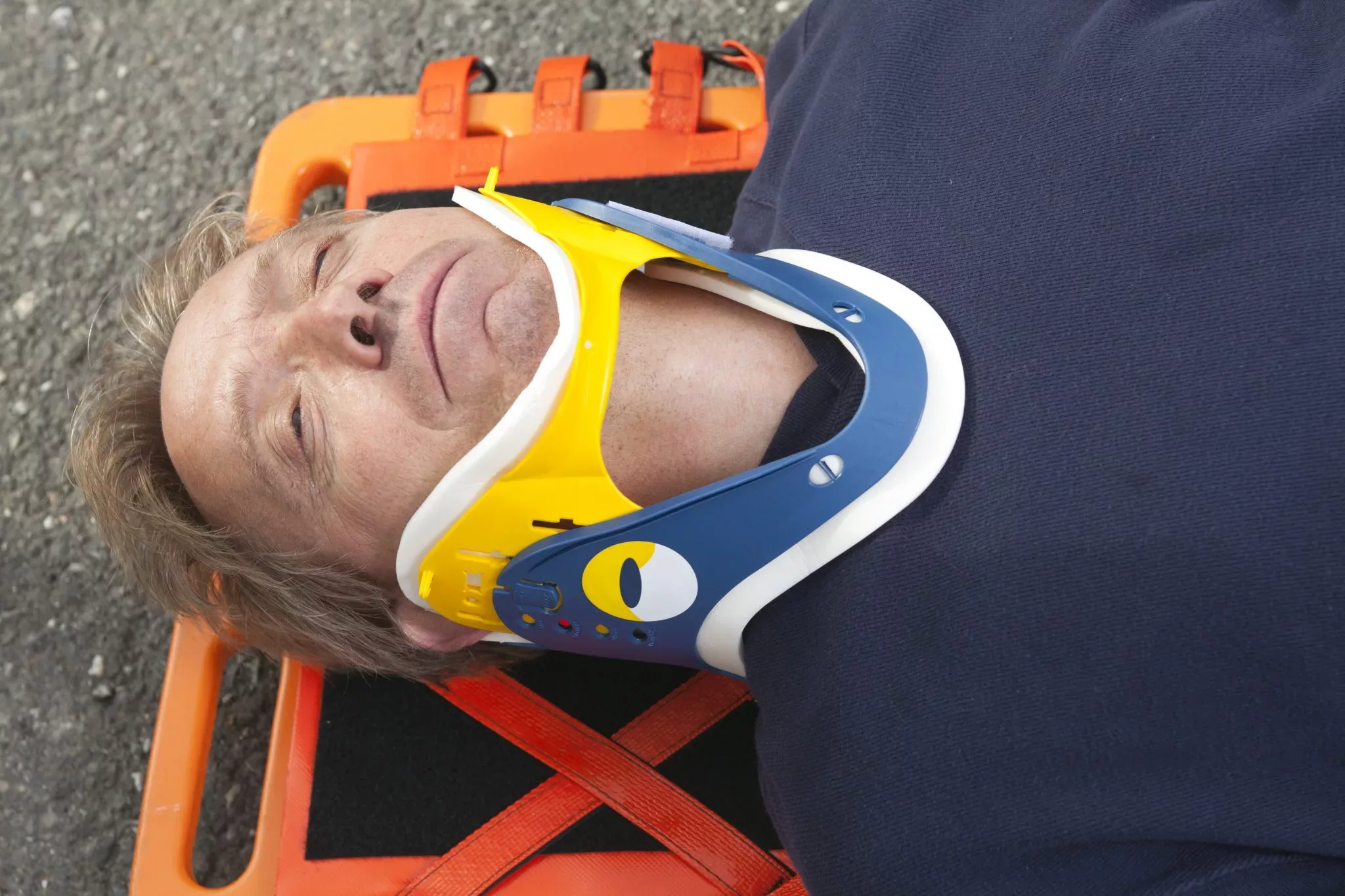
  • Should We Use Rigid Cervical Collars?

    Should We Use Rigid Cervical Collars?

    [table id=2 responsive=scroll datatables_buttons=”colvis,copy,csv,excel,pdf,print” /]


    Peer reviewed?


    This post is due to be peer reviewed. All of Article 999’s posts will soon be updated with this image, or with an image that shows 1 or more, or 10 or more individuals have peer reviewed that post.


  • Article Summary: Maxillofacial Trauma Patient

    Article Summary: Maxillofacial Trauma Patient

    An summary of a Krausz et al (2009) article discussing the importance of effective airway management in the maxillofacial trauma patient and the complexities that such an injury presents. Only points relevant to UK paramedics have been included. For more details, please read the original article. Any additions made by Article 999 are in square brackets [].

    [restabs alignment=”osc-tabs-left” pills=”nav-pills” responsive=”false” tabcolor=”#6ad61d”]
    [restab title=”Full Summary and Reference” active=”active”]

    The Key Points

    • Remember to follow ATLS protocol [and/or your local guidance and JRCALC guidelines]
    • Use cervical spine control along with effective airway management
    • ‘The most common critical care errors are related to airway and respiratory management. Gruen et al studied 25 trauma mortality patients […] [and] found that failure to intubate, secure or protect the airway was […] responsible for 16% of inpatient deaths’ [and that was in a trauma centre, albeit in 1996-2004!] (Gruen et al, 2006)

    Hutchinson et al (1990) (in Krausz et al, 2009) found 6 potential ways maxillofacial trauma might prevent effective airway management.

    These, from the top of the head downwards, can be summarised as:

    Head and soft tissue trauma
    – These risk ‘delayed airway compromise’

    Nasal bleeding/open wounds causing obstruction

    Mandible fractures
    – Leading to the tongue to drop back, blocking the oropharnyx
    – Leading to blockage of the nasopharnygeal airway

    Mouth obstructions
    – From loose items & bodily fluids

    Tracheal trauma
    – Leading to swelling and displacement of essential airway structures behind them.

    C-spine injury
    – Leading to the need for “in-line stablization”. This can cause a reduced view during intubation
    – The act of intubating might increase neck movements, potentially worsening this injury

    Stomach
    – [All patients ambulance personnel intubate in the prehospital environment might realistically have a full stomach]
    – Note the risk of regurgitation
    – Consider cricoid pressure – but also consider that this might ‘worsen the larnygeal view’
    – Other tips noted in this section are not relevant to UK paramedics. Please read the full article for more information

    These cause:
    – Difficulties fitting a mask
    – Less ‘efficient air transferring from the mask to the lungs’
    – A ‘difficulty in visualizing the vocal cords’ when intubating due to fluids & obstructions
    Final points

    • Consider all of the above and ‘avoid future complications’. Then address other injuries.
    • Emergency intubation is fraught with risks
    • Consider your expertise and experience. Ensure the trauma patient can access ‘the most experienced personnel’ where possible. This would reduce one of the risks.
    • Ensure prompt treatment
    • Consider the patient’s GCS, breathing level & risk to aid your decision making about transport
    • Check the ‘extent, the composition and the anatomy of the injury’. Is it possible to ventilate with a mask?
    • ‘Is there a limitation in mouth opening? Is that limitation the result of pain’ only? [In a prehospital environment, this may be difficult to ascertain]
    • An LMA may ‘not be suitable for managing trauma patients. However, it could enable ventilating the patient until definitive airway is achieved’

    References

    Gruen, R.L. et al. 2006. Patterns of Errors Contributing to Trauma Mortality: Lessons Learned from 2594 Deaths, Annals of Surgery, 244 (3): 371-380, Available Online:
    https://www.ncbi.nlm.nih.gov/pmc/articles/PMC1856538/

    Krausz, A. et al. 2009. Maxillofacial trauma patient: coping with the difficult airway, World Journal of Emergency Surgery, 4: 21, Available Online: https://wjes.biomedcentral.com/articles/10.1186/1749-7922-4-21

    [/restab]
    [restab title=”Article 999 Super Summary”]

    Remember to follow ATLS protocol [and your local guidelines], use cervical spine control and focus on airway management.

    Head and soft tissue trauma, nasal bleeding or open wounds, mandible fractures, mouth obstructions, tracheal trauma, c-spine injury and the patient’s stomach contents can all make airway management more challenging (Hutchinson et al, 1990 in Krausz et al, 2009).

    Top tips?

    • Consider cricoid pressure but bear in mind it may actually worsen your view during intubation.
    • Ensure rapid transport and treatment of the patient and consider your own expertise.
    • What level of experience do you really need to deal with this patient, who has it, and where are they?
    • The patient’s GCS, breathing level and risk should all support this decision.
    • You can use an LMA, but it’s a time-stop measure [Article 999 interpretation; see full summary].
    • Consider the ‘extent’ of the patient’s injuries and how they are going to make it difficult to use a mask and intubate if required.

    (Krausz et al, 2009)

    [/restab]
    [/restab][/restabs]

  • What are the paramedic drugs and doses for adult ALS?

    What are the paramedic drugs and doses for adult ALS?


    Created using Visme. An easy-to-use Infographic Maker.

    Association of Ambulance Chief Executives (AACE), 2016. UK Ambulance Services Clinical Practice Guidelines 2016, Bridgwater: Class Professional Publishing


  • What is the definition of trauma?

    What is the definition of trauma?

    ‘Trauma is the acute physiological and structural change that occurs in a patient’s body when an external source of energy dissipates faster than the body’s ability to sustain and dissipate it (Pilbery, 2014). Major trauma is seen as the most common cause of loss of life under 40 years of age’ (Elms and Harris, 2016: 151)

    Elms, S. and Harris, G. (2016) ‘Trauma Assessment’ in A.Y. Blaber and G. Harris (Ed), Assessment Skills for Paramedics, 2nd edition, New York: Open University Press

    AdobeStock_100832355.jpeg

  • Should we use cervical collars?

    Should we use cervical collars?

    Or:
    What are the arguments for and against cervical collars?
    What are the disadvantages of cervical collars?
    Why use cervical collars?


    This is a ‘debate which has rumbled on for several years and still appears to have no definitive solution in sight’; there is minimal evidence supporting using collars in all situations; the negative effects in discussion at current range ‘from raising intracranial pressure, to restricting the airway and having a negative impact on respiration’

    Source:
    Thomas, A. (2016) ‘Trauma Care Conference considers expanding role of paramedics in subspecialty’, Journal of Paramedic Practice, Vol. 8, No. 6, pp. 278-279

    Human spine X-Ray

    More info coming soon. Watch this space

    Dancing Skeleton X-Ray
    Caption competition! Because moving is good for you? We do like to keep our patients moving?