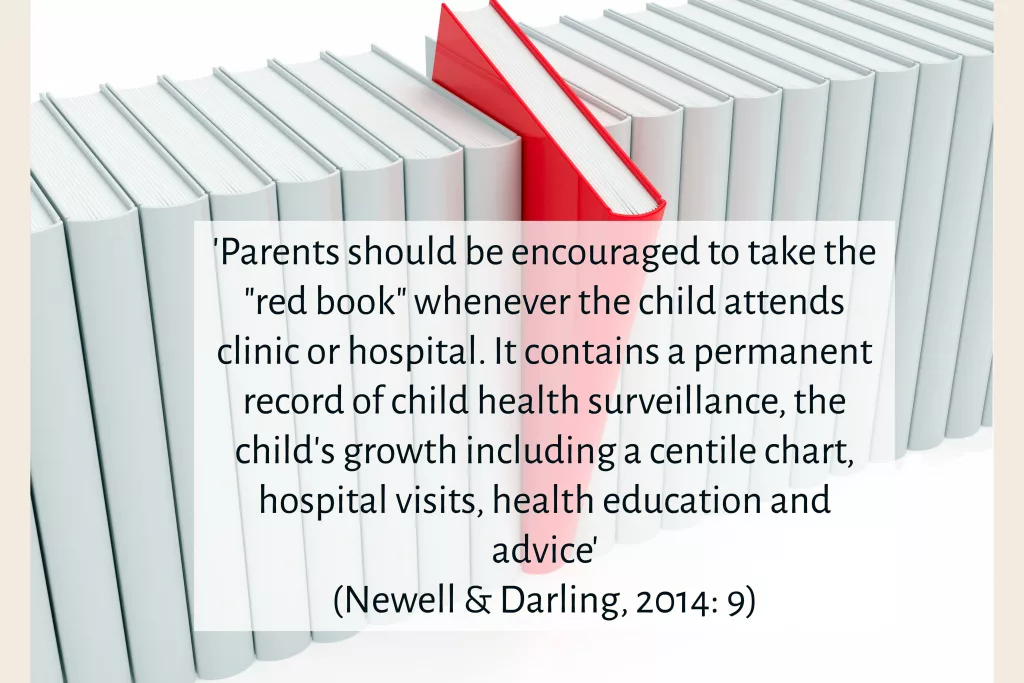
Reference:
Newell, S.J. And Darling, 2014. J.C. Paediatrics: Lecture Notes, Ninth Edition, John Wiley & Sons: West Sussex
Reference:
Newell, S.J. And Darling, 2014. J.C. Paediatrics: Lecture Notes, Ninth Edition, John Wiley & Sons: West Sussex
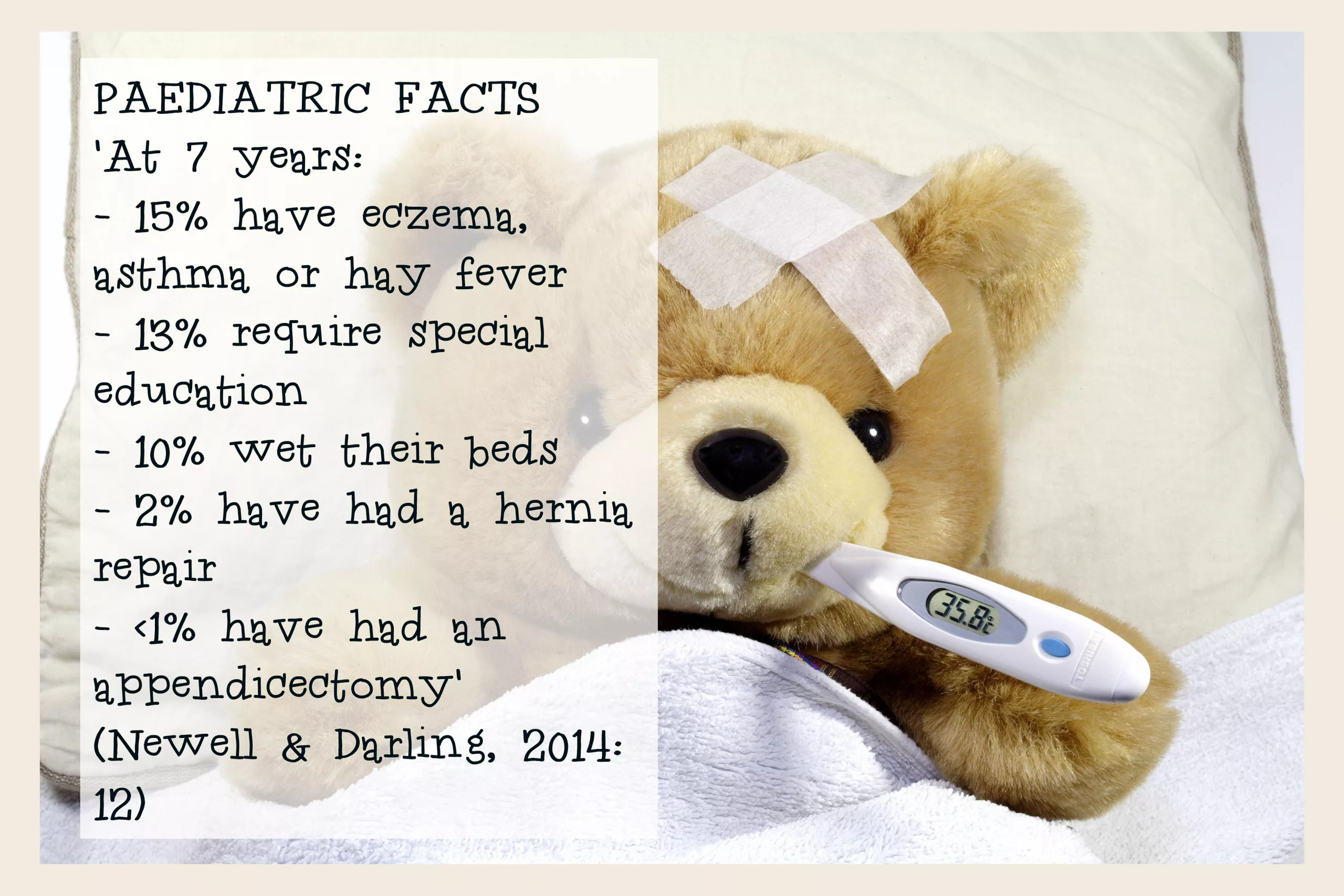
Reference:
Newell, S.J. And Darling, 2014. J.C. Paediatrics: Lecture Notes, Ninth Edition, John Wiley & Sons: West Sussex

Article 999, being a website designed to provide reasonably trustworthy answers to paramedic/EMT questions, along with fast facts and a soon to be launched video library, normally abides by the academic, very legal, I’m-spending-far-too-much-a-month-on-good-design-and-royalty-free-photos, but not today. Today, we bring you an incredibly useful alternative to the Wong-Baker FACES pain scale (Wong-Baker Faces, 2016), the ‘highly unofficial LEGO Pain Assessment Chart’ by Life of Dad (Moles, 2014).
Perhaps otherwise known as a gentle criticism to the Wong-Baker (2016) scale, I thought Article 999’s image collection would go amiss without this attractive alternative:
https://www.lifeofdad.com/more-proof-that-everything-is-better-with-lego/
If you want to find this scale on the go, simply type in Article 999’s search box, FACES, pain scale, or Lego. Go ahead, try it*
*Obviously not endorsed by any organisation. The image’s usefulness is judged by this paramedic alone.
References
Moles, Jason (2014) More Proof that Everything is Better with Lego, Available Online: https://www.lifeofdad.com/more-proof-that-everything-is-better-with-lego/ (Accessed 09/09/2017)
Wong-Baker FACES (2016) Wong-Baker FACES Foundation, Available Online: http://wongbakerfaces.org/ (Accessed 09/09/2017)
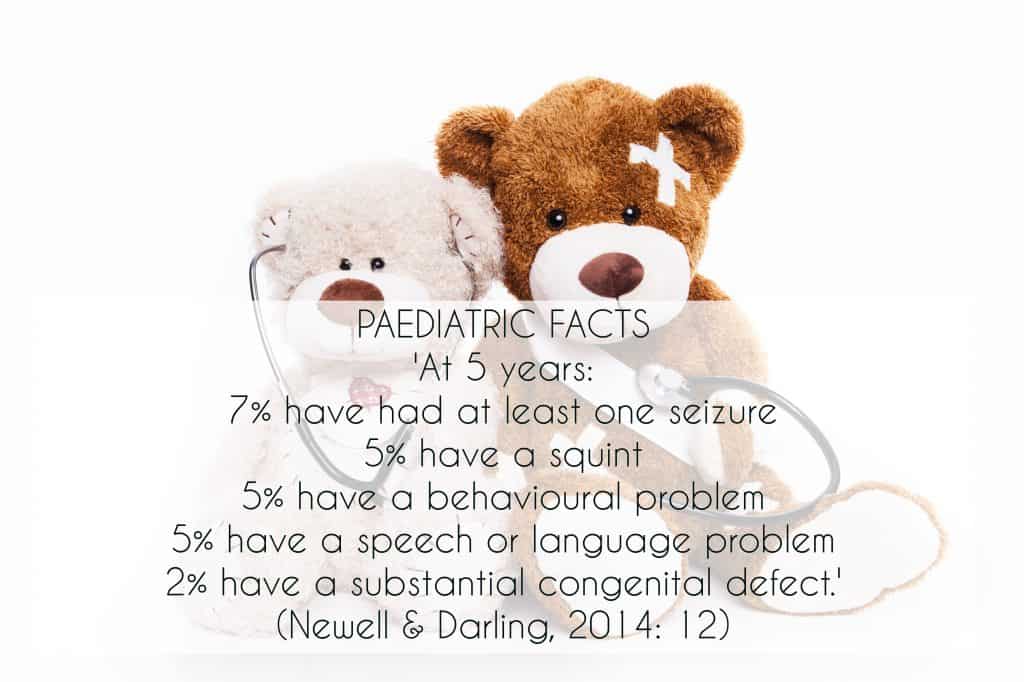
Reference:
Newell, S.J. And Darling, 2014. J.C. Paediatrics: Lecture Notes, Ninth Edition, John Wiley & Sons: West Sussex
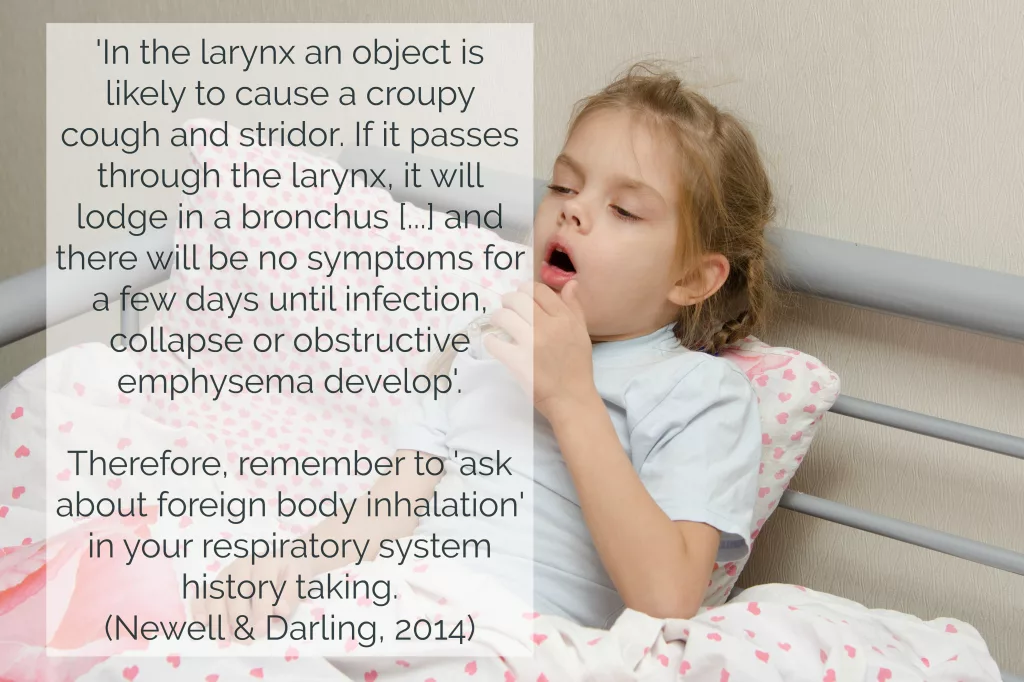
Reference:
Newell, S.J. And Darling, 2014. J.C. Paediatrics: Lecture Notes, Ninth Edition, John Wiley & Sons: West Sussex
Reference:
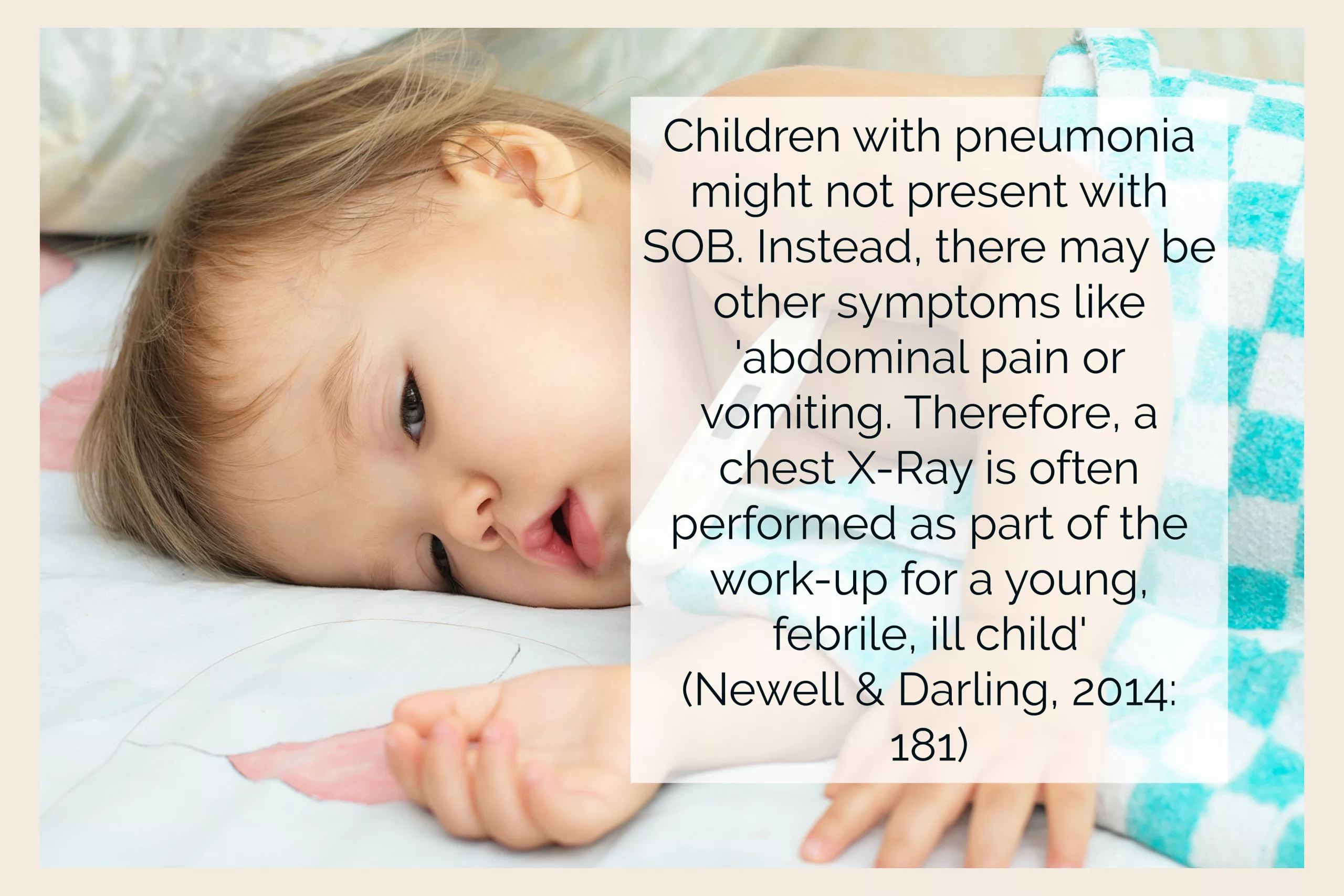
Newell, S.J. And Darling, 2014. J.C. Paediatrics: Lecture Notes, Ninth Edition, John Wiley & Sons: West Sussex
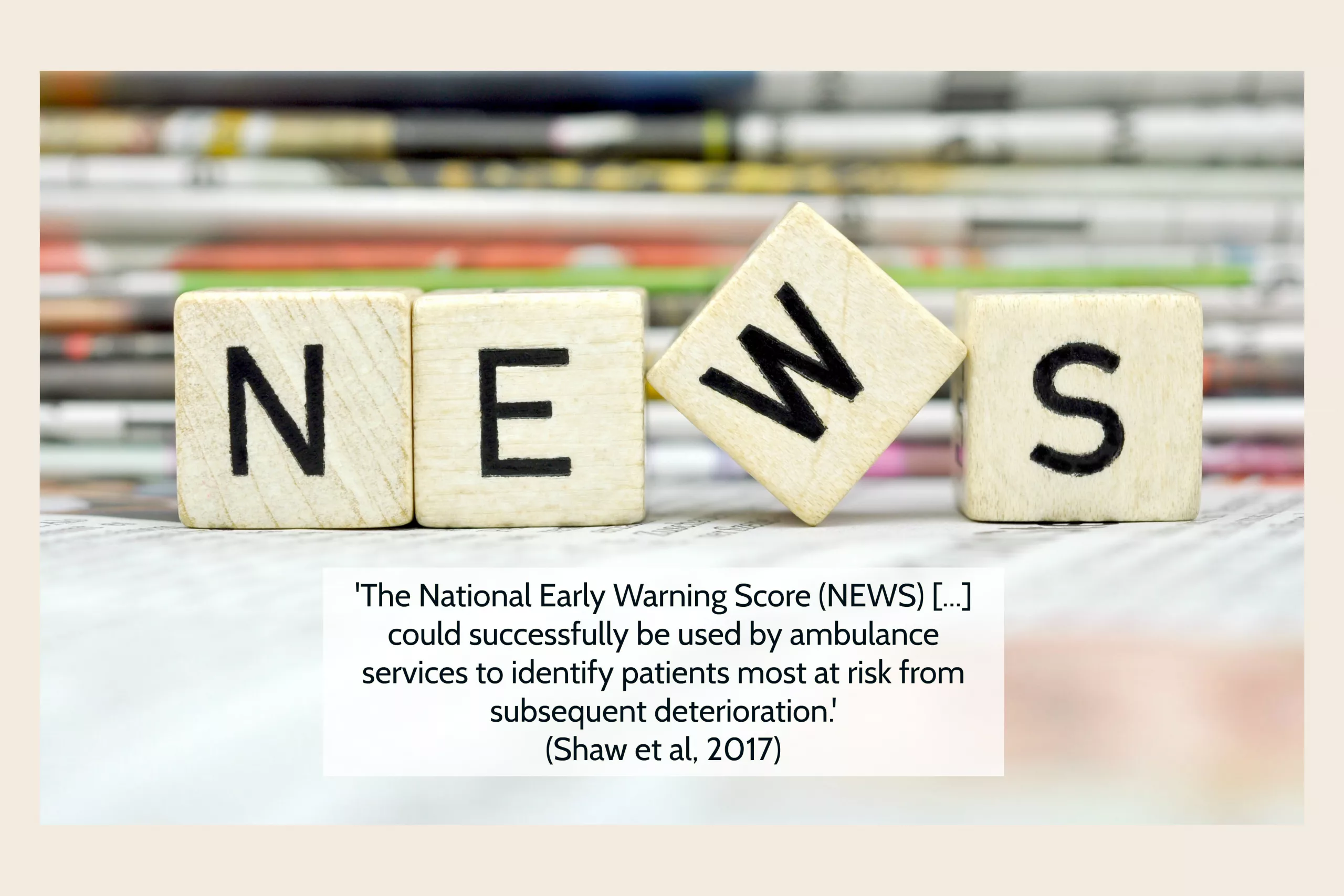
Shaw, J. et al. 2017. ‘Can the prehospital National Early Warning Score identify patients most at risk from subsequent deterioration?’ Emergency Medical Journal, 34: 533-537
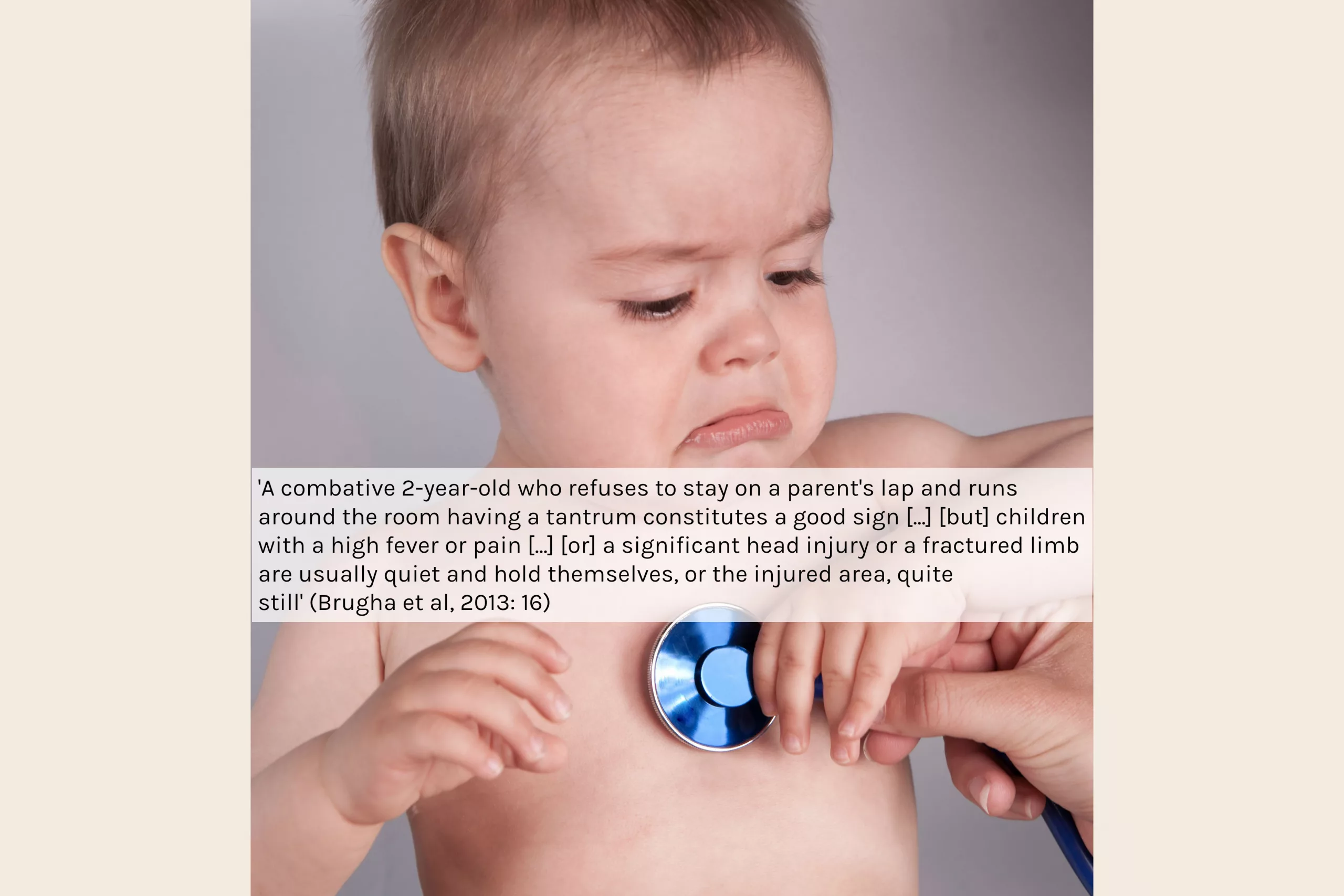
While this is very important, Brugha et al (2013) also warn that the child who isn’t quiet ‘may be distressed as a result of pain’ (Brugha et al, 2013: 16).
Reference
Brugha, R. et al, 2013. Paediatric Clinical Examination, London: JP Medical Ltd.
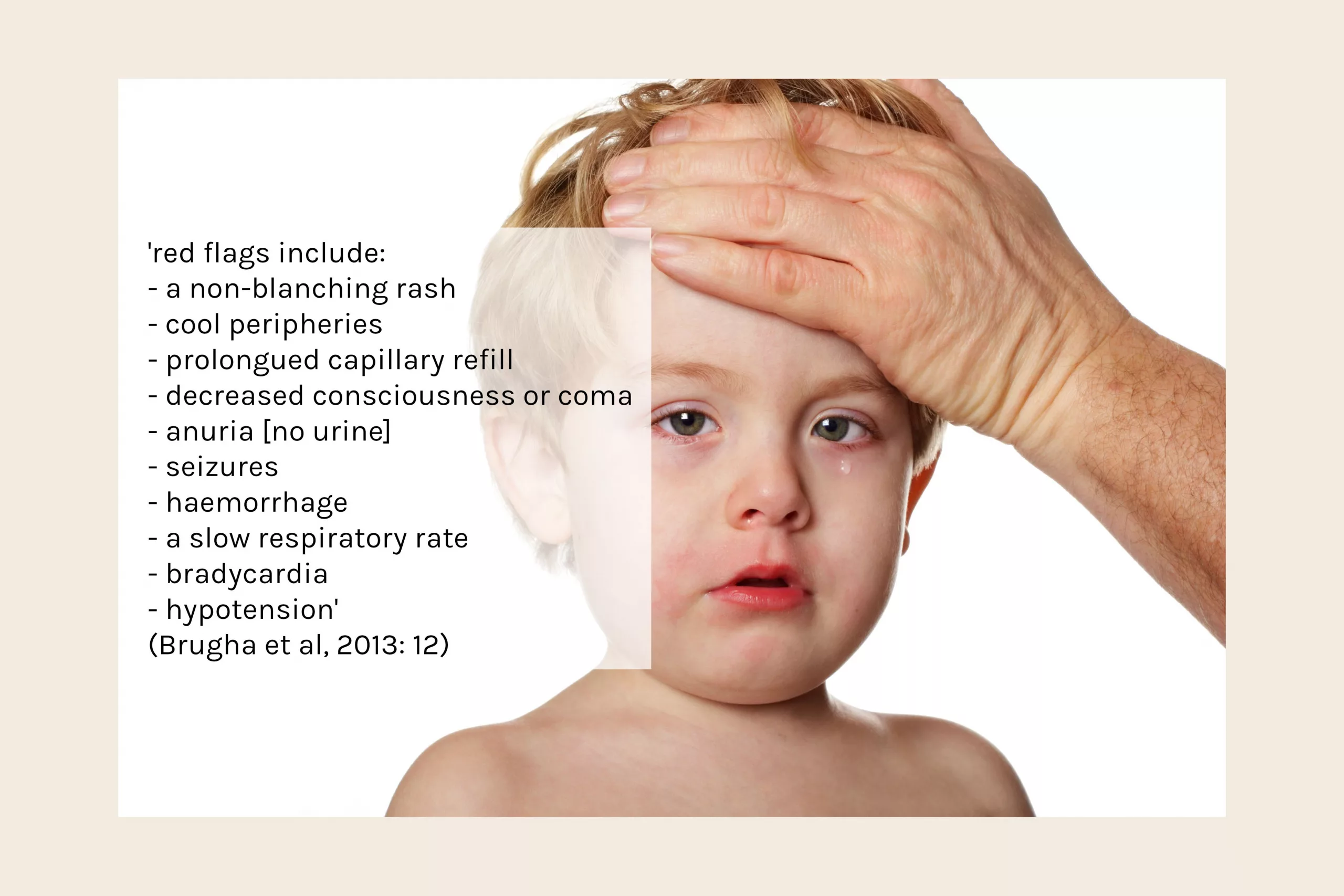

Reference
Bruga, R. et al. 2013. Paediatric Clinical Examination, London: JP Medical Ltd

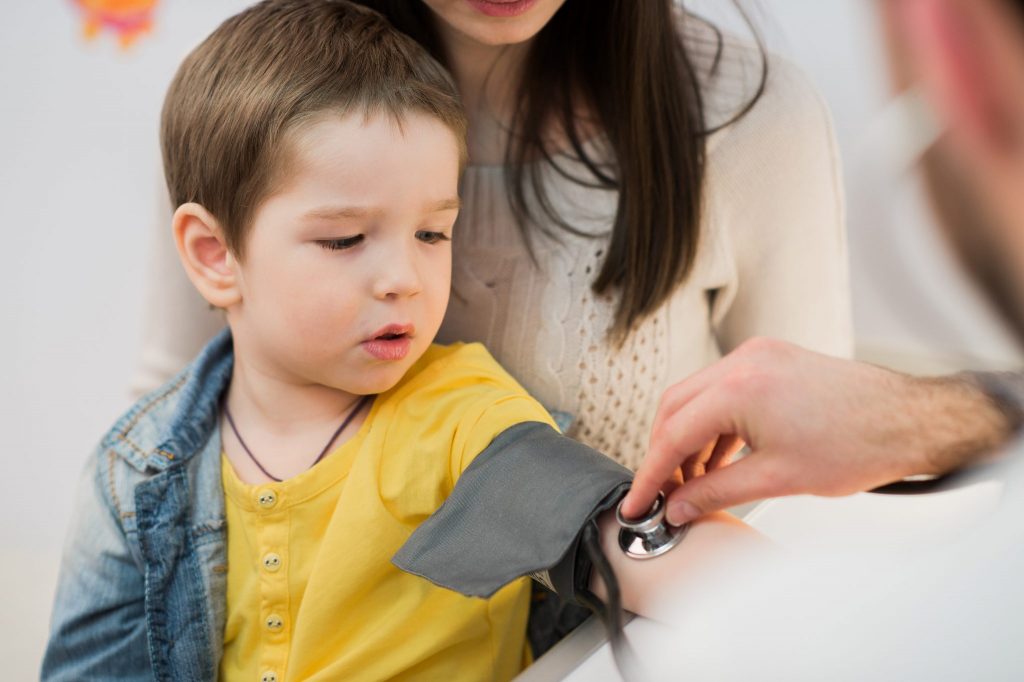
‘Children are able to maintain their blood pressure through physiological compensation mechanisms in the early phases of serious illness, and the early signs of illness may be quite subtle. […] Once a child decompensates, he or she can collapse extremely quickly’ (Brugha et al, 2013: 11).
Reference:
Brugha, R. et al (2013) Paediatric Clinical Examination, London: JP Medical Ltd