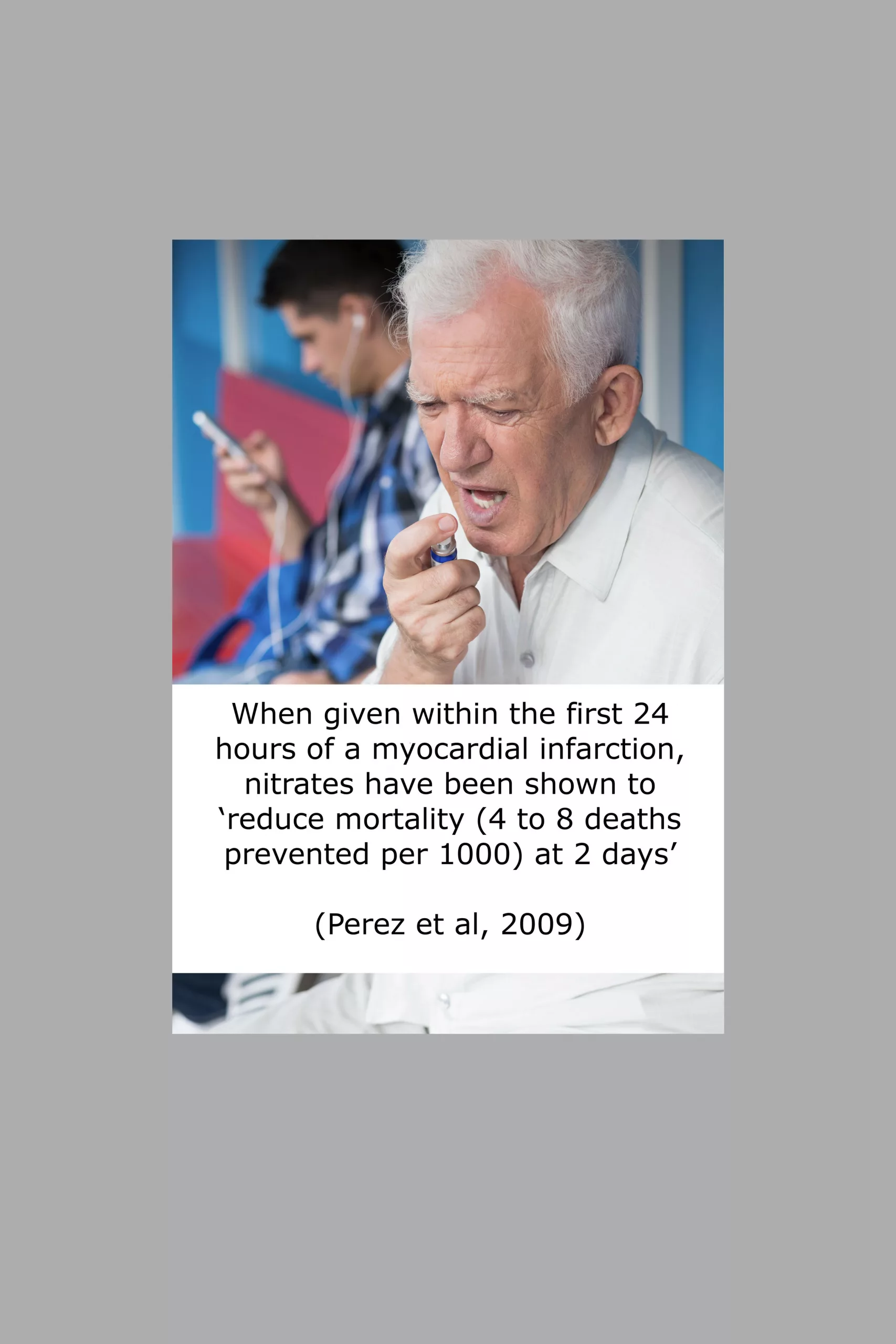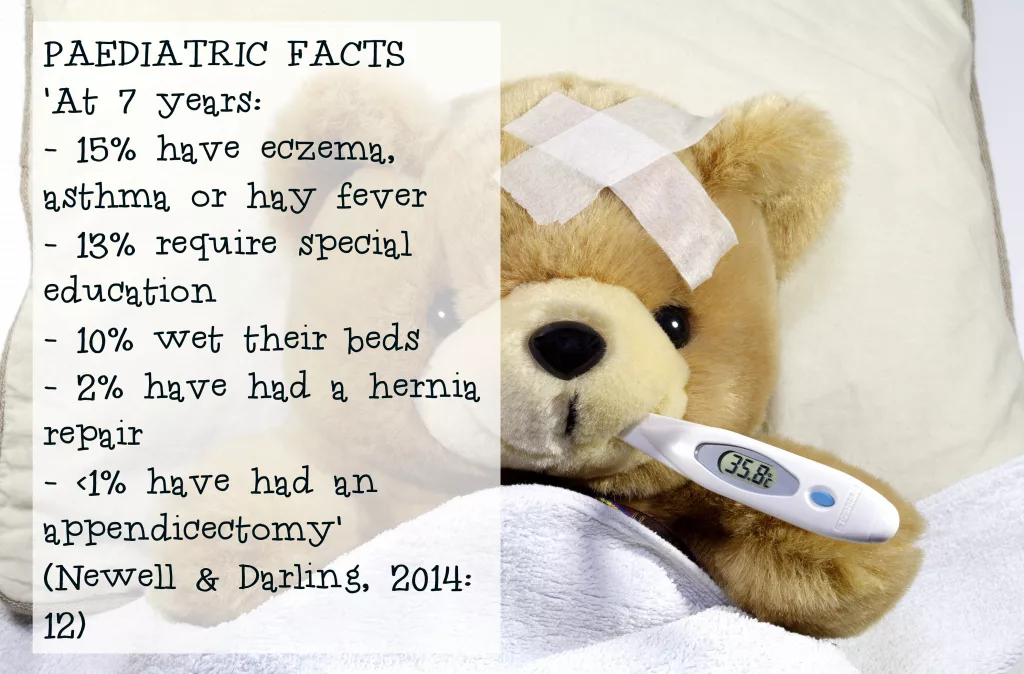
Reference:
Newell, S.J. And Darling, 2014. J.C. Paediatrics: Lecture Notes, Ninth Edition, John Wiley & Sons: West Sussex
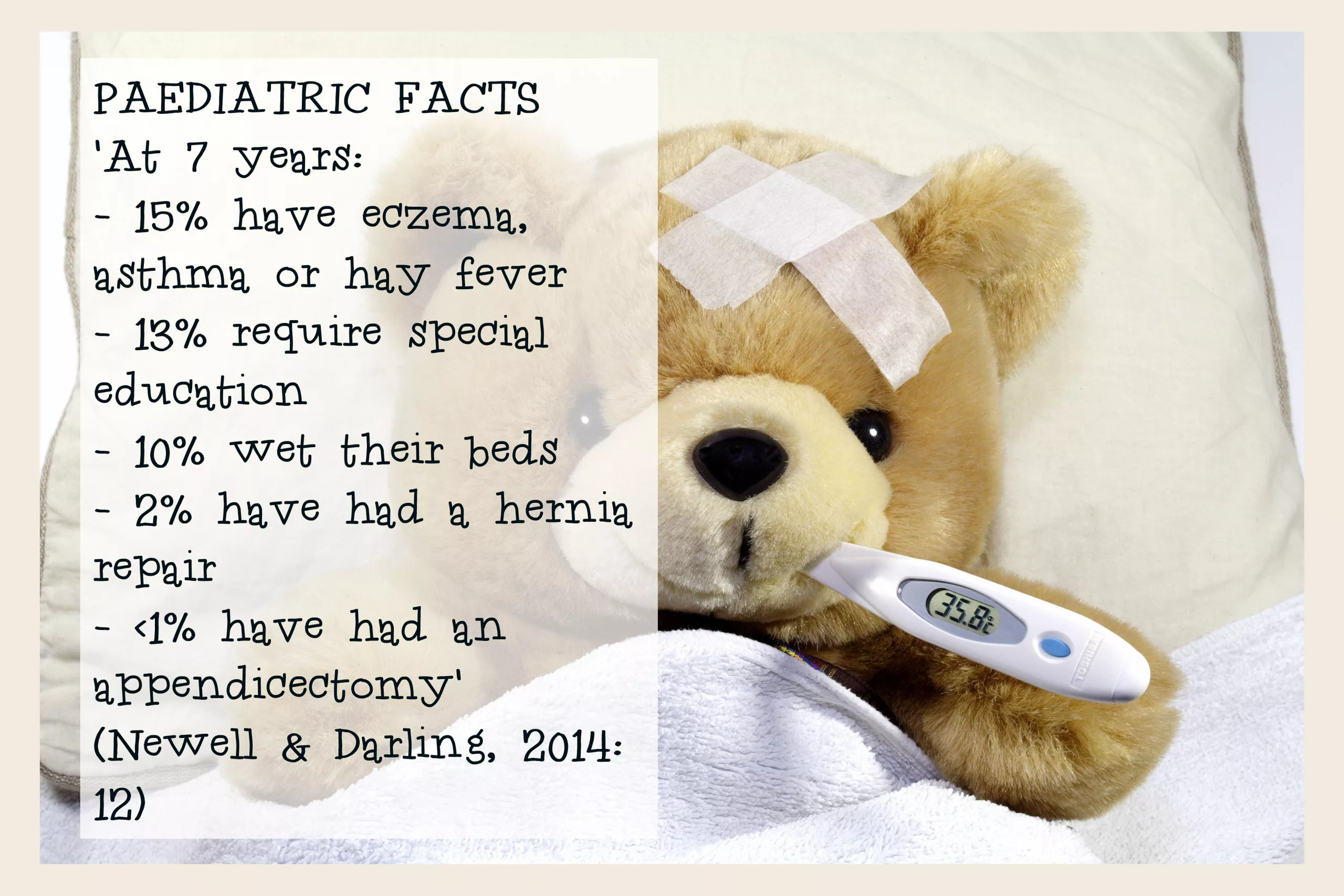
Reference:
Newell, S.J. And Darling, 2014. J.C. Paediatrics: Lecture Notes, Ninth Edition, John Wiley & Sons: West Sussex

Article 999, being a website designed to provide reasonably trustworthy answers to paramedic/EMT questions, along with fast facts and a soon to be launched video library, normally abides by the academic, very legal, I’m-spending-far-too-much-a-month-on-good-design-and-royalty-free-photos, but not today. Today, we bring you an incredibly useful alternative to the Wong-Baker FACES pain scale (Wong-Baker Faces, 2016), the ‘highly unofficial LEGO Pain Assessment Chart’ by Life of Dad (Moles, 2014).
Perhaps otherwise known as a gentle criticism to the Wong-Baker (2016) scale, I thought Article 999’s image collection would go amiss without this attractive alternative:
https://www.lifeofdad.com/more-proof-that-everything-is-better-with-lego/
If you want to find this scale on the go, simply type in Article 999’s search box, FACES, pain scale, or Lego. Go ahead, try it*
*Obviously not endorsed by any organisation. The image’s usefulness is judged by this paramedic alone.
References
Moles, Jason (2014) More Proof that Everything is Better with Lego, Available Online: https://www.lifeofdad.com/more-proof-that-everything-is-better-with-lego/ (Accessed 09/09/2017)
Wong-Baker FACES (2016) Wong-Baker FACES Foundation, Available Online: http://wongbakerfaces.org/ (Accessed 09/09/2017)

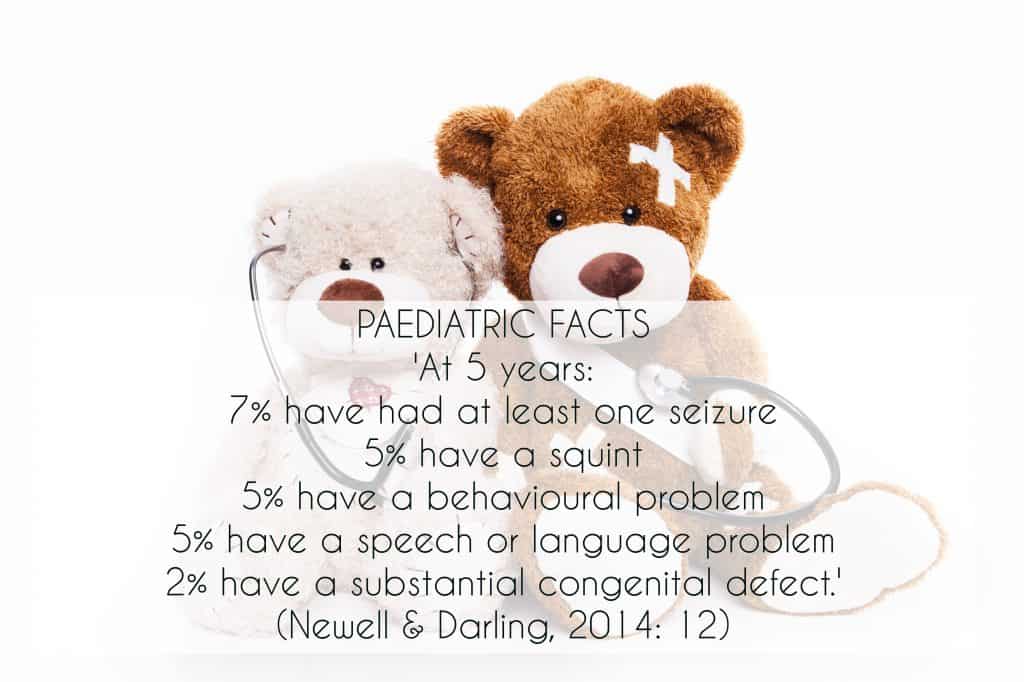
Reference:
Newell, S.J. And Darling, 2014. J.C. Paediatrics: Lecture Notes, Ninth Edition, John Wiley & Sons: West Sussex
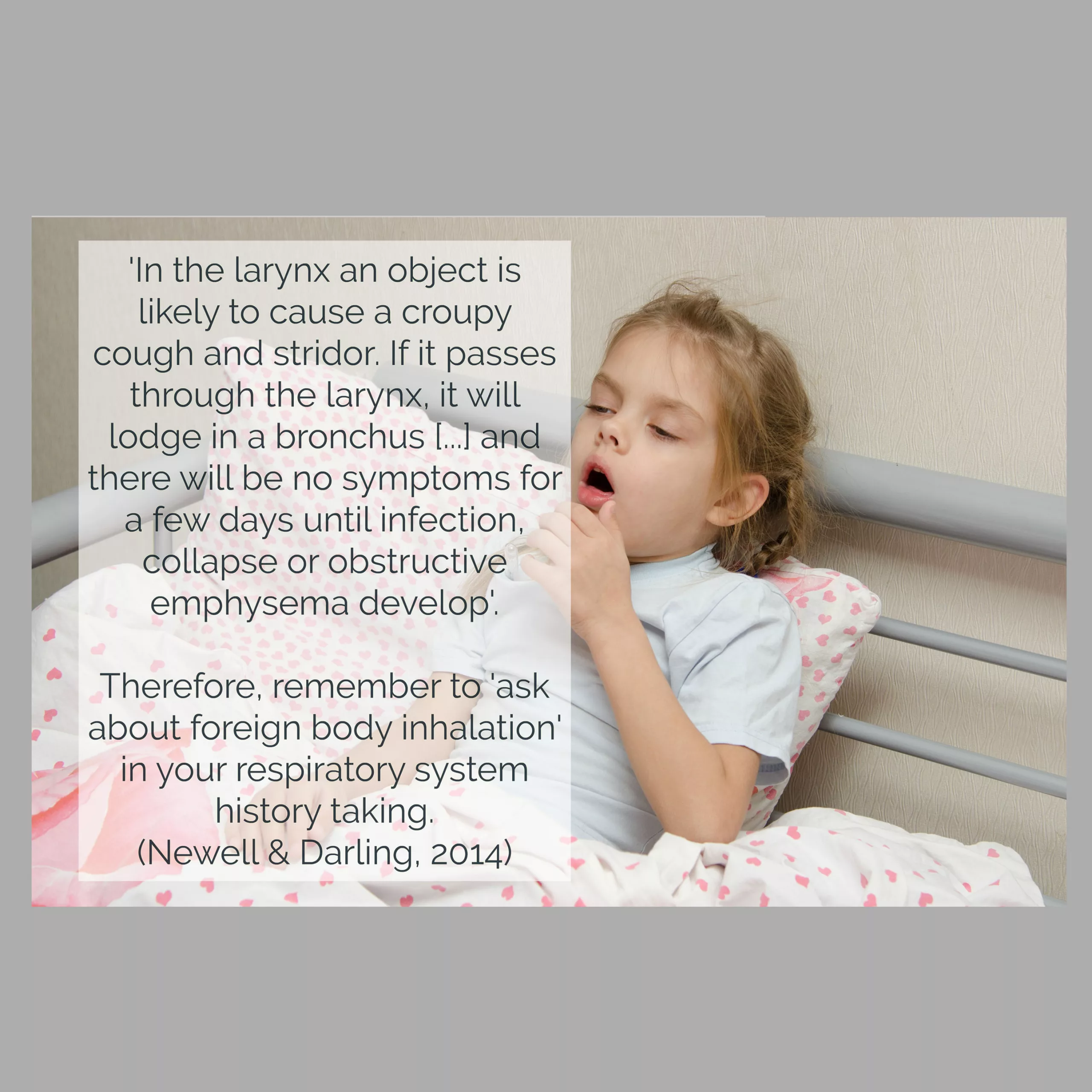
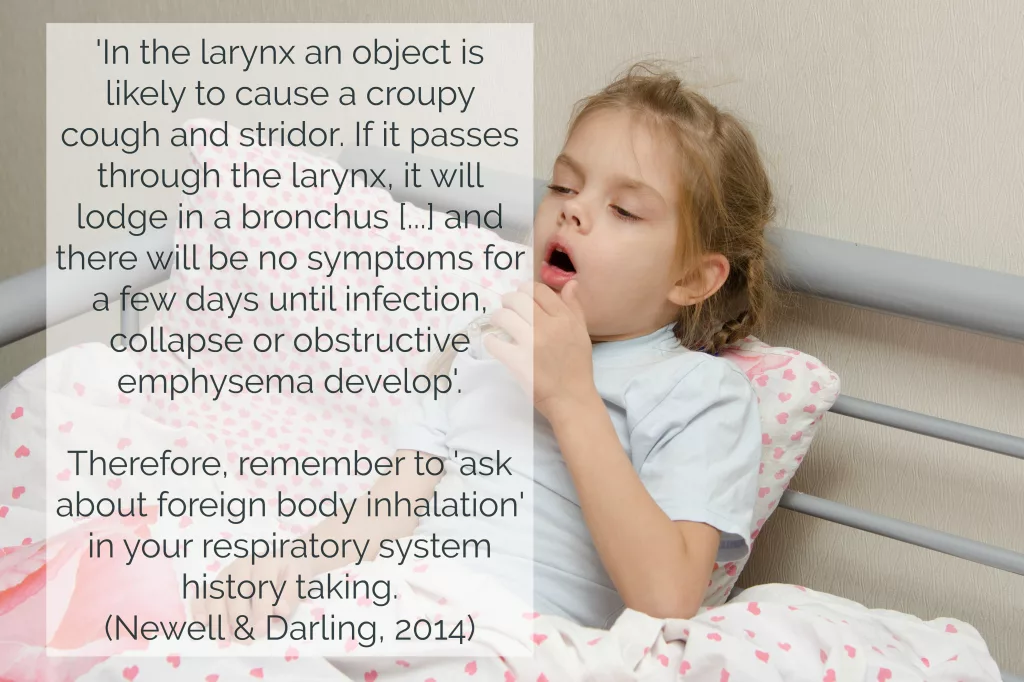
Reference:
Newell, S.J. And Darling, 2014. J.C. Paediatrics: Lecture Notes, Ninth Edition, John Wiley & Sons: West Sussex
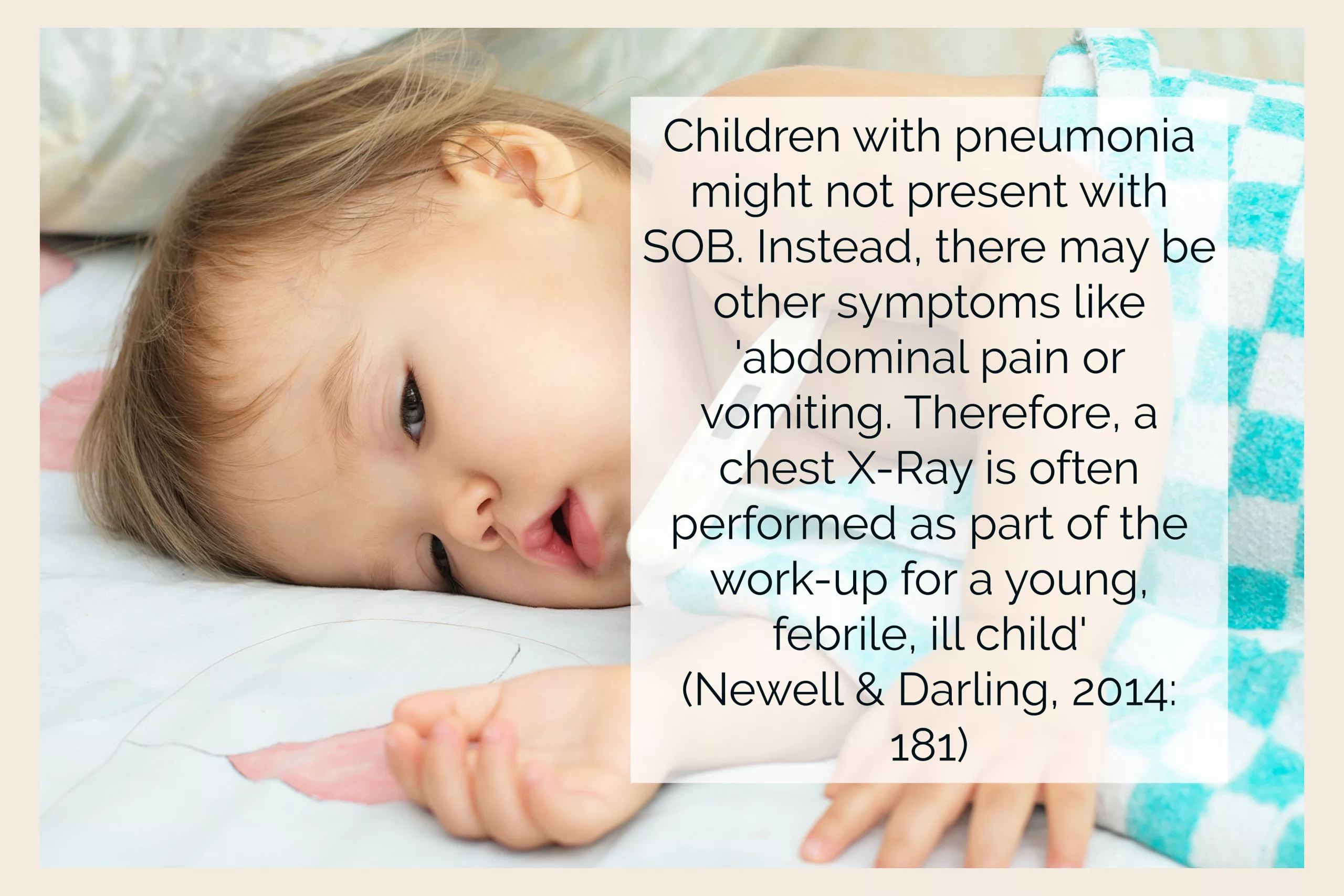
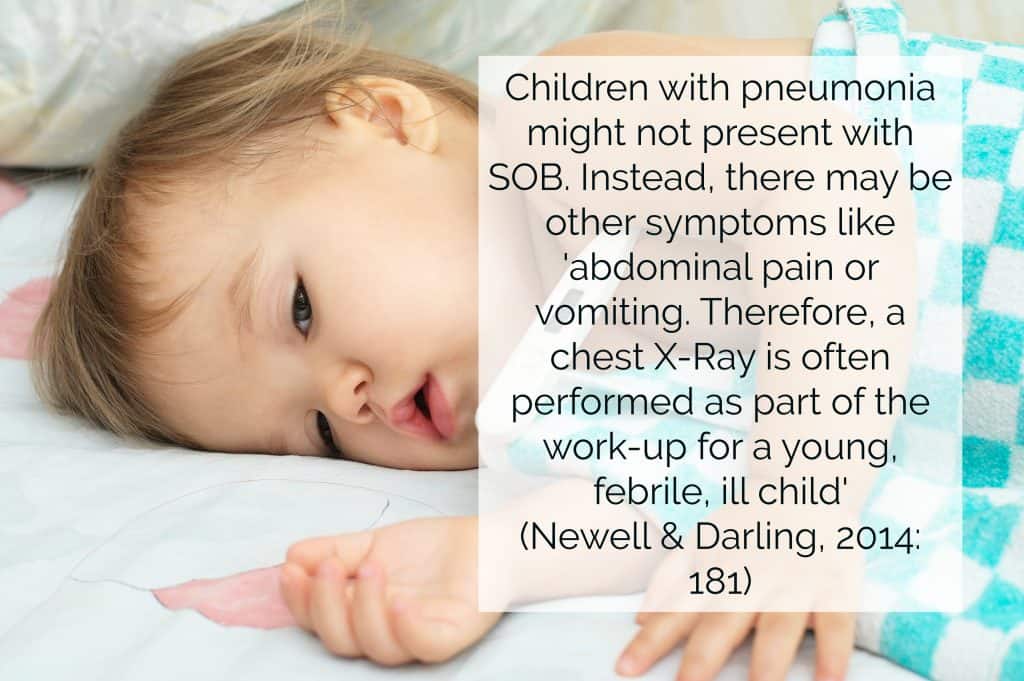
Reference:
Newell, S.J. And Darling, 2014. J.C. Paediatrics: Lecture Notes, Ninth Edition, John Wiley & Sons: West Sussex

[tabby title=”This tab: 3) What are the main sections used for?” open=”yes”]

Section 2 – Purpose: Admission for patient assessment.
Duration of section: 28 days

Section 3 – Purpose: Admission for treatment of a patient.
Duration of section: up to 6 months
Section 4 – Purpose: Urgent admission for patient assessment from the community, usually enforced when a section 2 would take to long to enact.
Duration of section: 72 hours (may be converted to section 2 to extend assessment period to 28 days)
Section 5(2) – Purpose: Urgent detention of inpatient
Duration of section: 72 hours
Section 5(4) – Purpose: Urgent detention of an inpatient by a nurse were a doctor is absent
Duration of section: 6 hours
Section 135 – Purpose: Removal of person from home to place of safety. This requires a court order to enact and remove someone from a private property.
Duration of section: 72 hours
Section 136 – Purpose: Removal of a person from a public place to a place of safety. This does not require a court order.
Duration of section: 72 hours
Community Treatment Order – Purpose: An order that a patient is placed upon after discharge from hospital for psychiatric treatment that allows continued treatment within the community setting.
Duration of section: up to 6 months.
References

[tabbyurl title =”1. What is a section?” url=”https://article999.co.uk/what-is-a-section” indicator=”ext”]
[tabbyurl title=”2. Who can enforce a sectioning order?” url=”https://article999.co.uk/can-enforce-sectioning-order” indicator=”ext”]
[tabbyending]
[tabby title=”2. This tab: Who can enforce a sectioning order?” open=”yes”]
There are several different types of sectioning orders as listed in the relevant tabs. Each one is used for different purposes, lasts for different lengths of time and can be used by a variety of different health care professionals and police officers. However, not everyone may use every type of order. The following are the sectioning powers available to the following professions:




Approved mental health professionals (social workers, nurses, psychologists or occupational therapists) and rarely relatives may also put an application in for sections 2, 3 and 4. These all require approval by 1 or more doctors to be carried out.
References

[tabbyurl title=”1. What is a section?” url=”https://article999.co.uk/what-is-a-section” indicator=”ext”]
[tabbyurl title=”3. What are the main sections used for?” url=”https://article999.co.uk/main-sections-used” indicator=”ext”]
[tabbyending]
[restabs alignment=”osc-tabs-left” pills=”nav-pills” responsive=”false” tabcolor=”#6ad61d”]
[restab title=”Full Summary and Reference” active=”active”]
- Remember to follow ATLS protocol [and/or your local guidance and JRCALC guidelines]
- Use cervical spine control along with effective airway management
- ‘The most common critical care errors are related to airway and respiratory management. Gruen et al studied 25 trauma mortality patients […] [and] found that failure to intubate, secure or protect the airway was […] responsible for 16% of inpatient deaths’ [and that was in a trauma centre, albeit in 1996-2004!] (Gruen et al, 2006)
These, from the top of the head downwards, can be summarised as:
Head and soft tissue trauma
– These risk ‘delayed airway compromise’
Nasal bleeding/open wounds causing obstruction
Mandible fractures
– Leading to the tongue to drop back, blocking the oropharnyx
– Leading to blockage of the nasopharnygeal airway
Mouth obstructions
– From loose items & bodily fluids
Tracheal trauma
– Leading to swelling and displacement of essential airway structures behind them.
C-spine injury
– Leading to the need for “in-line stablization”. This can cause a reduced view during intubation
– The act of intubating might increase neck movements, potentially worsening this injury
Stomach
– [All patients ambulance personnel intubate in the prehospital environment might realistically have a full stomach]
– Note the risk of regurgitation
– Consider cricoid pressure – but also consider that this might ‘worsen the larnygeal view’
– Other tips noted in this section are not relevant to UK paramedics. Please read the full article for more information
These cause:
– Difficulties fitting a mask
– Less ‘efficient air transferring from the mask to the lungs’
– A ‘difficulty in visualizing the vocal cords’ when intubating due to fluids & obstructions

Gruen, R.L. et al. 2006. Patterns of Errors Contributing to Trauma Mortality: Lessons Learned from 2594 Deaths, Annals of Surgery, 244 (3): 371-380, Available Online:
https://www.ncbi.nlm.nih.gov/pmc/articles/PMC1856538/
Krausz, A. et al. 2009. Maxillofacial trauma patient: coping with the difficult airway, World Journal of Emergency Surgery, 4: 21, Available Online: https://wjes.biomedcentral.com/articles/10.1186/1749-7922-4-21
[/restab]
[restab title=”Article 999 Super Summary”]
Head and soft tissue trauma, nasal bleeding or open wounds, mandible fractures, mouth obstructions, tracheal trauma, c-spine injury and the patient’s stomach contents can all make airway management more challenging (Hutchinson et al, 1990 in Krausz et al, 2009).
Top tips?
(Krausz et al, 2009)
[/restab]
[/restab][/restabs]


According to research by Khosraven et al (2015) one of the main disadvantages of an OP airway is that its length, shape & lack of an inflatable cuff may cause oxygen to leak, leading to less oxygen than we might hope for entering the patient’s lungs.