Reference:
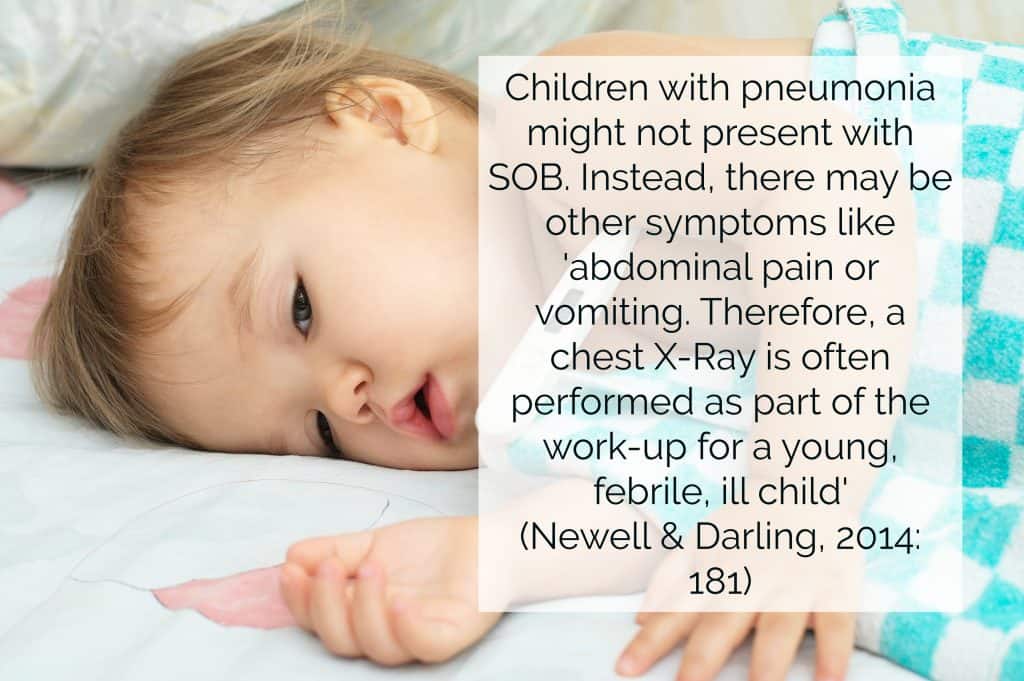
Newell, S.J. And Darling, 2014. J.C. Paediatrics: Lecture Notes, Ninth Edition, John Wiley & Sons: West Sussex
Reference:
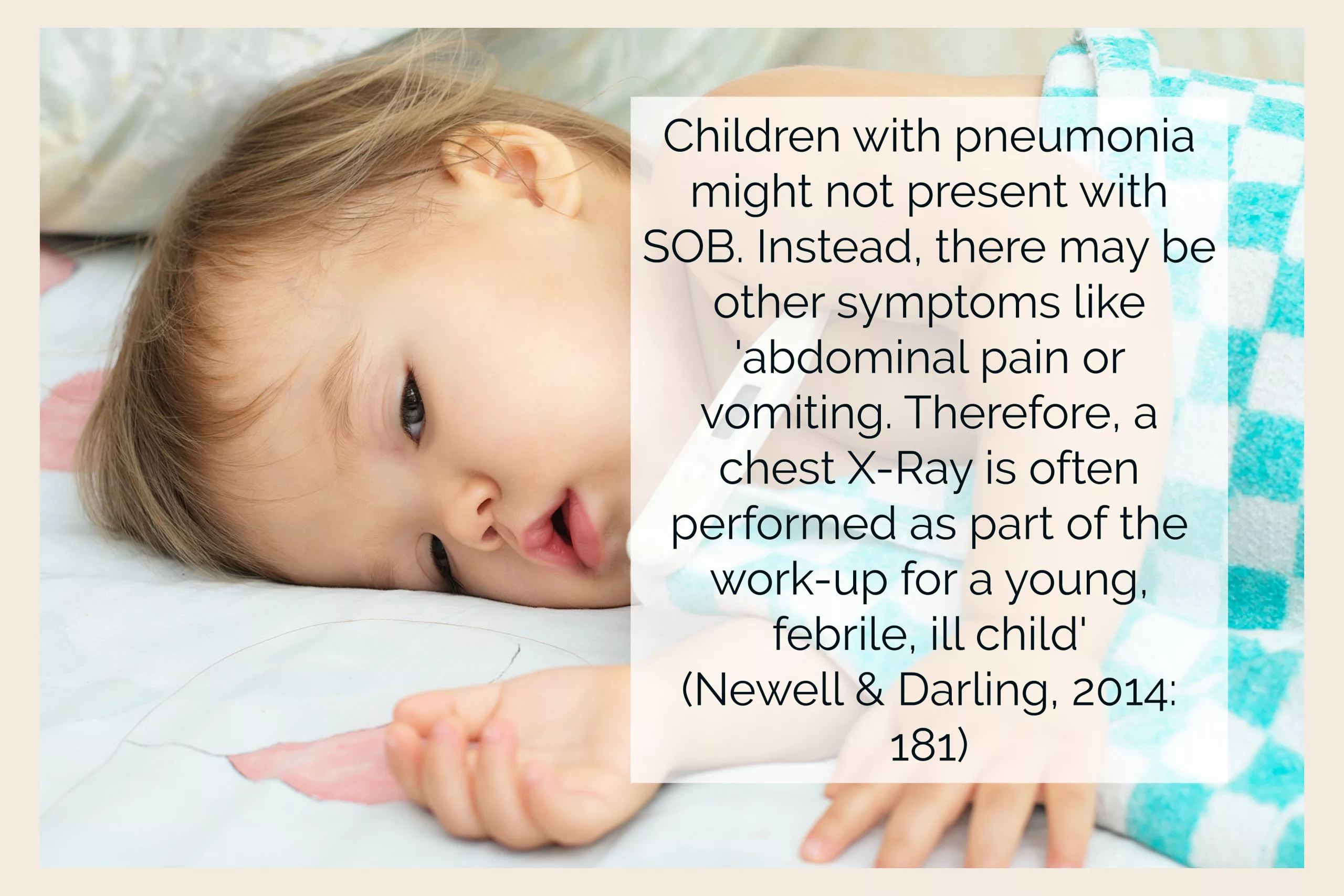
Newell, S.J. And Darling, 2014. J.C. Paediatrics: Lecture Notes, Ninth Edition, John Wiley & Sons: West Sussex


Shaw, J. et al. 2017. ‘Can the prehospital National Early Warning Score identify patients most at risk from subsequent deterioration?’ Emergency Medical Journal, 34: 533-537
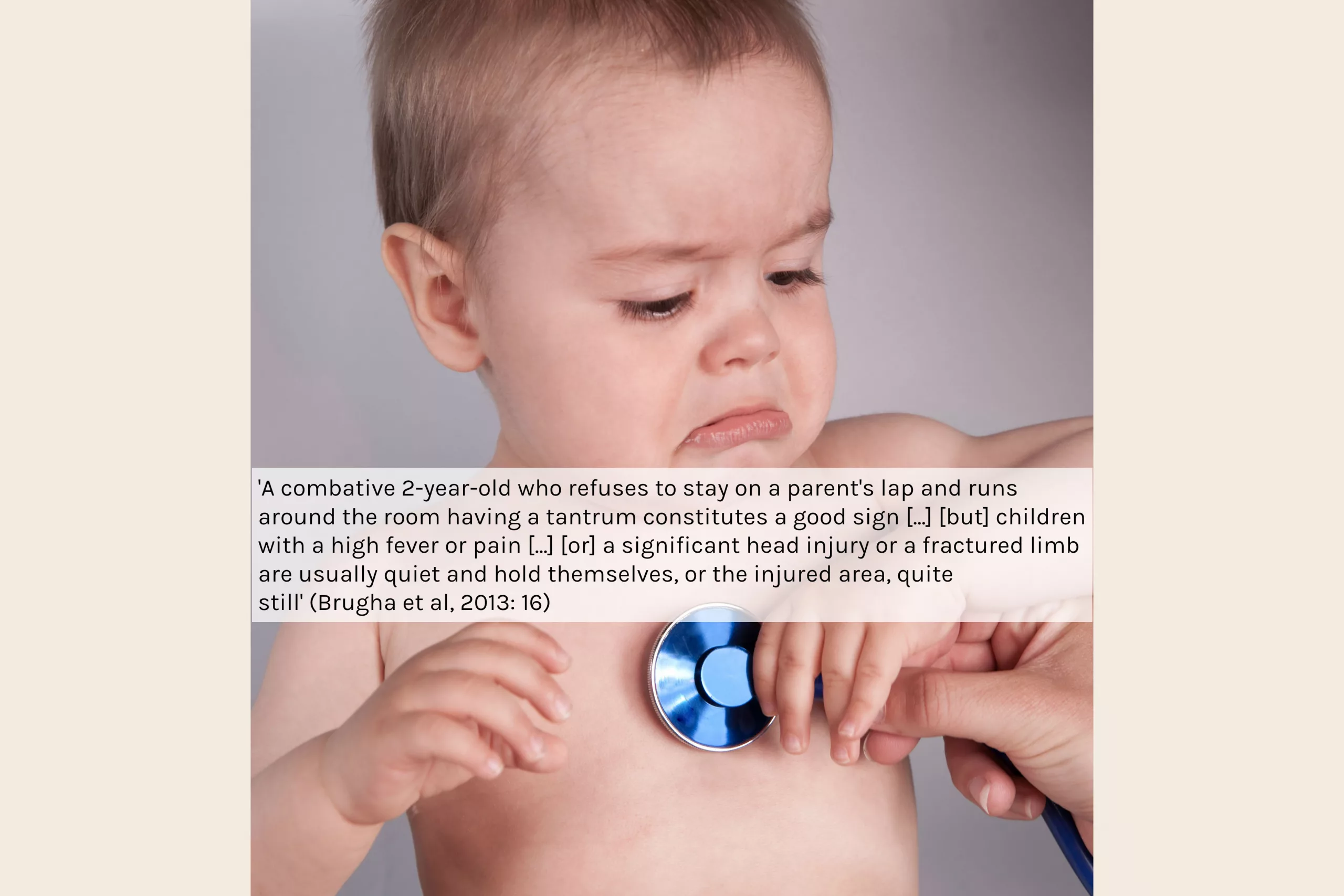
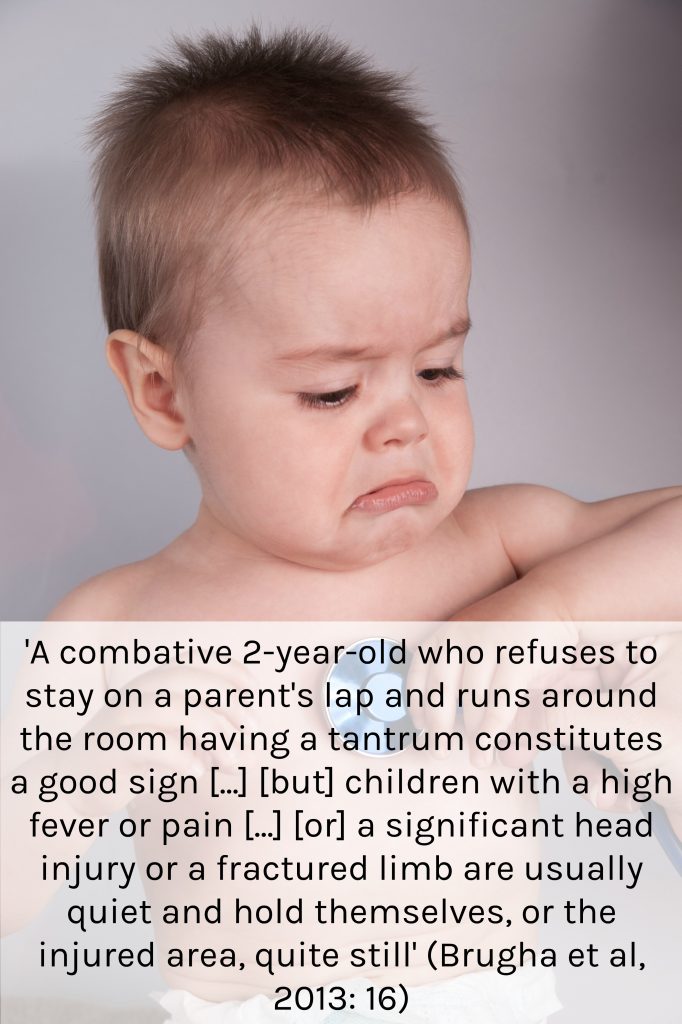
While this is very important, Brugha et al (2013) also warn that the child who isn’t quiet ‘may be distressed as a result of pain’ (Brugha et al, 2013: 16).
Reference
Brugha, R. et al, 2013. Paediatric Clinical Examination, London: JP Medical Ltd.

Reference
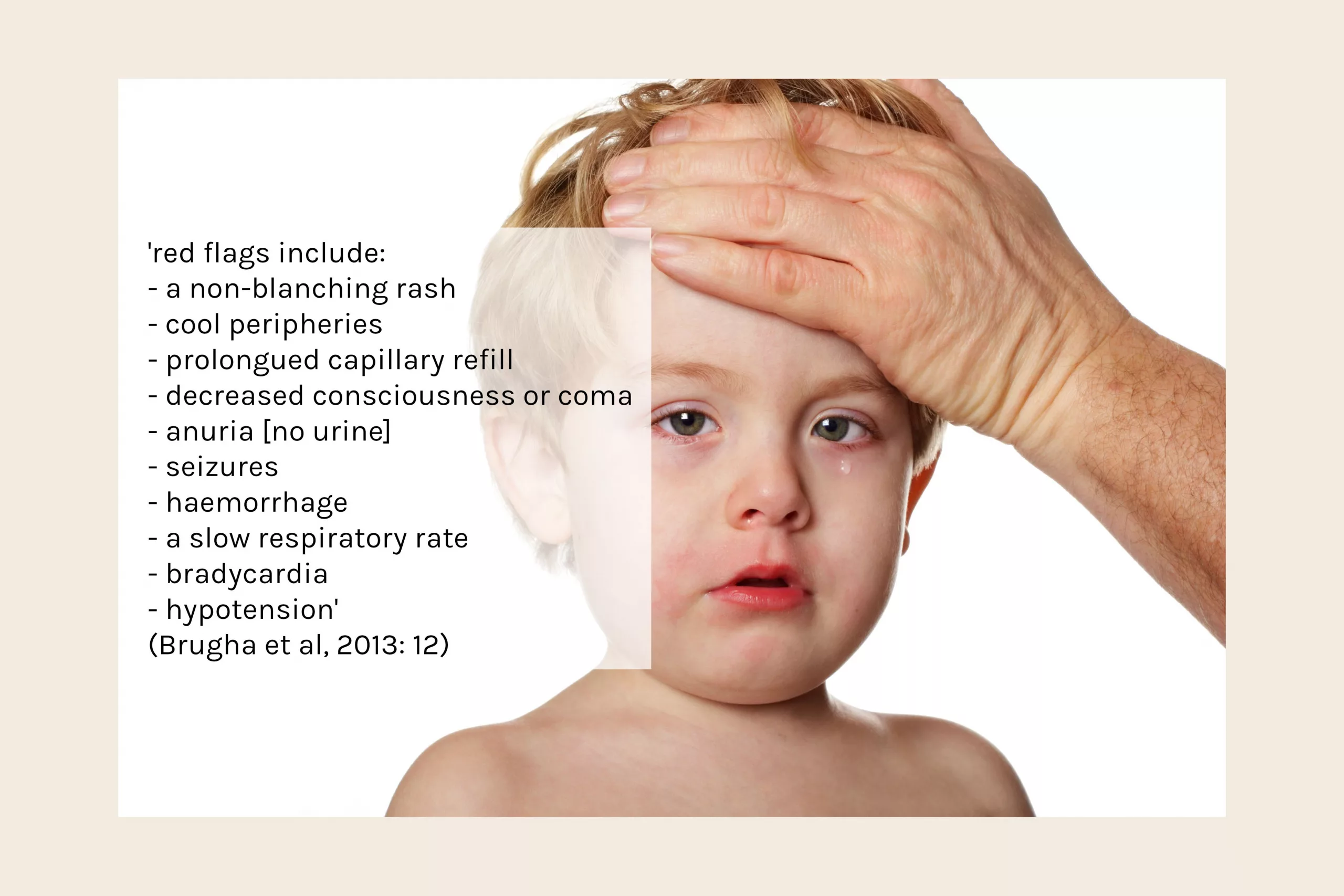
Bruga, R. et al. 2013. Paediatric Clinical Examination, London: JP Medical Ltd

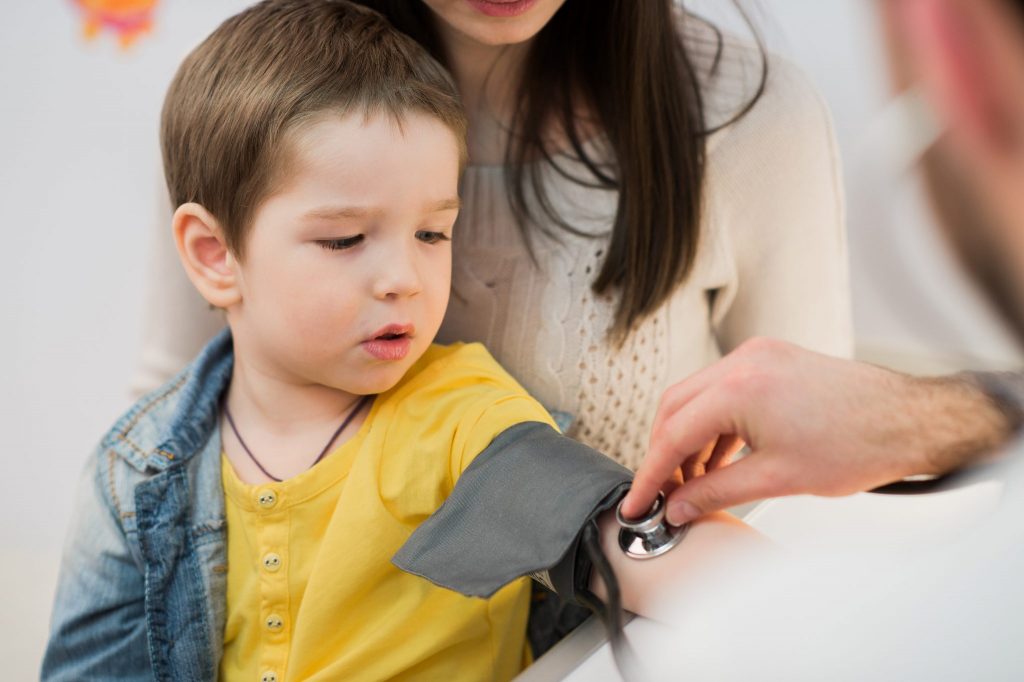
‘Children are able to maintain their blood pressure through physiological compensation mechanisms in the early phases of serious illness, and the early signs of illness may be quite subtle. […] Once a child decompensates, he or she can collapse extremely quickly’ (Brugha et al, 2013: 11).
Reference:
Brugha, R. et al (2013) Paediatric Clinical Examination, London: JP Medical Ltd

[restabs alignment=”osc-tabs-left” pills=”nav-pills” responsive=”false” tabcolor=”#6ad61d”]
[restab title=”Full Summary and Reference” active=”active”]
- Remember to follow ATLS protocol [and/or your local guidance and JRCALC guidelines]
- Use cervical spine control along with effective airway management
- ‘The most common critical care errors are related to airway and respiratory management. Gruen et al studied 25 trauma mortality patients […] [and] found that failure to intubate, secure or protect the airway was […] responsible for 16% of inpatient deaths’ [and that was in a trauma centre, albeit in 1996-2004!] (Gruen et al, 2006)
These, from the top of the head downwards, can be summarised as:
Head and soft tissue trauma
– These risk ‘delayed airway compromise’
Nasal bleeding/open wounds causing obstruction
Mandible fractures
– Leading to the tongue to drop back, blocking the oropharnyx
– Leading to blockage of the nasopharnygeal airway
Mouth obstructions
– From loose items & bodily fluids
Tracheal trauma
– Leading to swelling and displacement of essential airway structures behind them.
C-spine injury
– Leading to the need for “in-line stablization”. This can cause a reduced view during intubation
– The act of intubating might increase neck movements, potentially worsening this injury
Stomach
– [All patients ambulance personnel intubate in the prehospital environment might realistically have a full stomach]
– Note the risk of regurgitation
– Consider cricoid pressure – but also consider that this might ‘worsen the larnygeal view’
– Other tips noted in this section are not relevant to UK paramedics. Please read the full article for more information
These cause:
– Difficulties fitting a mask
– Less ‘efficient air transferring from the mask to the lungs’
– A ‘difficulty in visualizing the vocal cords’ when intubating due to fluids & obstructions

Gruen, R.L. et al. 2006. Patterns of Errors Contributing to Trauma Mortality: Lessons Learned from 2594 Deaths, Annals of Surgery, 244 (3): 371-380, Available Online:
https://www.ncbi.nlm.nih.gov/pmc/articles/PMC1856538/
Krausz, A. et al. 2009. Maxillofacial trauma patient: coping with the difficult airway, World Journal of Emergency Surgery, 4: 21, Available Online: https://wjes.biomedcentral.com/articles/10.1186/1749-7922-4-21
[/restab]
[restab title=”Article 999 Super Summary”]
Head and soft tissue trauma, nasal bleeding or open wounds, mandible fractures, mouth obstructions, tracheal trauma, c-spine injury and the patient’s stomach contents can all make airway management more challenging (Hutchinson et al, 1990 in Krausz et al, 2009).
Top tips?
(Krausz et al, 2009)
[/restab]
[/restab][/restabs]
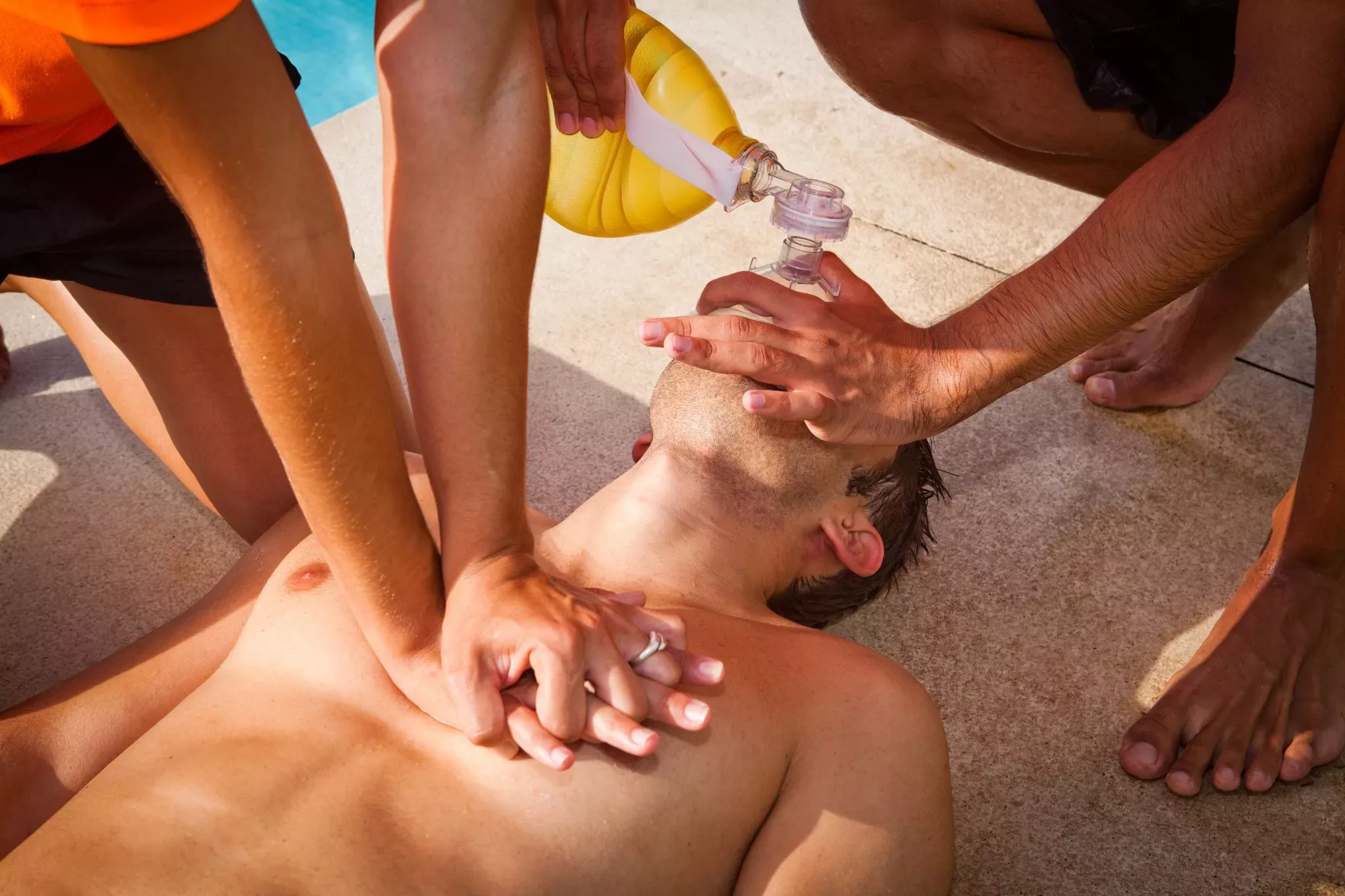
Created using Visme. An easy-to-use Infographic Maker.
Association of Ambulance Chief Executives (AACE), 2016. UK Ambulance Services Clinical Practice Guidelines 2016, Bridgwater: Class Professional Publishing
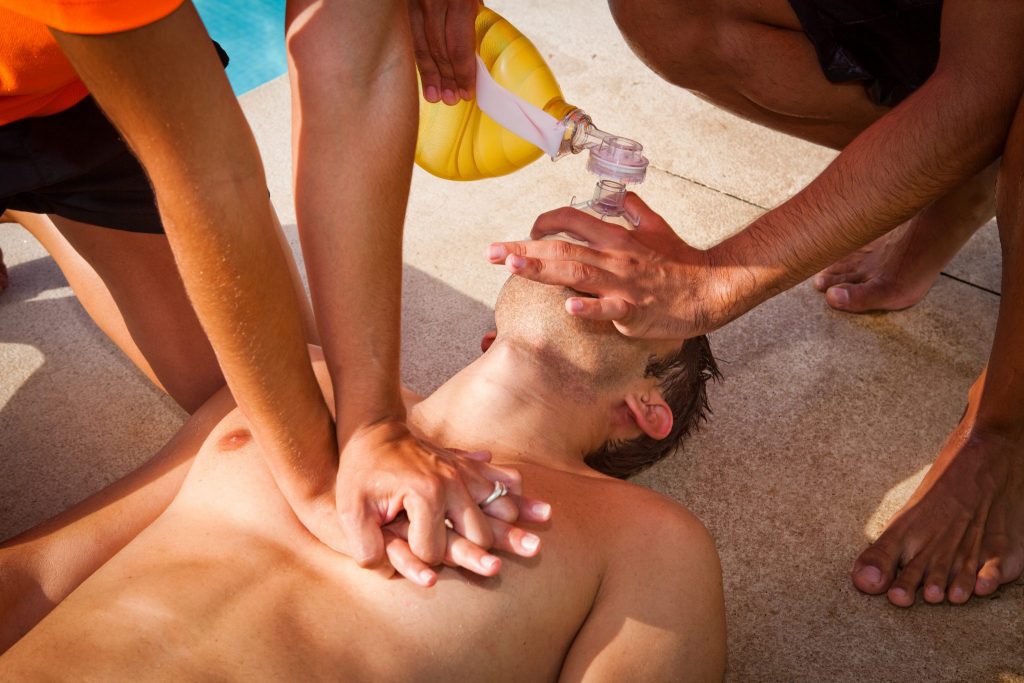


According to research by Khosraven et al (2015) one of the main disadvantages of an OP airway is that its length, shape & lack of an inflatable cuff may cause oxygen to leak, leading to less oxygen than we might hope for entering the patient’s lungs.