What is collaborative CPD? Well, it’s a way of tagging your crewmates/colleagues in specific CPD entries such as reflections on jobs, and then asking your crewmates/colleagues to answer some questions and provide some feedback on your communication and clinical management. You can then use this feedback as prompts to write – or expand – your reflective entries. Or you can export their feedback and add it to your portfolio as evidence of feedback. And your crewmates/colleagues can sync the shared CPD to their portfolios to evidence their own feedback or to prompt or expand on their own reflections. Watch the video for more:
Category: Short videos (5 mins or less)
-

Short Skills Video – What Happens When We Squeeze the BVM too Hard and Fast?
Full reference available at Article 999’s reference library here: https://airtable.com/appaQWBYHEs4Y6RjF/tblatVkrBMGBMdpRM/viwMSEJkOai9GwYS4/recFg1GuvEjKQZN9f?blocks=hide
-

How to size and insert an OP airway adjunct (insertion only)
This video demonstrates how to insert an OP airway adjunct to an adult patient. A full video, showing how to size & insert the adjunct, along with information about relevant anatomy, is available on our YouTube channel. For more videos like this, stay tuned to www.article999.co.uk as well as the YouTube, Facebook and Twitter pages.
This is the shorter version of the OPA video. For the long version, featuring the when, where and how of OP airway adjuncts, please click here.
Menu
0:08 disclaimer
0:25 Seen this video before? Skip to the main content
0:33 Sizing the OPA
0:38 Inserting the OPA
1:01 References
Disclaimer
All of the content published by Article 999 follows reputable guidelines and are referenced. This video has not been endorsed by any organisation, author or ambulance trust. You must read the full disclaimer available at www.article999.co.uk/about/ (disclaimer tab) before putting into place anything you read or watch here. Please also remember to check your local guidelines before practicing any of these skills.
Transcript
Remember hand hygiene, bare below the elbows, and gloves in real life! (AACE, 2016)
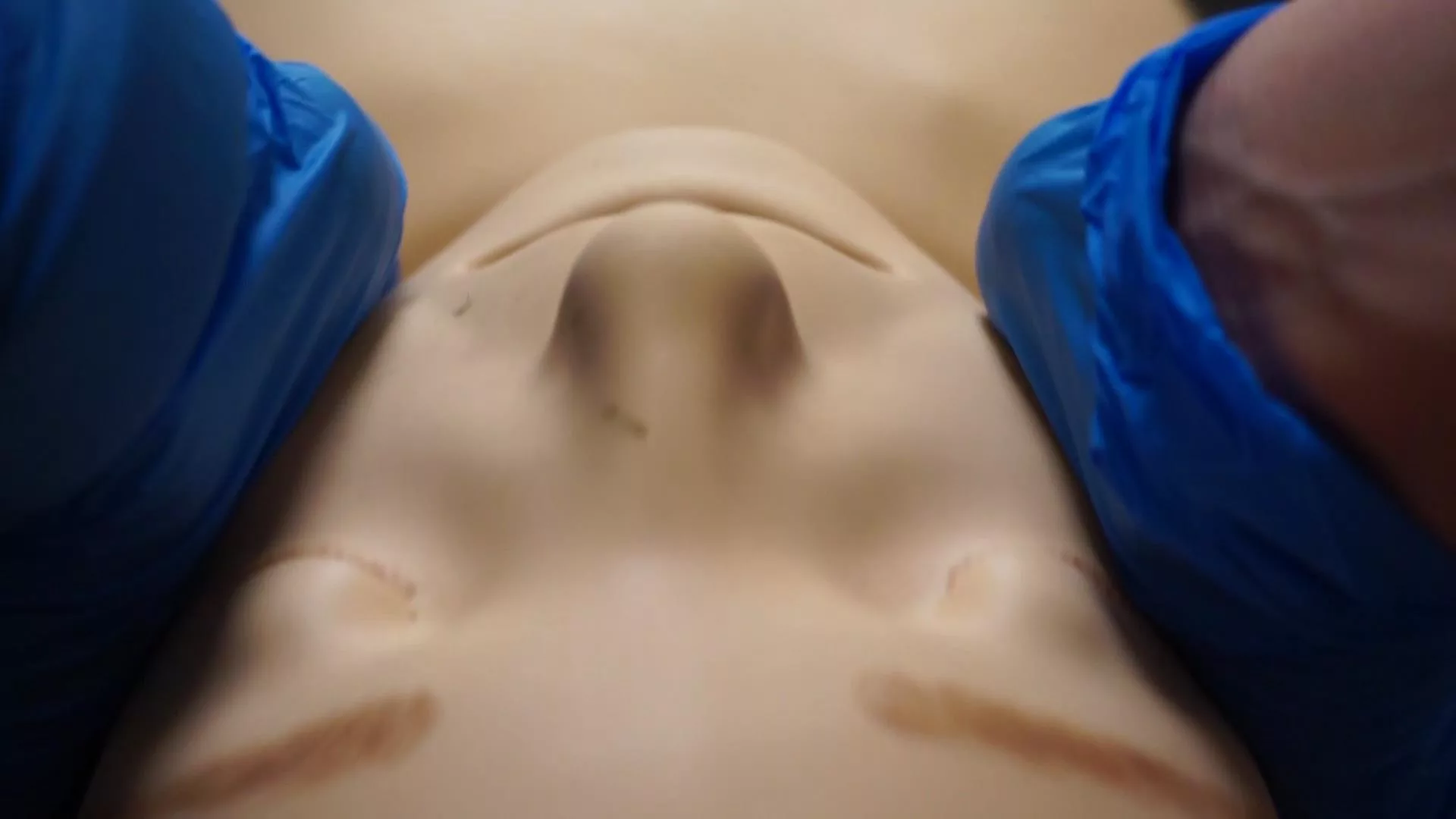
Having opened the airway using manual airway manouvres and checking it is clear of obstruction, and having already selected the appropriate airway adjunct and size, now insert the adjunct back to front (Pilbery & Lethbridge, 2016) with the bendy part, named ‘the body’ (Beattie, 2005), curved towards the patient’s upper lip and nose. Once the adjunct has reached the soft palate, rotate it 180 degrees and advance it (Pilbery & Lethbridge, 2016). It should now rest in the pharynx (Pilbery & Lethbridge, 2016).
Made by www.article999.co.uk
Full disclaimer available at website.
References
Beattie, S. 2005. Placing an oropharnygeal airway, Available Online: http://www.modernmedicine.com/modern-… (Accessed 18/05/17)
Pilbery, R. and Lethbridge, K. 2016. Ambulance Care Practice, Bridgwater: Class Professional Publishing
Music:
Dobroide, 2010. 20091229.ambulance.siren.wav. Available Online: https://freesound.org/people/dobroide… (Accessed 21/08/17)
Productiontrax.com
Images:
Article 999’s own or licenses purchased via Adobe Stock & Dreamstime
Final note.
Why is it so important to size the adjunct? Because ‘If the airway [device] is too long it may occlude the airway by […] displacing the epiglottis; if too short it will not separate the soft palate or tongue from the posterior wall of the pharnyx’
Gregory, P. & Mursell, I. 2010. ‘Airway management’ in Manual of Clinical Paramedic Procedures, Sussex: Blackwell Publishing, pp. 2-34

This post has been peer reviewed by at least one other individual. Let us know what you think in the comments below. -
I-Gel: When, How?
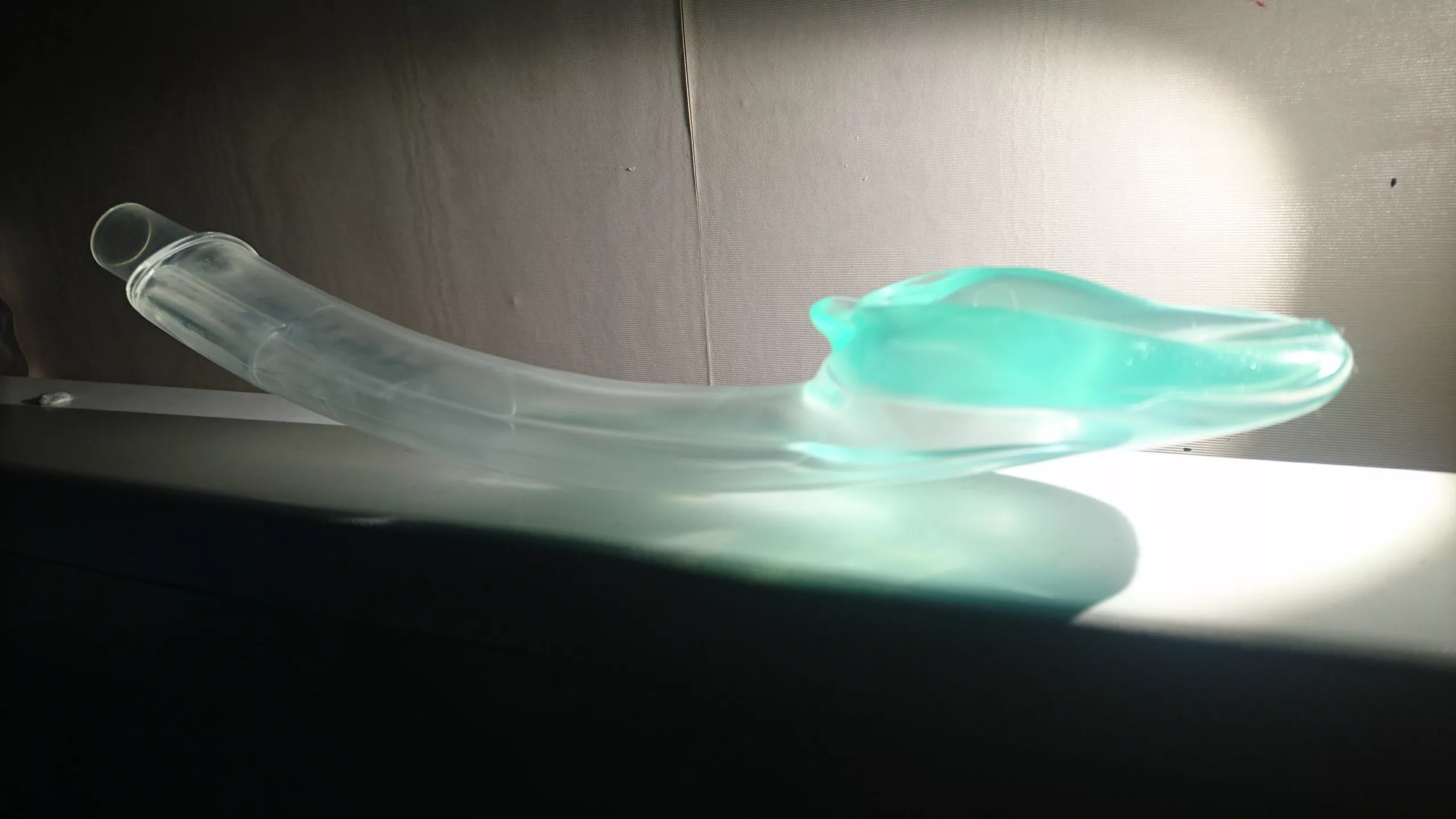
This video shows only the when and how of I-Gels. To view a longer video, which contains the why, what, when and how, click here.
This version has been created to enable those of you who want to refresh yourself on only the need to knows – the use of the i-gel – to do so quickly and easily.
This video has not been endorsed by any organisation, author or ambulance trust. You must refer to local guidelines and read Article 999’s full disclaimer, available at www.article999.co.uk/about/ (disclaimer tab), before putting into place anything you see or read here.
This video has been peer reviewed by 2 or more individuals. No drastic changes have been suggested, so improvements will be made to future posts.